
Why Choose Fashion Design After 12th?
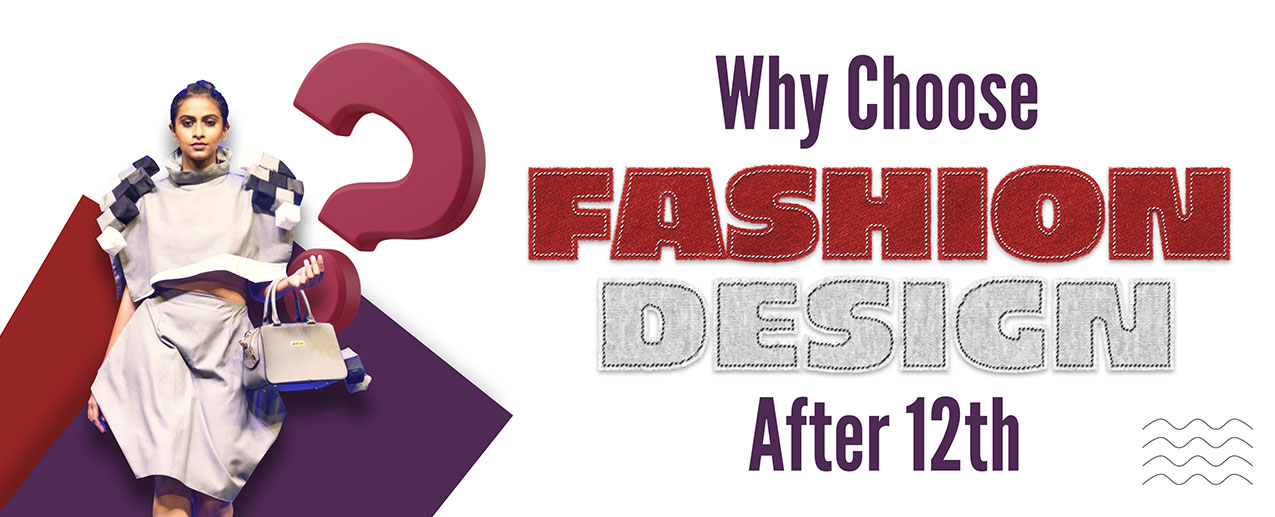
Fashion has become a way for people to express themselves through the fabrics they wear and the colors they choose. Fashion design is more than just an art for today's young people; it's a career that spans the globe.
If you’ve ever admired a designer collection, styled your own looks, or enjoyed sketching new ideas, then studying Fashion Design after 12th could be the best decision you make.
In India, the fashion industry is booming. According to reports, the domestic apparel market is expected to reach USD 100 billion by 2026, creating huge demand for creative professionals across fashion retail, styling, merchandising, and digital design.
If you're wondering, "Should I study fashion design after 12th grade?" here's your answer.
Why Choose Fashion Design After 12th?
1. It’s a Career Built on Creativity
Fashion design lets you make your ideas come to life. Every project you do, whether it's making a red-carpet gown, making streetwear that lasts, or picking out digital fashion for the metaverse, shows off your unique style and storytelling skills.
The fashion world needs this right now: young people who aren't afraid to speak their minds, have new ideas, and know what's cool.
2. Massive Career Opportunities in India and Abroad
India’s fashion ecosystem is expanding rapidly:
- Global brands are entering the Indian market.
- Homegrown labels are becoming international.
- Online fashion (Myntra, Ajio, Nykaa) needs skilled designers for digital collections.
Career roles include:
- Fashion Designer
- Fashion Illustrator / Stylist
- Textile Designer
- Merchandiser
- Fashion Technologist
- Visual Merchandiser / Brand Manager
- Sustainable Fashion Consultant
Students can choose between creative and business careers in India and abroad if they get the right education from a well-known school like ICAT College.
3. Blend of Creativity, Technology & Business
Modern fashion design is not limited to sketching clothes. You’ll also learn:
- Digital Fashion Tools like CLO 3D, Photoshop, and Illustrator
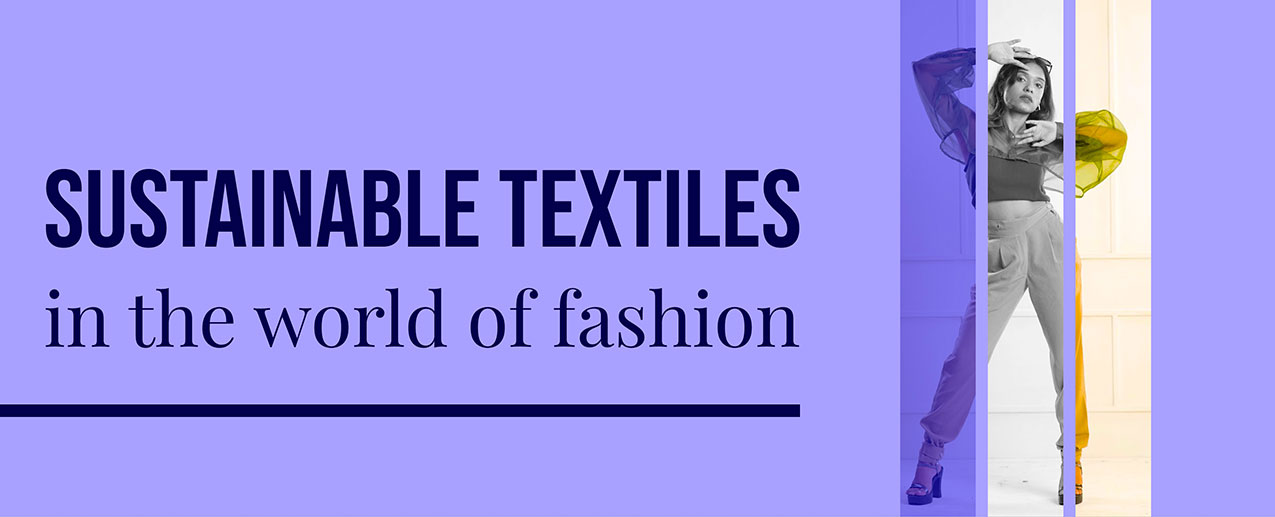
- Textile Science & Sustainable Fabrics
- Fashion Marketing & Merchandising
- Garment Construction & Draping Techniques
- Portfolio Development & Fashion Show Presentation
Design and technology together get you ready for jobs in Digital Fashion, E-commerce, and Virtual Styling, which will be big in 2026.
4. Learn from Real-World Projects
At institutes like ICAT College, fashion design students don’t just study trends — they create them.
Through industry projects, brand collaborations, and fashion show showcases, students learn to:
- Research trends and develop collections
- Design for real clients and audiences
- Work with fabrics, patterns, and sustainable materials
- Present their work professionally at fashion weeks and exhibitions
This hands-on experience builds confidence, communication, and a strong portfolio.
5. Fashion is Everywhere
Fashion design doesn’t end on the runway. It’s connected to multiple industries:
- Film and Media - Costume and character styling
- Retail - Brand design, merchandising, visual displays
- Technology - Virtual fashion, AR/VR try-ons, digital modeling
- Sustainability - Eco-fashion, upcycling, ethical manufacturing
This variety means you can choose your niche and grow in it.
6. A Profession with Global Reach
Indian designers like Sabyasachi, Gaurav Gupta, and Manish Arora have taken Indian aesthetics global. Similarly, new-age designers from institutes like ICAT are showcasing in digital fashion shows and online marketplaces.
With social media platforms like Instagram, Pinterest, and Behance, young designers today can showcase their work globally without needing a big label behind them.
Skills You’ll Develop in a Fashion Design Course
These are the core creative and technical skills that transform a Fashion Design student into an industry-ready fashion professional.
| Category | Key Skills |
|---|---|
| Creative & Design | Sketching, illustration, concept development, draping |
| Technical | Pattern making, garment construction, digital fashion software |
| Analytical | Trend forecasting, consumer behaviour, market study |
| Communication | Portfolio presentation, styling, branding |
| Professional | Project management, teamwork, client communication |
Each of these skills helps students evolve from learners to confident professionals ready for the fashion industry.
Career Growth and Salary Outlook
Fashion design graduates can find opportunities in:
- Fashion houses and boutiques
- E-commerce and retail brands
- Media and entertainment
- Sustainable and ethical fashion startups
- Independent design labels
Average starting salary: ₹3 – 6 L PA
With experience and a strong portfolio, designers can earn ₹10 – 20 L PA or build their own brand.
Many ICAT alumni also become entrepreneurs, launching independent clothing lines and online stores.
Why Study Fashion Design at ICAT College
ICAT College offers one of India’s most industry-relevant Fashion Design programs, combining art, technology, and business.
Here’s what sets ICAT College apart for Fashion Design Education:
- Creative curriculum updated every year to reflect the latest fashion trends and digital tools.
- Hands-on learning where students design collections, conduct photoshoots, and exhibit their work.
- Guidance from experienced designers, stylists, and industry professionals.
- Focus on sustainability through lessons in eco-fashion and ethical production.
- Career support with portfolio reviews, internships, and placement opportunities.
Explore more about creative opportunities in Fashion Design and other creative industries.
Final Thoughts
Choosing to study Fashion Design after 12th is choosing to shape culture, identity, and innovation. In 2026, as the boundaries between design, technology, and sustainability become increasingly blurred, the world will require innovative thinkers capable of transforming ideas into tangible wearable experiences.
Your journey starts now if you love being creative, are interested in trends, and are ready to show who you are through design.