
Explore the making of SuperCritical, a time-loop puzzle game built in Unreal Engine. Learn about gameplay design, quantum mechanics, storytelling, and level design in this detailed case study.
There is a unique kind of intensity that comes with a final-year project. For our team, The Live Wires, that intensity took the form of SuperCritical—a fast-paced, time-loop puzzle game built around urgency, discovery, and psychological tension.
What began as an idea soon became a deep exploration into game design, storytelling, and real-time systems, pushing both our creativity and technical limits.
Anatomy of an Anomaly: What is SuperCritical?
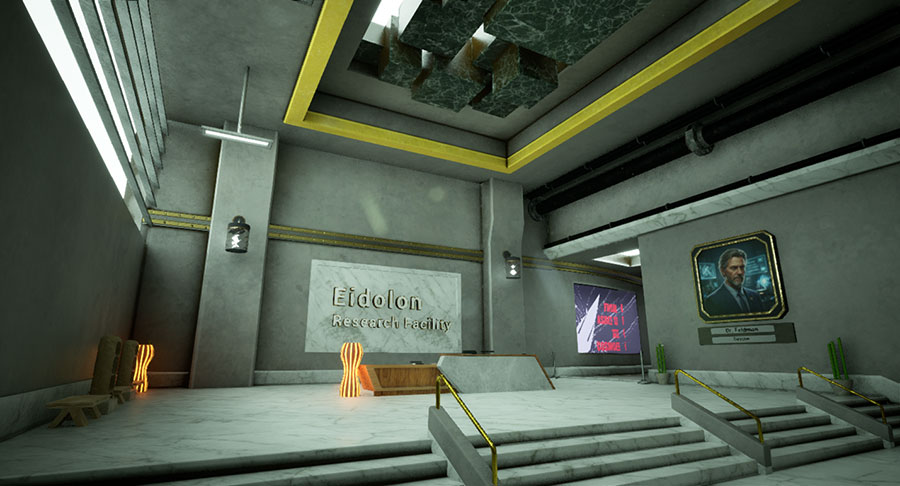
The primary objective for the player was simple on paper but stressful in practice: understand the mysteries of the Eidolon Research Facility before the inevitable core explosion happens.
| Key Feature | Description |
|---|---|
| The Loop | You have exactly 5 minutes (originally 10 in early drafts) to solve the mystery. |
| Genre | A First-Person Storytelling Roguelike Puzzle game. |
| The Hook | Learning is your only permanent currency. Knowledge carries over between resets. |
| Setting | The Xenarium Reactor—a place where energy-matter conversion has gone horribly wrong. |
Inspired by the concept of cause and effect (Butterfly Effect), every small action can lead to different outcomes.
Narrative Design: The Scientist's Burden
Rather than relying on cutscenes, the story unfolds through environmental storytelling:
- Scattered research logs
- Coffee-stained notes
- Personal artifacts triggering holographic memories
The emotional core lies in a scientist trapped in his own creation where the real conflict is not survival, but accepting inevitability.
Technical Innovation: Camera & Quantum Mechanics
One of the most defining gameplay tools in SuperCritical is the camera, activated with the 'C' key.
The camera served two vital functions:
- Reveal Hidden Elements: Certain platforms and items are hidden from the naked eye but appear when viewed through the lens.
- Stabilize Quantum Objects: Based on "observer effects," Quantum Objects move or teleport when you aren't looking at them. Taking a picture "fixes" them in space, allowing you to solve puzzles.
Implementation
Built using Unreal Engine and Blueprint scripting:
- Raycasting (line traces) detects objects
- State changes trigger teleportation or stabilization
- Camera interaction locks objects in place
This system added both technical complexity and gameplay depth.
Design Development: From Whitebox to Brutalist Reality
The level design process began in Autodesk Maya using whiteboxing techniques.
Design Goals
- Balance scale with the 5-minute timer
- Maintain player tension and flow
- Ensure exploration feels meaningful
Visual Style
- Retro-futurist geometric minimalism
- Concrete, marble, and analog tech textures
- Brutalist architectural inspiration

The most important visual element was the World Decay System. As the timer nears zero:
- Niagara particle systems create frantic sparks and explosions.
- Xenerium Crystals (luminescent purple) aggressively grow out of the walls, physically blocking paths.
- Visual distortions like chromatic aberration and film grain intensify.
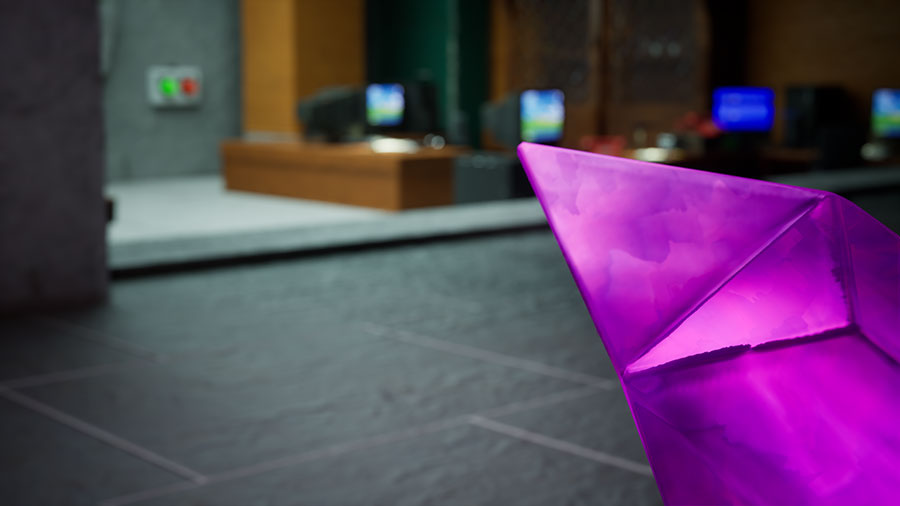
Figure: Xenarium Crystals in the world
The Gameplay Loop: Learning as Progression
The core loop: Explore -> Observe/Capture -> Interact -> Reset.
When the reactor goes supercritical, time resets. But the player carries the knowledge of puzzle solutions and hidden pathways into the next loop. I even added a "Temporal Insight" mechanic where faint echoes of past actions appear to guide you if you're struggling.
| Puzzle Type | Purpose | Frequency |
|---|---|---|
| Type 1 | Tutorial/Acquaintance tasks. | Common |
| Type 2 | Backstory & teaching new mechanics. | Common |
| Type 3 | Main story progression; tests world knowledge. | Moderate |
| Type 4 | Mandatory linear story beats to finish the run. | Least Common |
This innovative approach reflects the experiential learning from Game Design Course at ICAT College of Design & Media, where gameplay is designed around interaction and immersion.
Learning & Development Journey
This project was developed as part of a structured learning experience at ICAT College of Design & Media through the Game Design and Development program. We gained hands-on exposure to:
- Real-time rendering workflows
- Game mechanics design
- Narrative-driven development
Presenting SuperCritical at the ICAT College Graduation Showcase at Mantri Square Mall was a truly rewarding experience. Showcasing to a wider audience and receiving positive feedback from faculty, industry professionals, and visitors reinforced the strength of its concept and its ability to engage players both intellectually and emotionally. The experience not only validated the design approach but also marked an important milestone in my journey as a game designer.
Conclusion
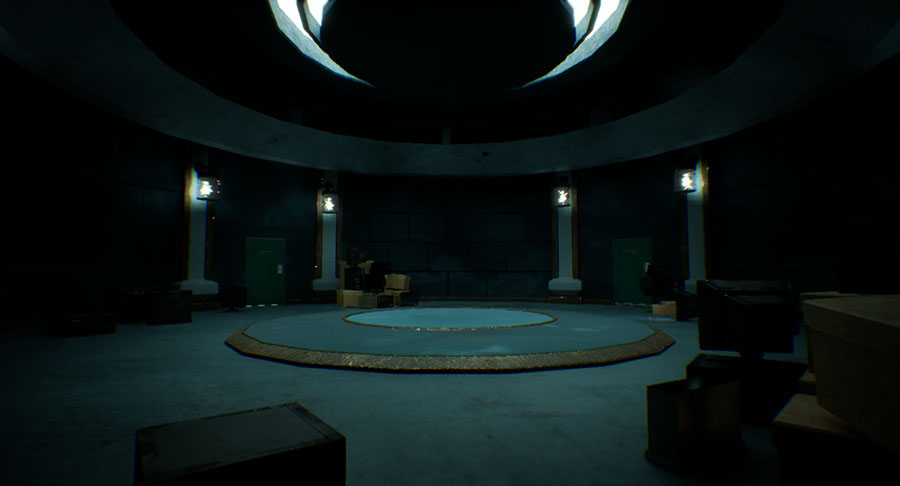
By the end of development, the project evolved from simple blockouts into a fully immersive sci-fi environment featuring a ritualistic reactor chamber, dynamic lighting, and layered storytelling.
SuperCritical taught me one crucial lesson:
The best puzzles are not just mechanical; they are emotional.
Designing this experience helped me understand how gameplay, story, and systems can work together to create something meaningful and memorable.
Explore more student project blogs to see how innovative ideas are brought to life.