
Screens displaying fantasy landscapes, students discussing ideas for game characters, sketches scattered across desks, and animated conversations about gameplay mechanics – this is what one is likely to witness inside a Game Art and Design classroom. It is a space where imagination and technology come together continuously, allowing students to transform ideas gradually into visual and interactive experiences.
Unlike conventional classroom environments that focus heavily on theory-based learning, Game Art and Design classrooms are usually practical, collaborative, and project-oriented. Students do not simply learn software or drawing techniques. They get a strong grip on how visual storytelling works in the world of games and digital media.
For students who are interested in gaming, illustration, animation, storytelling, films, or digital art, the classroom experience can often feel exciting as well as creatively challenging. Every project introduces a new problem to solve, whether it involves creating a fantasy environment, designing a character, or developing visual assets for a game world.
Learning the Fundamentals
A large part of the learning process begins with understanding the fundamentals of visual design. Before students start creating detailed game environments or stylised characters, they first learn concepts such as composition, perspective drawing, colour theory, anatomy, lighting, and visual balance. These fundamentals help students understand how visuals influence player experience and interaction within a game.
For instance, while designing a game character, students are trained to think beyond appearance alone. They learn how costume, posture, facial expressions, colours, and shapes can communicate personality traits and emotions to the player. Similarly, while designing environments, they learn how lighting, textures, and scale contribute to mood and atmosphere.
Over time, students begin to realise that game art is not only about creating visually attractive images. It is also about designing experiences that players can emotionally connect with.
Creating Interactive Experiences
One of the most engaging aspects of a Game Art and Design classroom is the opportunity to build original worlds and concepts. Students constantly experiment with different styles ranging from fantasy and science fiction to stylised and realistic art forms. Classroom projects may involve creating character sheets, designing props, building environment concepts, developing level layouts, or experimenting with textures and lighting.
As students progress further, they are also introduced to industry-relevant software and tools used in professional production pipelines. This may include digital illustration software, 3D modelling applications, sculpting tools, texturing software, animation workflows, and game engines. Since the learning process is largely hands-on, students improve gradually through regular practice, experimentation, and project execution.
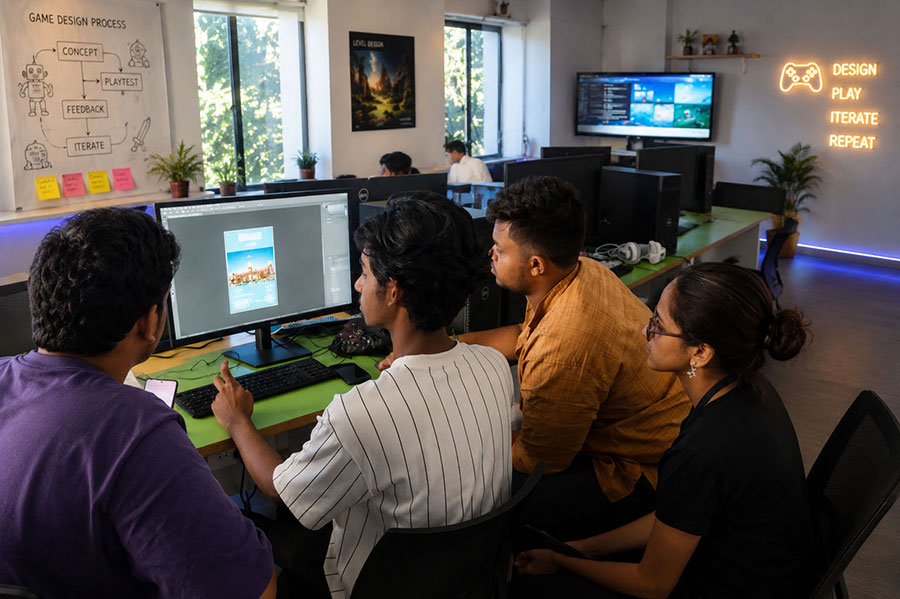
Figure 1: Hands-on lab sessions help students strengthen both technical and creative skills in game design
Lab sessions form an important part of the learning curve with students spending long hours experimenting with layouts, digital artwork, interface elements, character concepts, and visual assets using professional software tools. These sessions gradually help students improve their technical abilities while also strengthening their creative thinking and design sensibilities.
Mistakes and revisions also become an important part of classroom learning. Students are encouraged to test ideas repeatedly, receive feedback, and refine their work continuously rather than expecting perfection in the first attempt. This helps them develop patience, adaptability, and creative problem-solving skills over time.
Team-Based Learning
Another important aspect of Game Art and Design education is collaboration. Game development in the professional world rarely happens individually, and classrooms often reflect this collaborative environment.
Students frequently work in teams where artists, designers, animators, and storytellers contribute together towards a common project. Through these collaborative assignments, students learn how to communicate ideas clearly, participate in discussions, manage deadlines, and adapt to production workflows. They also become more comfortable receiving constructive criticism and analysing design decisions critically.
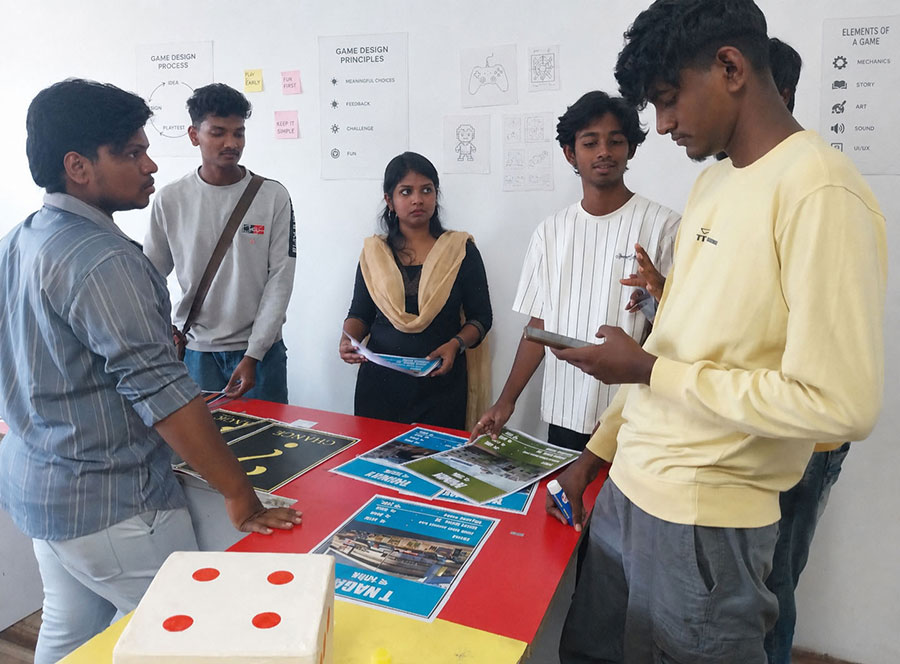
Figure 2. Discussions and feedback sessions help students refine ideas and strengthen creative thinking
Team-based activities often become one of the most engaging parts of a Game Art and Design classroom. Students discuss ideas, analyse visual concepts, and work together to solve creative challenges related to gameplay and storytelling. Faculty members also guide students through regular feedback and critique sessions, helping them understand the strengths and weaknesses of their work and encouraging them to refine their creative process continuously. During these discussions, students present their work, explain their creative process, and understand how certain visual choices affect gameplay and storytelling. Such interactions gradually help students build confidence in presenting their ideas and improve their artistic thinking.
Beyond the Classroom
Apart from regular classroom activities, students are often exposed to workshops, game jams, industry interactions, portfolio reviews, and live projects. These experiences encourage them to observe games more critically and understand how design, art, narrative, and player psychology work together within interactive media.
At institutions like the ICAT College of Design and Media, the emphasis on practical learning helps students gain exposure to the realities of the gaming and entertainment industry. Through continuous project-based learning and portfolio development, students gradually learn how professional workflows function while also discovering their own creative strengths.
Game Art and Design is not merely about creating games. It is about creating experiences, emotions, stories, and immersive worlds that stay with players long after the screen is switched off. And for many aspiring artists and designers, the classroom becomes the first place where imagination slowly begins to take shape in the real world.