
How BIM Is Revolutionizing Interior Design Projects
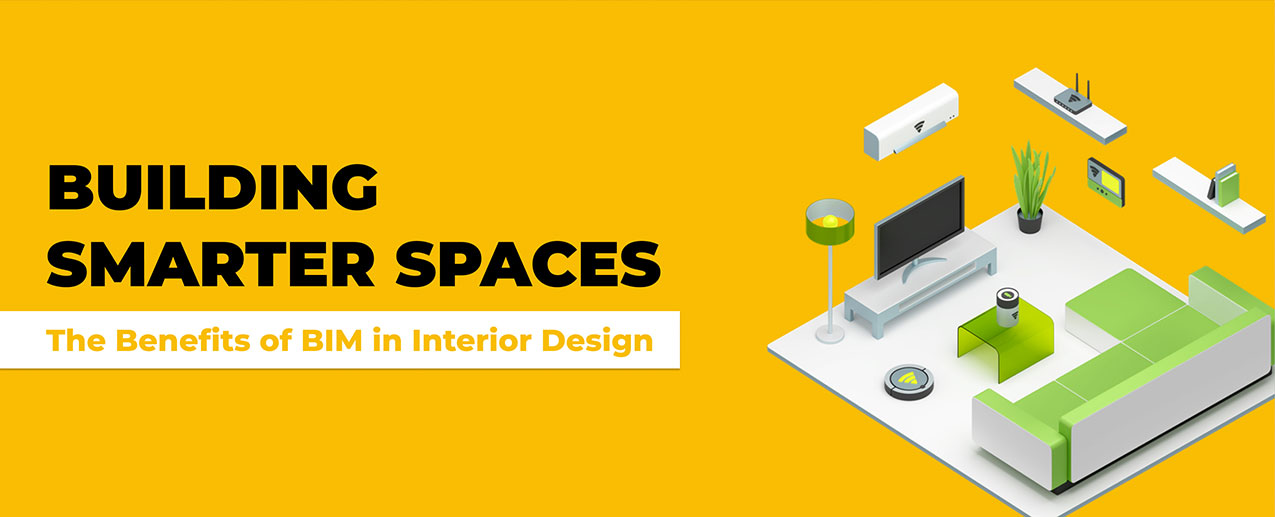
Technology has transformed how interior design is created and executed. One of the biggest game-changers today is Building Information Modelling (BIM). It helps designers plan, visualize and manage every part of a project on a digital platform. This means fewer errors, smoother teamwork and faster results.
What Is BIM in Interior Design
BIM (Building Information Modelling) is a digital process that brings design and construction together in one system. It stores details like layout, materials, lighting and finishes in a single platform. With this, interior designers can easily test ideas, share updates and make changes whenever needed.
Why Designers Love Using BIM
BIM makes the entire design process more organized and efficient. Here’s how it helps:
- Clarity in design: It allows designers to visualize how every element fits together in 3D.
- Better teamwork: Architects, engineers and designers can collaborate on the same project seamlessly.
- Less rework: Changes are automatically updated across all files, saving time and effort.
- Smarter decisions: Designers can review costs, materials and performance before anything is built.
BIM helps turn creative ideas into practical, well-planned designs.
How It Helps Design Firms
Many interior design firms are now adopting BIM to improve their workflow. It allows them to manage multiple projects efficiently, meet deadlines faster and communicate clearly with clients. Even smaller firms find BIM useful because it keeps their work organized and easier to handle.
The Challenges Along the Way
Like any new technology, learning BIM requires time and investment. Software costs and the need for proper training are common challenges. However, once designers become familiar with it, they quickly realize how much more efficient their process becomes. With consistent use, skills improve and productivity increases.
The Future of Design Is Digital
Interior design is evolving with technology, becoming more digital and data-driven. BIM is not just a tool but a complete system that combines creativity, accuracy and innovation. Designers who master BIM are better equipped to meet the demands of modern projects and stay ahead in the evolving design landscape.
BIM represents the evolution of design thinking. It bridges imagination with technology, helping designers bring spaces to life more intelligently and efficiently. For interior designers, adopting BIM isn’t just an upgrade; it’s the next step toward a smarter, more connected design world.