
Why Interior Designers Should Embrace Smart Living in 2026
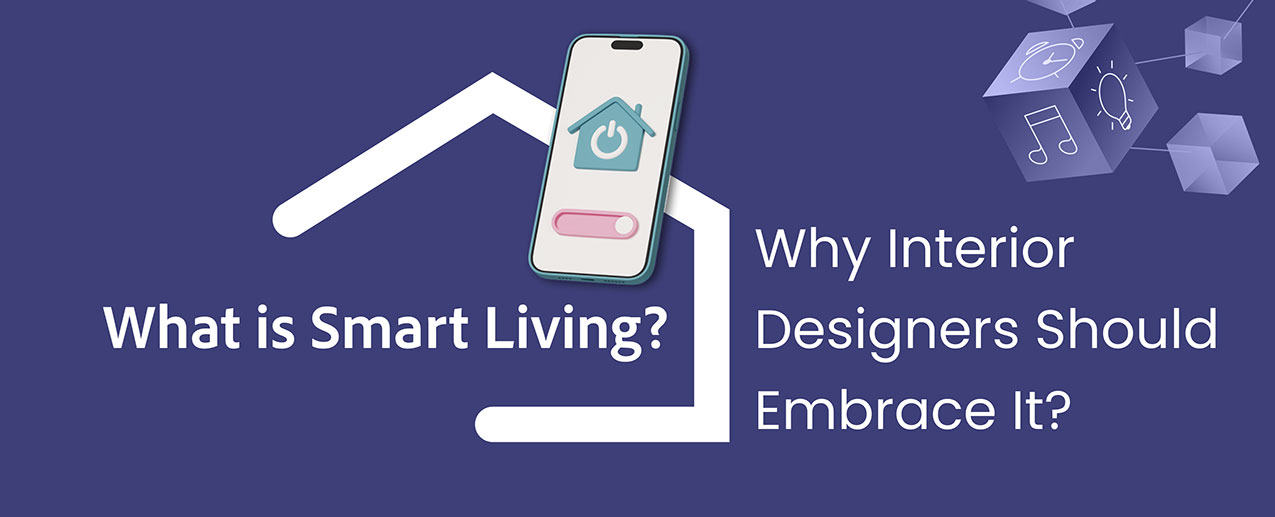
Smart living is no longer a futuristic upgrade. In 2026, it has become a defining pillar of interior design, shaping how people use, experience and interact with their homes. For interior designers, understanding smart-living systems is no longer optional - it is essential for creating spaces that are functional, efficient and centred on wellbeing.
1. The Rise of Unified Home Ecosystems
Smart homes have transitioned from isolated devices to fully integrated ecosystems. Platforms like Google Home, Alexa and Apple HomeKit allow lighting, temperature, blinds and appliances to work together seamlessly.
For interior designers in 2026, this means designing spaces that support hidden wiring, cohesive device placement and clutter-free layouts that enhance automation and user comfort.
2. Intelligent Lighting for Mood and Energy Efficiency
Adaptive lighting has become a major expectation in modern homes. These LED systems adjust brightness and colour temperature automatically based on activity, time of day and natural light.
Designers who understand tunable lighting, motion sensors and circadian lighting principles can create emotionally balanced spaces that promote productivity, relaxation and energy savings.
3. Space-Saving Smart Furniture
With urban spaces becoming more compact, 2026 sees a surge in demand for smart, multifunctional furniture.
Interior designers are planning for innovations such as:
- Motorized beds that convert into desks
- Fold-out kitchen islands and counters
- Automatically expanding dining tables
- Modular sofas with charging and storage integrated
This helps maximize utility without compromising aesthetics - a key requirement in modern small-home design.
4. Sensor-Based Safety and Wellness
Wellness-driven interiors continue to dominate in 2026. Homes now include air-quality monitors, humidity sensors, leak detectors and motion-based night lighting as standard safety features.
Designers who integrate these systems effectively can create homes that actively improve user health, especially for families with elders or infants.
5. Energy Management and Sustainability
Sustainability expectations have increased sharply. Smart thermostats, AI-powered energy analytics, solar dashboards and automated climate-control systems help homeowners reduce energy waste.
Interior designers must understand these systems to plan optimal device placement, wiring routes and accessible control points.
Why Smart Living Matters to Interior Designers in 2026
Smart-living expertise empowers designers to:
- Stay competitive in a rapidly evolving industry
- Combine aesthetics with intelligence and convenience
- Deliver future-ready homes with long-term value
- Enhance user wellbeing while integrating sustainability
In 2026, interior designers are expected to bridge creativity with technology, delivering homes that adapt, respond and evolve with their users.
How ICAT Prepares Future Interior Designers
ICAT College's Interior Design curriculum aligns with the technological expectations of 2026. Students learn:
- How smart systems influence space planning
- How to integrate lighting automation, IoT devices and wellness tech
- How to design for sustainability using smart energy tools
- How to merge functionality with strong visual design principles
Through hands-on projects and industry-relevant training, ICAT College equips students to create intelligent, human-centered living spaces that meet the needs of a tech-driven future.