
Beyond the Screen: How AI is Reshaping Film
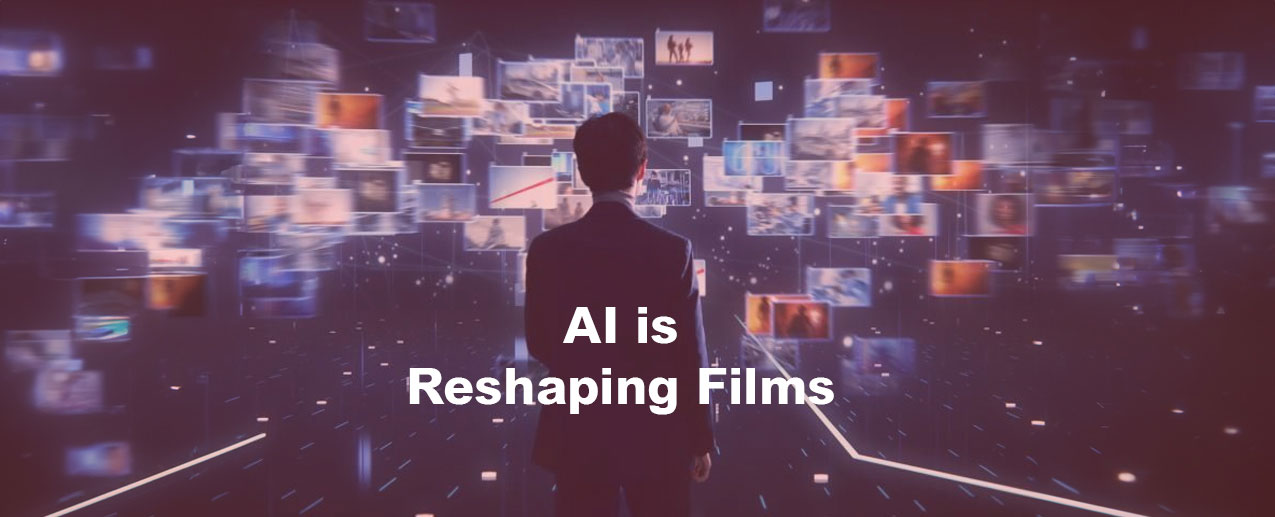
One of the most significant developments in contemporary film studies is the incorporation of Artificial Intelligence (AI). While AI is most commonly associated with visual effects and post-production, its influence now extends across nearly every stage of the filmmaking process. This expansion challenges long-standing notions of creativity, originality, and authorship in cinema.
AI technologies are increasingly being applied to script analysis, box office prediction, and even the generation of entire screenplays. These capabilities raise critical questions about the role of the human writer: Can an algorithm truly capture the emotional depth, nuance, and cultural resonance that a human storyteller brings to the screen? In addition, AI-powered tools are now widely used to de-age actors, create hyper-realistic digital doubles, and seamlessly blend computer-generated imagery with live action. As a result, the boundary between what is "real" and what is "virtual" in cinema is becoming increasingly blurred.
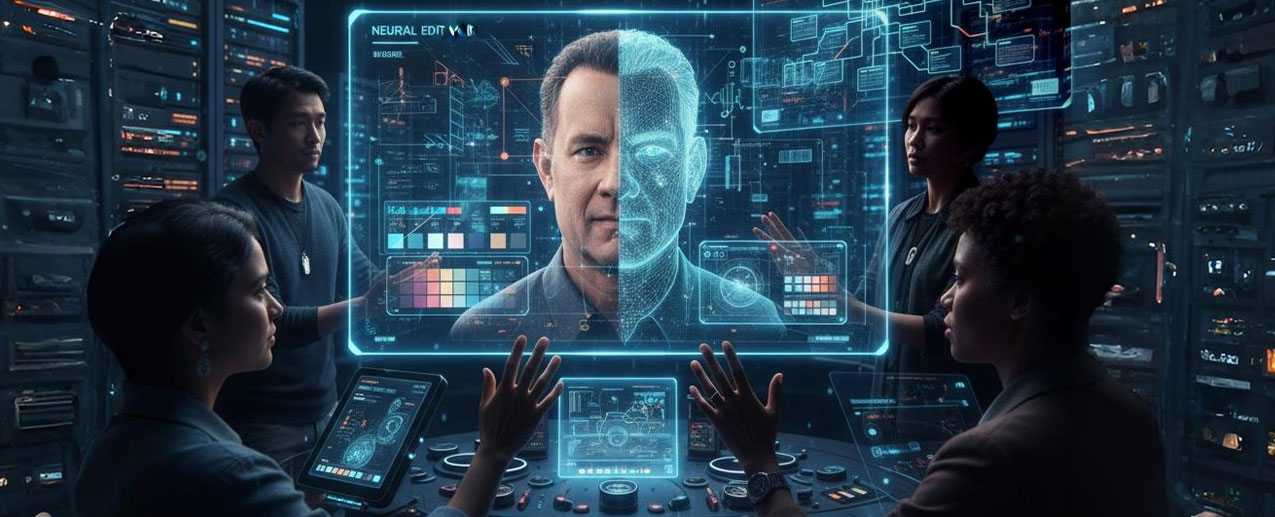
Personalized Cinema in the Age of AI
The most important thing that AI might do is change the way people watch movies in the future.
Personalized cinema, in which AI makes a special version of a movie based on the tastes of each viewer, is no longer a sci-fi idea. This change from a shared, group experience to a personal, one-on-one one could completely change how we think about what a movie is and how it works as a cultural artifact. The rise of AI makes us think about the role of people in movies and the audience in a world mediated by technology.
The Rise of the Auteur-Streamer in the Streaming Era
Parallel to the technological disruptions brought by AI is another defining phenomenon in modern cinema: the emergence of the auteur-streamer. This term describes a filmmaker who maintains a strong, distinctive artistic vision while strategically using the opportunities afforded by streaming platforms to craft a cohesive body of work.
Unlike the traditional studio system, which often prioritizes commercial viability, streaming services like Netflix, Hulu, and Amazon Prime have provided a space for directors to experiment with long-form storytelling and visual aesthetics, pushing the boundaries of what a "film" can be.
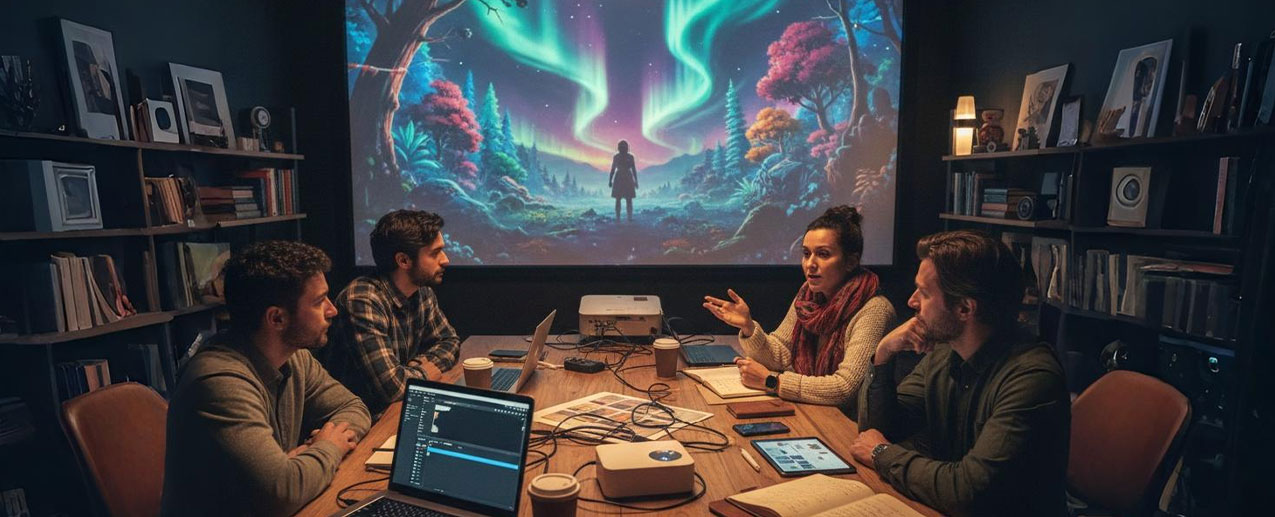
Notable examples include Bong Joon-ho with Okja (2017) and Alfonso Cuarón with Roma (2018). Both works illustrate how streaming services can support bold, personal storytelling that achieves both critical acclaim and international recognition.
This shift has democratized filmmaking by amplifying diverse voices and reducing the barriers to distribution. It has also transformed viewing practices: the binge-watching model allows audiences to engage with a director’s work in a continuous and immersive way, creating a hybrid experience that blurs the boundaries between cinema and serialized television.
The auteur-streamer thus represents a compelling evolution of the director’s role in the digital age. By navigating the freedoms and limitations of streaming platforms, these filmmakers are redefining what cinema can be while preserving the essence of individual artistic authorship.
Final Thoughts
The contemporary film landscape is being reshaped on multiple fronts. AI challenges the very definition of authorship and originality, while streaming nurtures a new generation of auteur voices who can experiment beyond the constraints of traditional studios. Together, these shifts signal a profound redefinition of cinema-not merely as an art form but as a cultural experience.
Examples like Okja and Roma, which we’ve seen earlier, highlight how directors combine personal vision with technical mastery to craft stories that resonate globally.
At ICAT College, the Bachelor’s Degree in Visual Media equips students with the skills to understand these nuances of filmmaking-from storytelling and cinematography to post-production techniques. By engaging with such works, students learn how creative choices shape audience experience, preparing them to create meaningful and impactful films of their own.
Want to explore career opportunities that design degrees like visual media provides?