
Turning Ideas into Animated Reality
Animation is more than just visuals; it's about storytelling that connects with audiences on an emotional level. As a final-year student pursuing my Bachelor of Visual Arts in Animation and Game Art at ICAT College of Design and Media, I set out to create a project that reflects both my technical skills and creative vision.
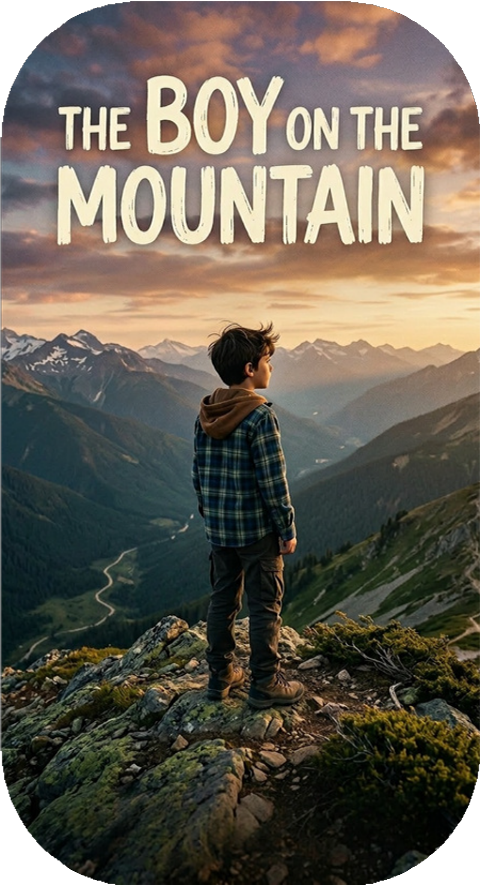
"The Boy on the Mountain" is a 3D animated short film that explores themes of courage, responsibility, and personal growth through a unique concept of time manipulation. This project became a platform for me to explore the complete animation pipeline from concept development to final rendering, while refining my storytelling abilities.
Story Development & Concept Exploration
The Boy on the Mountain, Set in a peaceful mountain village, focuses on Miguel, a young boy with the rare ability to rewind time by ten seconds once per day. While the concept is fantastical, the core of the story is deeply human focusing on courage, responsibility, and personal growth.
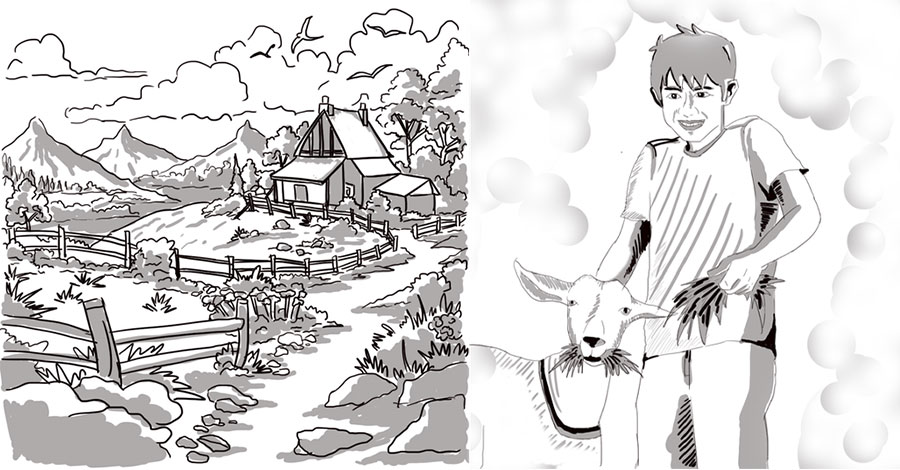
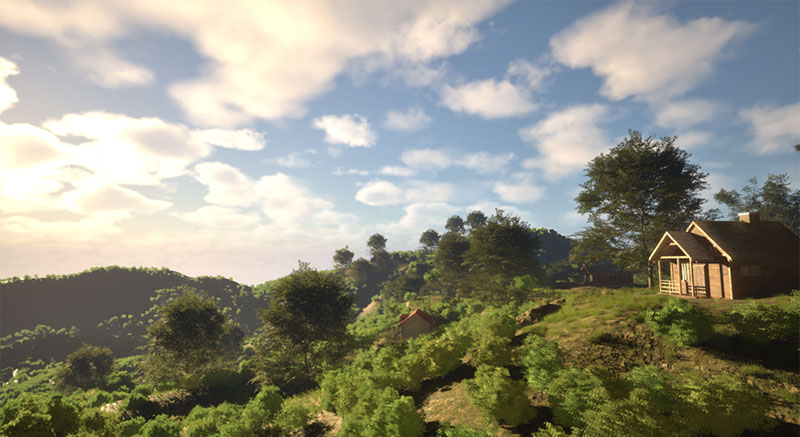
The story revolves around Miguel, his younger sister Sara, and their grandmother. Miguel initially uses his power to correct small mistakes, guided by his grandmother's wisdom.
However, the narrative reaches its emotional peak when Sara falls from a cliff during a snowstorm. When Miguel's power fails him in this critical moment, he must rely on his own courage to act.
This turning point reinforces the central message: true strength comes not from changing the past, but from facing challenges in the present.
Character Design: Bringing Personalities to Life
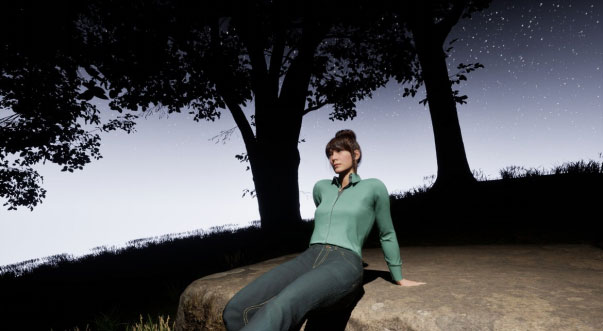
Characters were sculpted in ZBrush and retopologized in Autodesk Maya to create animation-ready models with detailed features and clean topology.
- Miguel: Represents curiosity and growth, designed for expressive emotional transitions
- Sara: Embodies innocence and playfulness through lively movements
- Grandmother: Acts as a symbol of wisdom and emotional grounding
Texturing & Visual Realism in 3D Animation
To enhance realism, I used Substance Painter to create detailed textures for characters and environments. Skin tones, clothing details, and environmental effects like snow and dirt were carefully crafted. By using maps such as albedo, roughness, and normal maps, I ensured that all elements interacted naturally with lighting, creating a believable visual experience.
Rigging & Character Performance
For animation, I used Unreal Engine's MetaHuman rigging system, enabling natural movement and detailed facial expressions. This allowed characters to perform a wide range of actions, from subtle emotional moments to high-intensity sequences like the cliff rescue.
Environment Design: Building an Immersive World
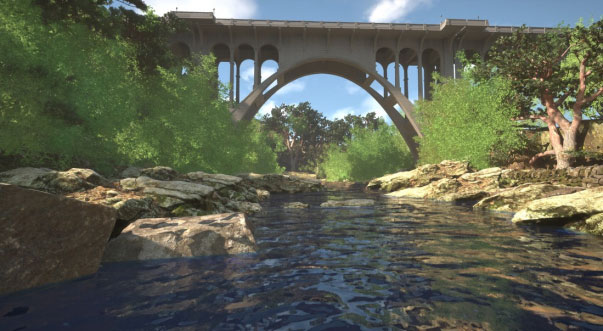
The mountain setting was essential in shaping the mood of the story. Using Autodesk Maya and Unreal Engine, I created a detailed environment that included:
- Snow-covered village landscapes
- Mountain paths and cliffside areas
- Dynamic snowstorm sequences
The snowstorm scene was particularly important, as it added tension and emotional intensity to the narrative.
Animation & Cinematic Techniques
Animation is where the story truly comes to life. I focused on creating realistic movements, especially in critical scenes like running, slipping, and the rescue sequence.
- Close-ups captured emotional depth
- Wide shots established environmental scale
- Dynamic camera movements enhanced tension
This cinematic approach transformed the project into an immersive visual experience.
Lighting, Rendering & Real-Time Workflow
Lighting was used strategically to define mood and atmosphere. With Unreal Engine's real-time rendering capabilities, I was able to create both calm daytime scenes and intense storm conditions. Volumetric lighting, fog, and particle effects such as snow added depth and realism. Real-time rendering also allowed for faster iteration and high-quality output.
Post-Production & Sound Design
In the final stage, I enhanced the animation through color grading to improve visual tone and emotional impact.
Sound design added another layer of immersion. Effects like footsteps in snow, wind ambience, and background music were carefully integrated to support the narrative and elevate key moments.
Learning Experience & Growth as an Animator
This project was a transformative experience that helped me understand how storytelling and technical execution must work together seamlessly.
Feedback from mentors and peers played a crucial role in refining both the visuals and narrative. Presenting the project at the ICAT Graduation Showcase provided valuable insights into how audiences perceive pacing, emotion, and storytelling.
Conclusion: From Student Project to Professional Vision
"The Boy on the Mountain" is more than just a graduation project—it represents my growth as an animator and storyteller. It reflects my ability to combine technical expertise with meaningful narratives that resonate with audiences.
As I move forward in my career, I aim to continue refining my skills and creating impactful animation experiences that connect on a deeper level.