
From Ordinary to Extraordinary
The transition from the mundane to the extraordinary is a cornerstone of classic storytelling, yet it remains one of the most challenging narrative arcs to execute with emotional resonance. The Crimson Blood explores this timeless Hero's Journey, blending elements of destiny, reincarnation, and identity. Developed as a student project at ICAT College of Design and Media, this story goes beyond fantasy.

1. The Night the Ordinary Ended: Establishing the Mundane
Every epic journey requires a grounded starting point. To make subsequent supernatural elements feel earned, the narrative begins in the realm of the everyday.
A Simple Life Before the Storm
Our protagonist is an eighteen-year-old delivery boy—someone often unnoticed, yet essential to daily life.
- The Routine: His life revolves around long working hours and low earnings.
- The Ambition: Like many young people, he has dreams but lacks the time and energy to chase them.
- The Setting: On a silent night where the world feels suspended in a breath, he rides through empty streets to complete his final delivery.
This baseline of normalcy is crucial. By establishing his life as "simple," the subsequent shift into a world of wizards and portals carries a more profound psychological impact on both the character and the audience.

2. The Catalyst: Nature as a Narrative Pivot
In storytelling, weather often signals change. In The Crimson Blood, a sudden meteorological shift acts as the threshold between the delivery boy's old life and his new destiny.
When the Rain Changed Everything
The transition is not subtle. What begins as a routine night is interrupted by a sudden, relentless downpour that penetrates his lack of preparation.
- The Conflict: Without a raincoat and far from familiar territory, the boy is forced to find safety.
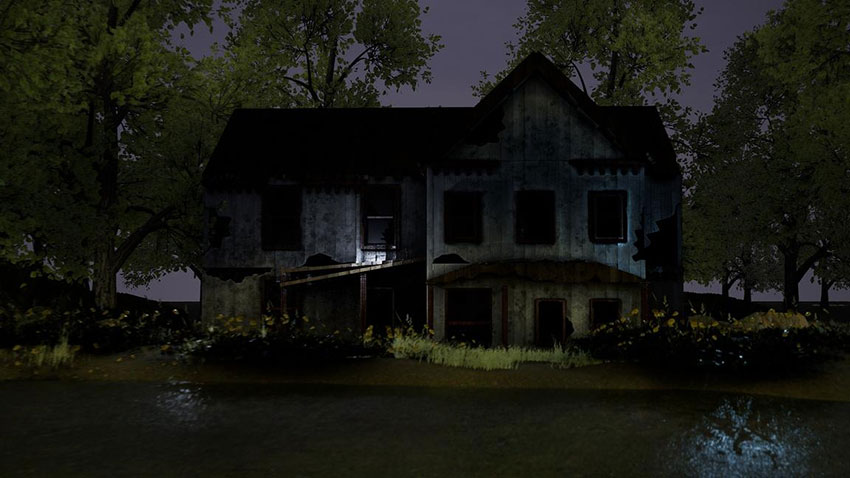
- The Sanctuary: He discovers an abandoned building with broken windows that "stare like hollow eyes" into the storm.
- The Choice: With no better option, he steps inside, unknowingly entering a different world.
3. The Midnight Encounter: The Guardian and the Chosen
The interior of the abandoned building acts as a bridge between two realities. The atmosphere is filled with the cold air, the lingering dust, and the rhythmic dripping of water.
The Arrival of the Sage
As a clock strikes midnight, the boy encounters an ancient figure.
- The Wizard: Motionless and deep in meditation, the wizard radiates an ancient presence, suggesting he has been waiting for this specific moment for a vast period of time.
- The Awakening: As the boy approaches, the wizard's eyes slowly open, signaling the start of the "Call to Adventure".
The Portal Awakens
The environment itself reacts to the boy's presence. A portal, shimmering with light appears behind him. When the boy asks for the figure's identity, he receives a title that carries the weight of eras: "The Guardian of the Orb". The Guardian reveals a shocking truth: "I guide the chosen one. And now, that is you".
4. The Truth of the Reincarnated Warrior
A major challenge for the hero is the internal conflict between who they believe they are and who they are meant to be.
The Revelation of Identity
When the boy questions the meaning of being "chosen," the Guardian reveals a hidden history.
- The Legend: The boy is told he is the reincarnation of a great warrior who once wielded a powerful Orb to defeat a Demon Lord.
- The Return of Darkness: The Guardian warns that darkness never truly vanishes; it merely waits for its moment to return.
The Reluctant Hero
The boy refuses to believe it. "I'm just a delivery guy," he argues, shaking his head and clinging to the safety of his ordinary identity. This rejection of the call is a vital narrative beat, humanizing the protagonist. However, the Guardian remains resolute, showing him a glowing orb and reminding him that this responsibility cannot be avoided.
5. The Moment of Choice and the Flood of Memory
Destiny is solidified by action. Despite the fear tightening in his chest, something prompting him to reach out and touch the artifact.
Memories of a Forgotten Past
The physical contact with the Orb triggers a sensory and psychological overload.
- The Surge: A warm, overwhelming, and unstoppable energy rushes through him.
- The Vision: His vision blurs as images flood his mind: a battlefield under a burning sky and the rhythmic clash of steel.
- The Transformation: He sees a version of himself—stronger, braver, and standing against a rising monstrous shadow.
- The Victory: The memory culminates in the blazing power of the Orb causing the Demon Lord to fall.
6. The Beginning of a New Destiny
When the vision shatters, the boy is left gasping in the present, but he is no longer the person who walked into the building to escape the rain.
The Internal Shift
While the rain continues to pour outside and the external world remains the same, the boy's internal landscape has shifted forever.
- Validation: He realizes that the visions were not just stories; they were a reflection of his true self.
- Transition: The ordinary life he once knew—the long hours and small tips—has reached its definitive end.
- New Path: A new destiny, fraught with ancient duty, has begun.
Acknowledgements
This narrative study was made possible through the exceptional environment provided by ICAT College of Design and Media. I would like to express my sincere gratitude to the dedicated faculty, academic leadership, and module tutors whose guidance helped refine the project's conceptual depth and storytelling. The advanced facilities and specialized studios at the college were instrumental in bringing this vision to life.
Final Philosophical Reflections
The Crimson Blood serves as a reminder of a powerful truth in storytelling and in life: sometimes, the people who think they are ordinary are actually the ones destined for something greater. Through the journey of a delivery boy who becomes a warrior, the story explores the hidden potential for greatness that lies dormant within the mundane.
This project has been an intensive study in balancing atmospheric world-building—using sensory details like rain, dust, and ticking clocks—with deep character psychology. It challenges us to look beyond our current circumstances and consider the hidden depths of our own identities.