
Beyond What We See
Some stories are seen, while others are deeply felt. The Last Sauna is an animation project that moves beyond visuals to create an immersive psychological experience. Developed as part of the final-year journey at ICAT College of Design and Media, Bangalore this project combines animation, sound design, and narrative tension to explore a unique storytelling approach that challenges how audiences perceive and experience a story.
Beyond Sight: Redefining the Protagonist's Perspective
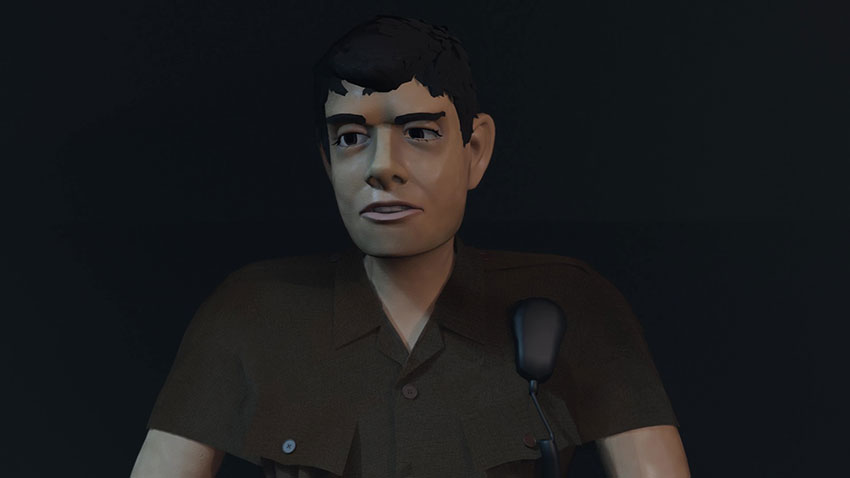
The conceptual heart of The Last Sauna is Malini, a visually impaired janitor who navigates her environment through a sophisticated map of touch and sound.
In a visual medium like animation, Malini's character forced me to ask a fundamental question: How do you tell a story for someone who doesn't rely on vision?
This led to the development of a narrative built on layers of sensory irony:
- The Setting: The story takes place in a luxury sauna filled with dense steam. While this environment limits visibility for others, Malini moves with confidence, using her heightened senses.
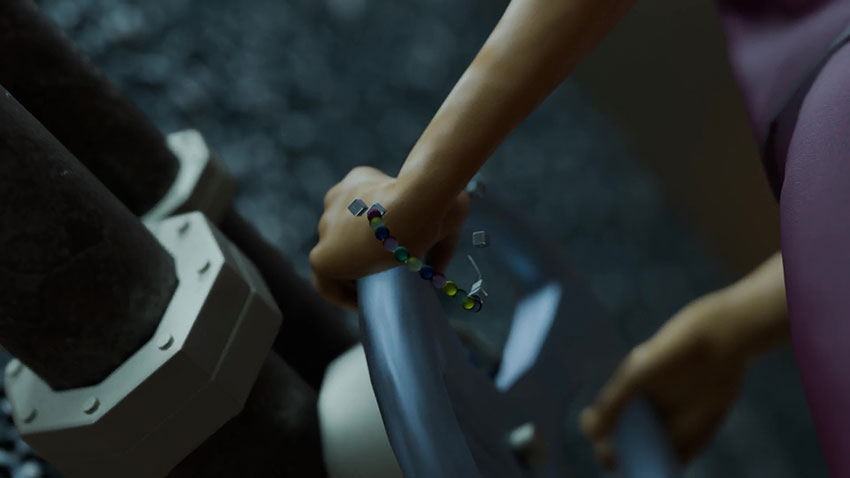
- The Evidence: A silver bracelet with Braille charms plays a key role in the story. Though it looks like a simple piece of jewelry, it becomes an important clue in the investigation. It is both elegant and suspicious, turning a tool meant for accessibility into a point of tension.
- The Motive: The story's emotional core comes from a sister's need to protect her brother. Through flashbacks, we see him struggling in a psychiatric ward after being betrayed by a woman named Vani, which leads to his mental breakdown.
When Vani is eventually found dead in the very sauna Malini cleans, an Inspector becomes convinced he has found the killer. Yet, he is faced with a paradox: how do you prove a crime against a woman who "couldn't have seen" what happened?
The Script: A Masterclass in Psychological Tension
Writing the interrogation sequence was a personal highlight. It follows a "cat and mouse" dynamic, where the dialogue highlights the contrast in power and emotions between the characters.
The Inspector is portrayed as loud, restless, and frustrated, his booming voice often heard shouting into his phone. In contrast, Malini remains unsettlingly calm and restrained. This power shift is encapsulated in the line:
"People come and go, I know the sauna by touch and sound, investigator, not by sight."
This statement is the perfect half-truth. It works as both a defense and a subtle confession. Malini didn't need to see the crime to commit it; she only had to listen to the sound of the steam until the screams stopped.
Atmospheric Design: Sound as a Narrative Tool
At ICAT College of Design and Media, we are encouraged to explore new ways of storytelling. For this project, I focused on sound design as the main narrative tool instead of relying only on visuals. The goal was to make the audience experience the story by "listening" alongside Malini.Key creative decisions included:
- The Hiss of Steam: Used not just as background noise, but to build tension and rhythm
- Audio Spikes: Moments of silence followed by sudden sounds to create discomfort and suspense.
- Psych Ward Flashback: The brother's intense screams were contrasted with the calm, clinical sound of the interrogation room to create unease.
The Showcase Experience: From Screen to Audience
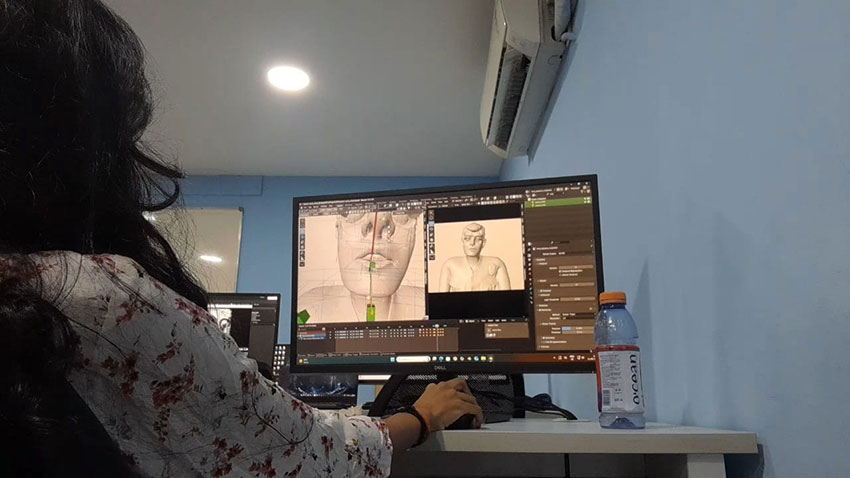
Presenting The Last Sauna at the 16th Graduate Showcase was a major milestone. After months of working alone on details like steam effects and character design, seeing the film with a live audience changed my perspective.
The reaction from the audience provided the ultimate validation for my creative choices:
- The Silence: During the psych ward flashback, the room became completely still, showing deep engagement
- The Gasp: A collective reaction when the Inspector placed the Braille bracelet revealed the story's impact
- The Internal Monologue: Watching the audience lean in to hear Malini's last monologue
Conclusion: A New Way of Storytelling
The Last Sauna represents a shift in how stories can be told through animation. It proves that powerful narratives can be built not only through what we see, but through what we hear and feel. My journey at ICAT College of Design and Media has helped me grow from learning animation principles to thinking like a filmmaker.
As I move forward, I aim to explore more stories that blend sound, psychology, and immersive storytelling, creating experiences that stay with the audience long after the story ends.