
Project Overview
While developing "Leto," my objective extended beyond a standard animation assignment; I aimed to build a cohesive world and a purposeful narrative. This project represents a personal and professional milestone, challenging my conceptual imagination and technical proficiency.
The core concept focuses on a tiny scout from a resource-depleted village who enters a large human world to gather supplies. By playing with scale, I created a sense of vulnerability—showing how an ordinary environment can feel huge, dangerous, and overwhelming from his point of view.
Narrative Architecture
The development process was driven by intentional storytelling rather than just sequence of events. I aimed to build a narrative arc defined by tension, emotional resonance, and suspense.
- Setting as Conflict: A normal kitchen becomes a dangerous and unpredictable world for the character.
- Plot Development: The story turns into a survival adventure when Leto crash-lands, finds sugar, and faces a threat—a household cat.
- Purposeful Pacing: Each scene was planned to create specific emotions, moving from curiosity to fear and finally escape.
- Character Connection: Small actions like dusting himself off or reacting to danger make Leto relatable and give him personality.
Design and Technical Visualization
Turning ideas into visuals required careful improvement and refinement.
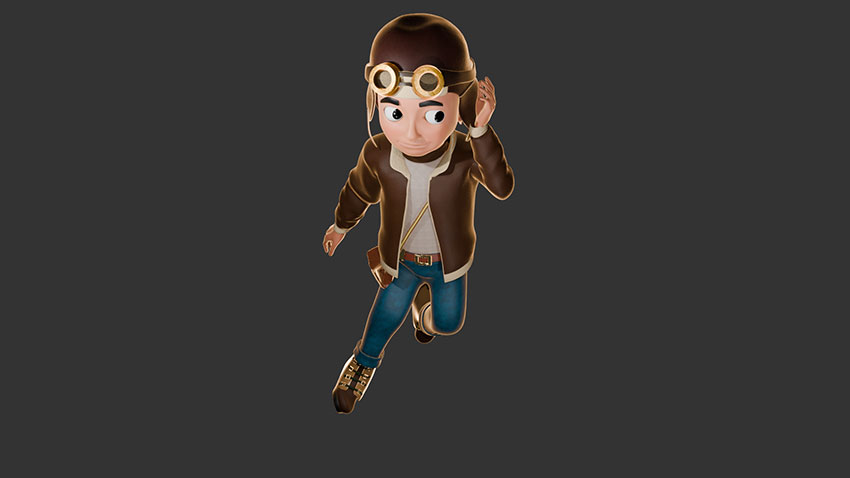
- Character Design: Leto went through multiple iterations to perfect his look and expressions.
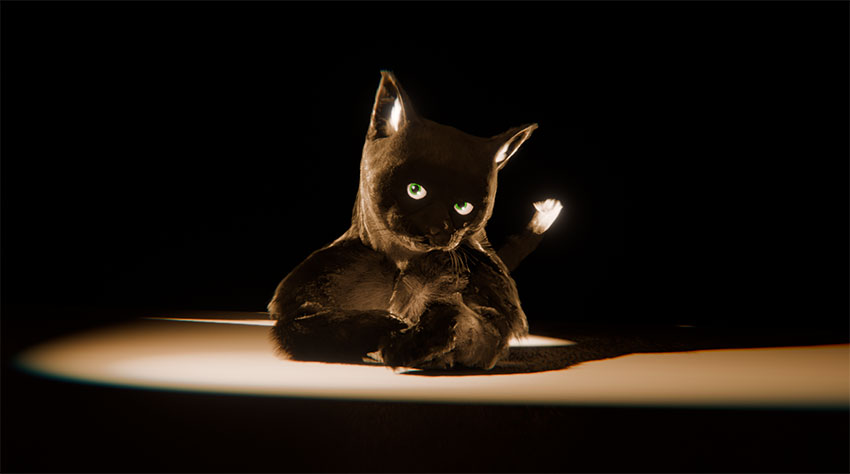
- Antagonist Creation: The cat was designed to feel more threatening, with details like fur texture and glowing green eyes.
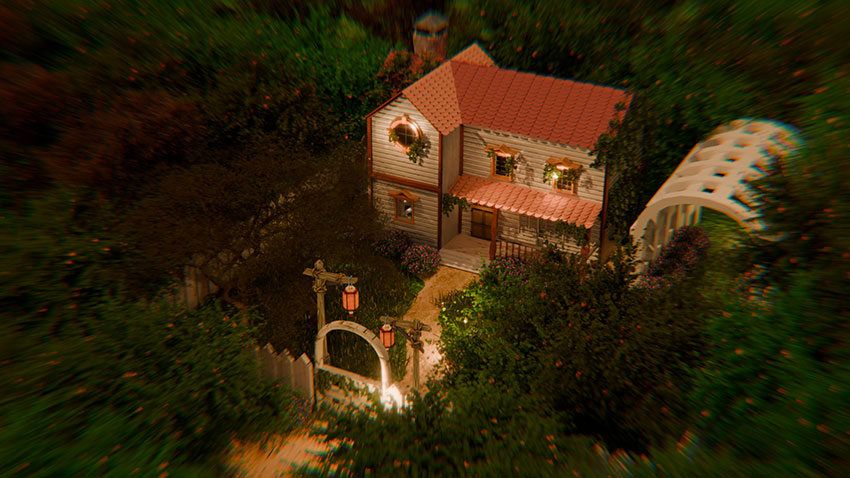
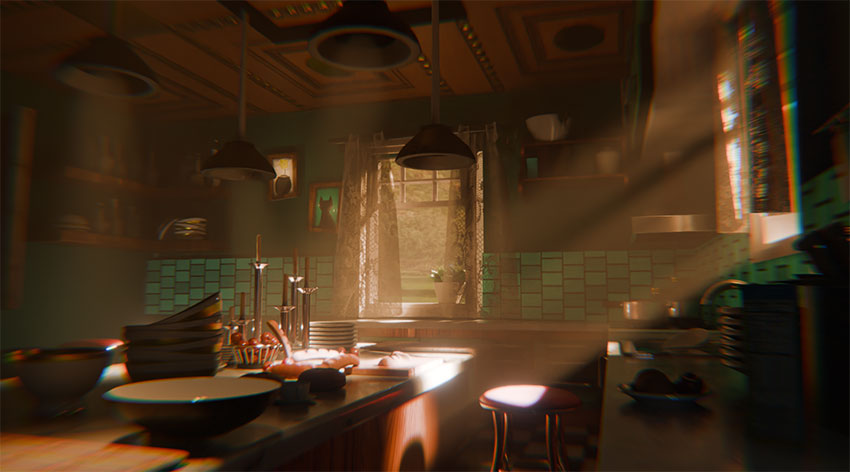
- Environment Modeling: The kitchen was fully built with detailed assets to create a realistic and immersive world.
Workflow and Production Challenges
The production workflow prioritized visual fidelity and narrative purpose.
- Production Hurdles: Balancing the demands of modeling, animation, camera work, and lighting within a fixed timeframe was a primary challenge.
- Commitment to Quality: Every shot, even short scenes, was designed to add value to the story.
Key Animation Sequences
- Dynamic Movement: Gliding scenes helped explore fluid motion and space.
- Complex Sequences: Falling and chase scenes required careful camera planning for intensity. Elements like using a spoon as an oar added realism and personality.
- Technical Integration: Techniques like shape keys were used for dynamic animation, such as moving maps.
Atmospheric Lighting
Lighting played an important role in setting the mood, especially in the final scenes. By slowing down the animation and adjusting the lighting, I reflected Leto's journey from chaos to relief and victory. This contrast between intense action and calm, reflective moments helped create a strong and impactful ending.
Conclusion
Ultimately, Leto reflects my growth as an artist and storyteller, showcasing my ability to develop an idea and turn it into a meaningful and engaging cinematic experience.
I extend my sincere gratitude to ICAT College of Design and Media for the guidance and support that made Leto possible. Showcasing my project at the Graduation Showcase was a valuable experience, where I received encouraging feedback from faculty and visitors.