
If you are considering a career in game art and design, or are already enrolled in a game design bachelor's degree, it is natural to wonder what professional opportunities lie ahead. A degree in game art design or video game design is no longer limited to traditional game studios alone. Today, it opens doors to multiple creative, technical, and interdisciplinary roles across gaming, immersive media, simulation, and interactive digital industries.
With the rapid expansion of gaming platforms, AR/VR technologies, and real-time 3D applications, graduates from game art and design courses are finding opportunities across India and globally. This article explores the major career paths you can pursue after completing a game design degree, and how your skills translate into real-world roles.
Game Art and Design degree matters
Formal game design courses in India are designed to prepare students for the realities of professional production rather than functioning as standalone software tutorials. A game design degree or game art and design course typically introduces students to the full development lifecycle – concept development, production workflows, and post-release refinement – requiring close collaboration between artists, designers, and technical teams.
In Work for Play: Careers in Video Game Development, Drew Liming and Dennis Vilorio (2011) explain that modern video game design relies on coordinated contributions from multiple specialisations, making interdisciplinary awareness a core industry expectation.
Similarly, Ken Fee's study Professional Game Artists (2015) demonstrates that sustained careers in game art design depend on an artist's ability to adapt to evolving technologies, production constraints, and team-driven decision-making, rather than individual expression alone. This industry-aligned emphasis is what distinguishes strong game art and design colleges and good game design colleges, equipping graduates of a game design bachelor's degree with transferable skills applicable across gaming, interactive media, and emerging digital industries.
Core career paths
Game artists focus on creating the visual elements of a game, including characters, environments, props, textures, and lighting. As a game artist, you work closely with designers and programmers to ensure visual consistency and performance optimisation.
Graduates from game art and design colleges like those from ICAT College of Design and Media typically specialise further into character art or environment art as they progress.
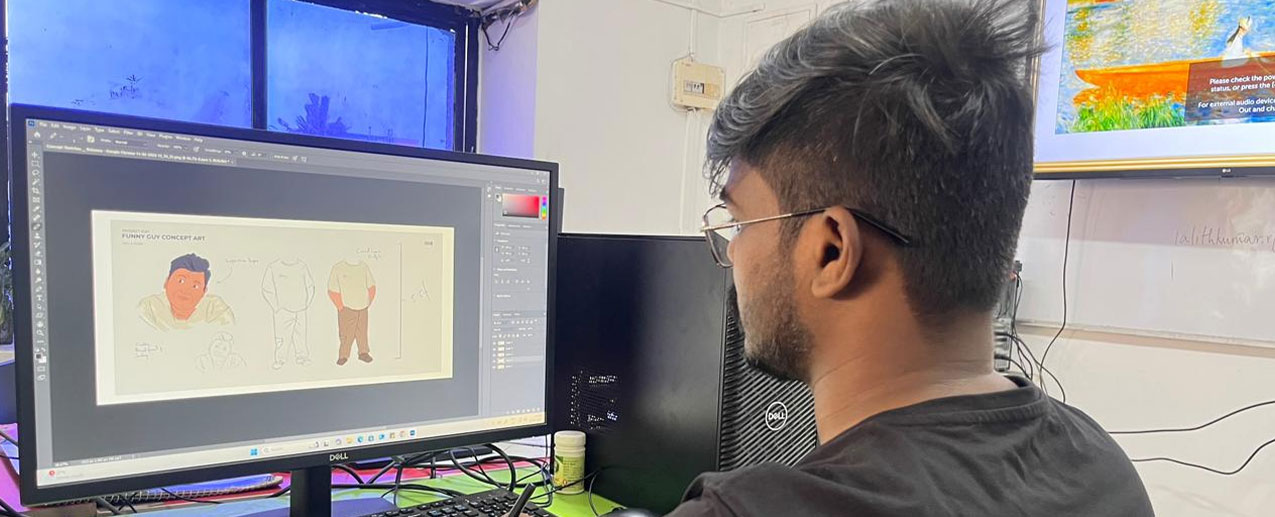
Figure 1. Game art and design careers span multiple roles, from creative production to technical development.
Concept artists work at the earliest stages of development, visualising characters, worlds, and moods. This role requires strong drawing skills, creativity, and visual storytelling. Many professionals begin their journey through game design classes or video game design classes, gradually building portfolios that demonstrate ideation and exploration skills.
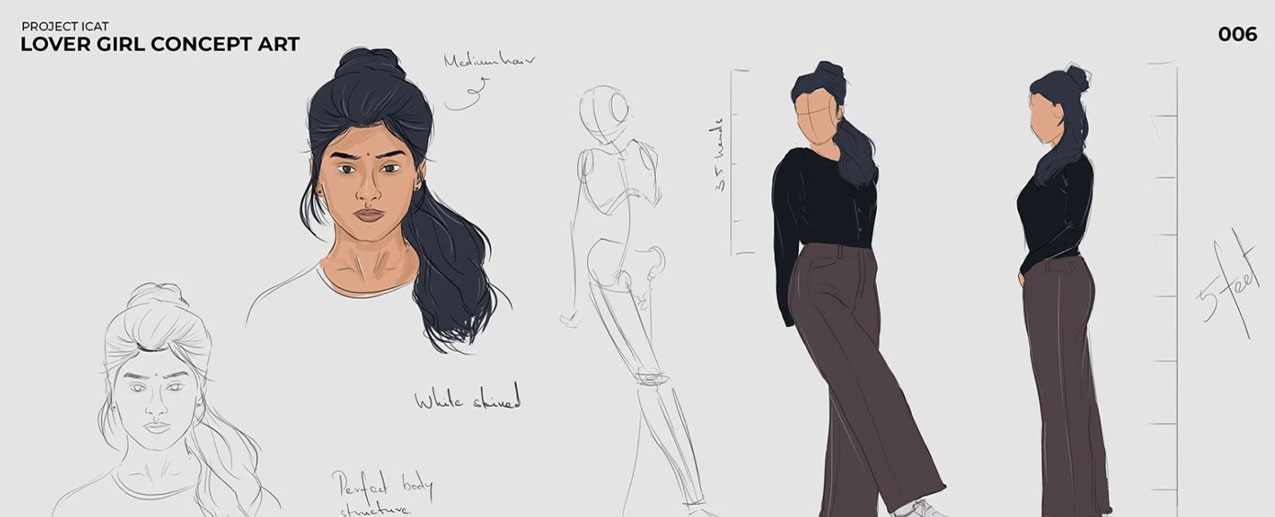
Figure 2. Concept artists shape the visual foundation of games by translating ideas into characters, worlds, and moods.
Character artists sculpt, model, and texture playable and non-playable characters using industry tools such as ZBrush, Maya, or Blender. A strong understanding of anatomy, form, and material realism is essential. This role is common among graduates of specialised game art design degree programmes offered by leading game design institutes.

Figure 3. Game character artists bring personality and emotional depth to characters through form, costume, and expression.
Environment artists build immersive game worlds, from realistic cityscapes to fantasy landscapes. They combine artistic composition with technical constraints such as polygon budgets and lighting optimisation. This role is highly sought after by studios recruiting from good game design colleges and best game design colleges with strong engine-based training.
Design and gameplay roles
Game designers define how a game plays. They design mechanics, rules, progression systems, and player interactions. A background in video game design helps designers balance creativity with usability and player psychology. Many designers start with a bachelor degree in game design in India and later specialise in systems design or narrative design.
Level designers create playable spaces that guide player movement, challenge, and pacing. This role combines spatial design with gameplay logic and iterative testing. Strong level design skills are often developed through hands-on game design classes and collaborative studio projects.
Technical and hybrid career options
Technical artists bridge the gap between art and programming. They optimise assets, build shaders, and solve pipeline issues within game engines like Unity and Unreal.
According to academic research, "technical fluency alongside artistic literacy significantly increases employability within modern game production pipelines" (Sääksjärvi, 2015). This makes technical artists one of the most in-demand roles for graduates of game design courses.
Quality assurance professionals test games to identify bugs, usability issues, and performance problems. While often considered an entry-level role, QA provides valuable insight into production workflows. Many professionals transition from QA into design or art roles after gaining studio experience.
Companies hiring game art & design graduates
Graduates from game art and design courses and game design bachelor's degree programmes find opportunities across leading game studios in India and internationally. These companies recruit game artists, designers, technical artists, and related roles based on portfolio strength, engine familiarity, and collaborative skills.
India's gaming industry has grown rapidly, supported by mobile gaming, outsourcing studios, and original IP development. Notable recruiters include:Nazara Technologies - A major player in mobile and esports-focused game development.
- Zynga India – Known for casual and social games, employing artists and designers for live-service titles.
- Rockstar India – Contributes art, animation, and technical production to globally renowned AAA titles.
- Ubisoft Pune – Actively hires graduates from game art design colleges for environment art, level design, and technical art roles.
- Lakshya Digital – One of India's largest game art outsourcing studios, working with global AAA developers.
Globally, graduates from best game design colleges and game design institutes work with studios producing console, PC, and immersive experiences:
- Electronic Arts (EA) – Offers roles across game art, UX, and technical pipelines.
- Epic Games – Known for Unreal Engine and Fortnite, employing artists skilled in real-time workflows.
- Ubisoft – Recruits designers and artists globally for open-world and narrative-driven games.
- Naughty Dog – A leading studio for cinematic storytelling and character-driven design.
- CD Projekt Red – Known for rich world-building and narrative-heavy games.
Across India and abroad, studios consistently prioritise: (1) Strong portfolios over purely academic credentials; (2) Proficiency in real-time engines like Unity and Unreal; and Ability to collaborate across art, design, and programming teams. This is why students graduating from good game design colleges in India with strong portfolio-focused training are increasingly competitive in both domestic and global markets.
Beyond game studios
A game art and design degree programme prepares you for opportunities beyond entertainment games. Graduates often work in:
- AR/VR experience design
- Simulation and serious games
- Animation and VFX
- Interactive media and digital storytelling
- Mobile game development
- Freelance and indie game production.
Academic studies emphasise that "game design skills are increasingly transferable to non-entertainment contexts such as education, training and virtual simulation" (Routledge Game Studies).
The right educational path
Most professionals begin in junior roles after completing their game design bachelor's degree. With experience and a strong portfolio, you can progress into senior artist roles, lead designer positions, or creative direction. Continuous learning is essential, particularly as tools and pipelines evolve. Graduates from reputed game art and design colleges often benefit from alumni networks, studio exposure, and industry mentorship.
When evaluating game design colleges in India, consider factors such as:
- Industry-aligned curriculum
- Faculty with production experience
- Access to modern tools and engines
- Portfolio development support
- Transparency around game design course fees.
Reputed game design institutes focus on employability rather than software-only training, preparing you for long-term career growth.
Final thoughts
A degree in game art and design offers far more than a pathway into gaming alone. It equips you with creative, technical, and collaborative skills that are increasingly valuable across digital industries.
As academic research and industry practices both indicate, success in this field depends on strong portfolios, adaptability, and a willingness to keep learning. If you are passionate about game design, visual storytelling, and interactive experiences, a game design degree can be a powerful foundation for a rewarding creative career.