
Discover Shout Blade, a unique voice-controlled multiplayer 2D combat game developed using Unity. Explore gameplay mechanics, voice input design, challenges, and student project insights at ICAT college.
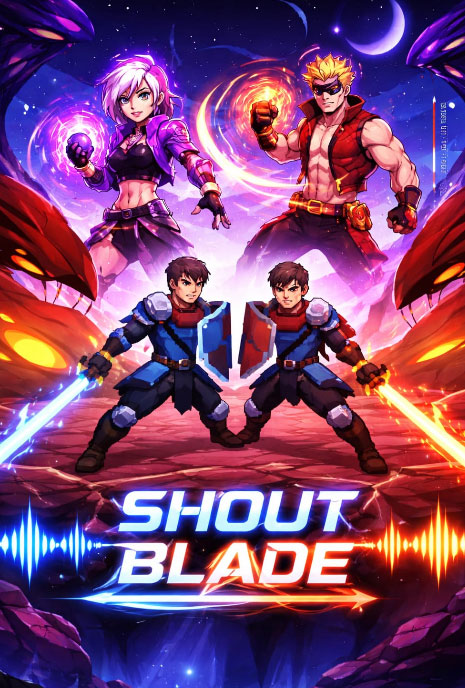
As a 2D artist and Game Design student at ICAT Design & Media College, my final-year project became an opportunity to combine creativity with technical skills. The result was Shout Blade, a unique multiplayer party game where your voice becomes the controller.
Unlike traditional games, this project explores a completely different interaction system turning human voice into real-time gameplay mechanics.
The Idea Behind Shout Blade
The game transforms the human voice into a real-time combat controller, replacing traditional buttons with sound-based input.
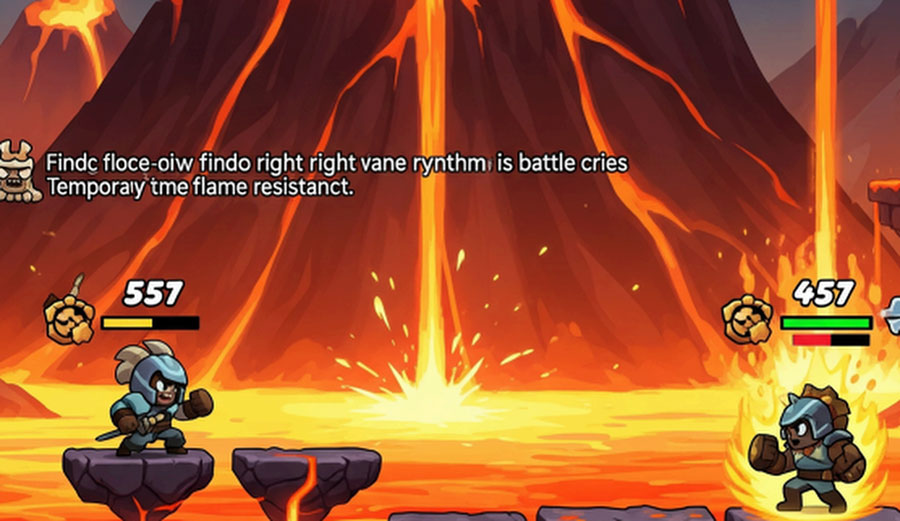
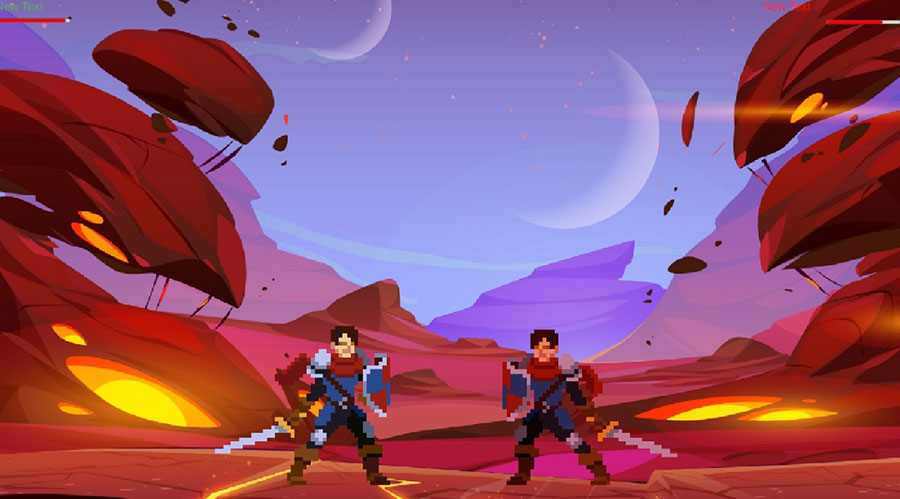
A competitive 2D multiplayer combat game where your voice is your weapon. Players must shout, whisper, and control pitch or timing to perform attacks, dodges, and blocks. Victory goes to those who fight with precision, power, and vocal control.
Gameplay Mechanics
Your voice controls everything. The game constantly analyzes:
- Volume (loudness) → Power
- Pitch (high/low) → Type of move
- Duration (short/long) → Speed vs charge
- Timing (rhythm) → Accuracy / combos
Example:
- Loud shout → Heavy attack
- Quick sharp sound → Light attack
- Low pitch hum → Block
- High pitch sound → Dodge
This creates a competitive multiplayer combat experience where skill depends on voice control, precision, and timing.
Development Process
Shout Blade was developed using the Unity game engine.
During development, I worked on:
- Voice-based player movement
- Attack, dodge, and jump mechanics
- Real-time voice input processing
- Multiplayer interaction systems
However, voice input introduced unique challenges:
- Less precise than buttons
- Highly sensitive to background noise
- Different for every player
Despite this, it pushed me to think beyond traditional game design.
Visual Style & Environment Design
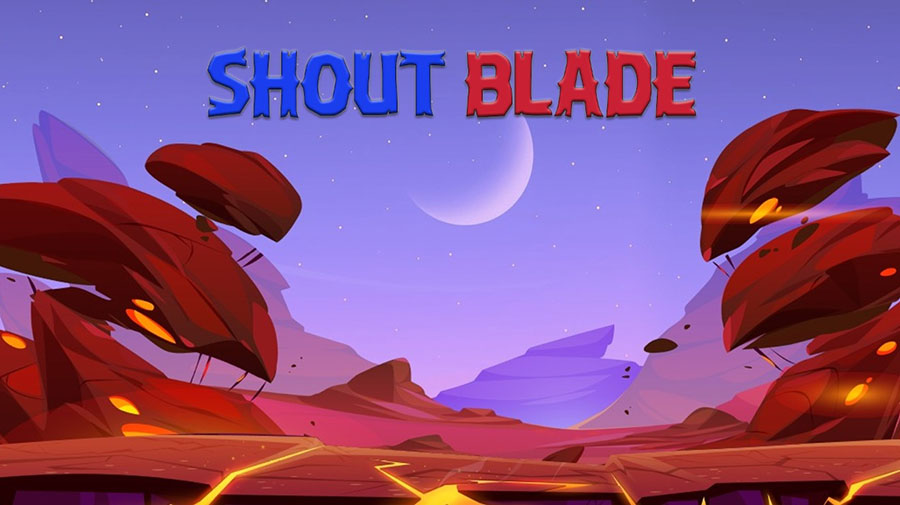
The game features a colorful 2D supermarket environment, designed to enhance chaotic multiplayer fun.
Environment Elements:
- Grocery shelves
- Shopping carts
- Collectible items
- Interactive props with ragdoll physics
Instead of focusing only on realism, I designed the visuals to support fun gameplay interactions. This helped create a light-hearted multiplayer experience suitable for casual players and friends playing together.

Challenges & Development Journey
Developing a voice-controlled game came with challenges like varying pitch between players, background noise interference, and inconsistent input detection. Balancing fairness and ensuring responsive gameplay also required multiple iterations.
The project began with basic experiments in microphone input, pitch, and volume detection, where early prototypes were unstable. Through continuous testing and refinement, I improved player behavior, level design, and overall gameplay responsiveness.
This process helped me strengthen my skills in debugging, user experience, and iterative design thinking.
Graduation Showcase & Learning Experience
Presenting Shout Blade at the ICAT College Graduation Showcase held at Mantri Square Mall allowed real players to laugh, shout, and engage with the voice mechanics, proving how intuitive and entertaining the concept was, showing that games don't always need traditional controls to be fun.
This experience helped me grow as a game designer, strengthening my understanding of voice-based input, audio processing, real-time mechanics, and multiplayer interaction. It also improved my ability to design from a player's perspective, focusing on fun and engagement.
Conclusion
Shout Blade explores an innovative approach to game interaction by replacing traditional controls with voice input. While challenges like noise handling and input inconsistency were significant, overcoming them led to a more refined system.
This project proves that Voice can be a powerful gameplay mechanic when combined with thoughtful design.
Explore more student project blogs to see how innovative ideas are brought to life.