
Explore Krida, a final-year game design project developed using Unreal Engine. Learn about ideation, challenges, teamwork, and real-world game development experience at ICAT college.
Introduction
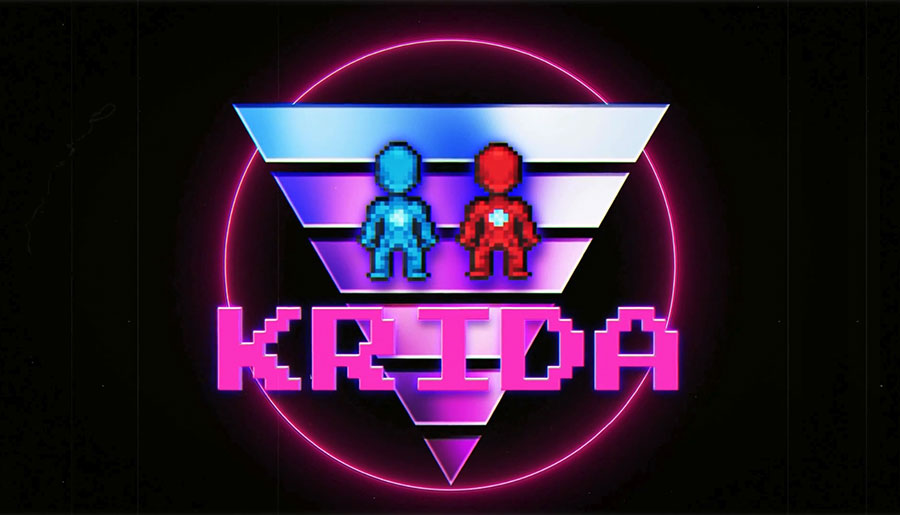
Krida is a final-year game design project at ICAT Design & Media College, that represents the culmination of my learning in game art and design. More than just an academic submission, this project involved real-time problem solving, teamwork, and continuous iteration closely reflecting real industry workflows.
Ideation and Concept Development
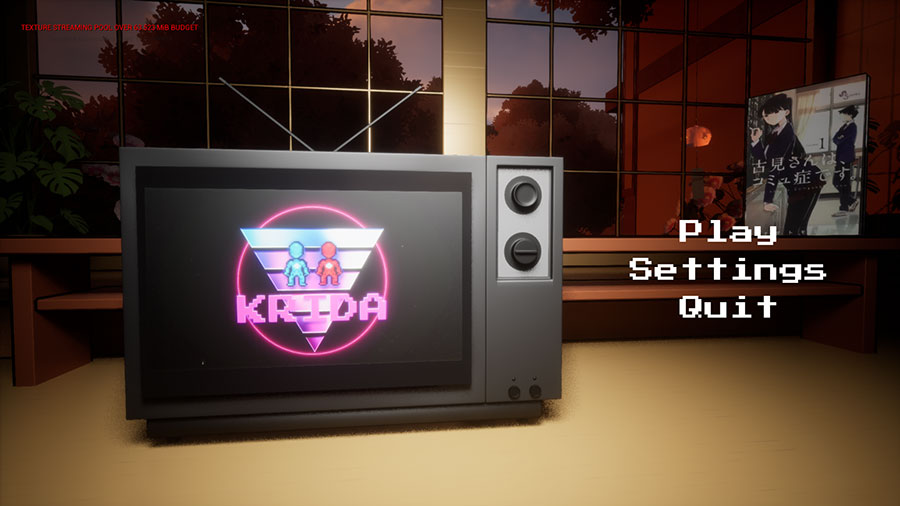
The project began with an extensive ideation phase where we explored around 20 different concepts ranging from story-driven games to experimental mechanics.
After evaluating feasibility, originality, and scope, we finalized Krida. The decision was based on balancing creative ambition with practical limitations, especially considering our small team size.
Pre-Production
During pre-production, I focused on defining the visual and conceptual direction:
- Style references and mood boards
- Gameplay structure and player interaction
- Overall game flow
This phase helped establish a strong foundation and minimized confusion during development.
Production Process

The production phase involved building the game using Unreal Engine.
Since we didn't have a programmer, we relied heavily on:
- Built-in engine tools
- Technical problem-solving
- Iterative testing
My role during this phase involved working on design decisions, visual elements, and ensuring consistency across the project. I continuously reviewed assets and their placement within the environment to make sure everything aligned with the intended look and feel.
A key learning was understanding how assets behave differently inside the engine, requiring constant adjustments in lighting, scale, and composition.
Challenges Faced
Developing Krida came with several challenges:
- No dedicated developer → required creative problem-solving
- Heavy workload due to small team size
- Time management alongside academics
- Technical issues like bugs and performance limitations
- Maintaining visual and gameplay consistency
These challenges helped us develop resilience and adaptability throughout the project.
Learning & Final Outcome
Krida provided hands-on experience beyond theory, helping me understand game design workflows, teamwork, and working within technical limitations. It strengthened my ability to plan, communicate, iterate, and take ownership while making design decisions under constraints.
The final result is a fully playable game that reflects both creative vision and technical execution. Despite limitations, the project successfully demonstrates the journey from concept to completion, adaptability in development, and a practical understanding of real-world design pipelines.
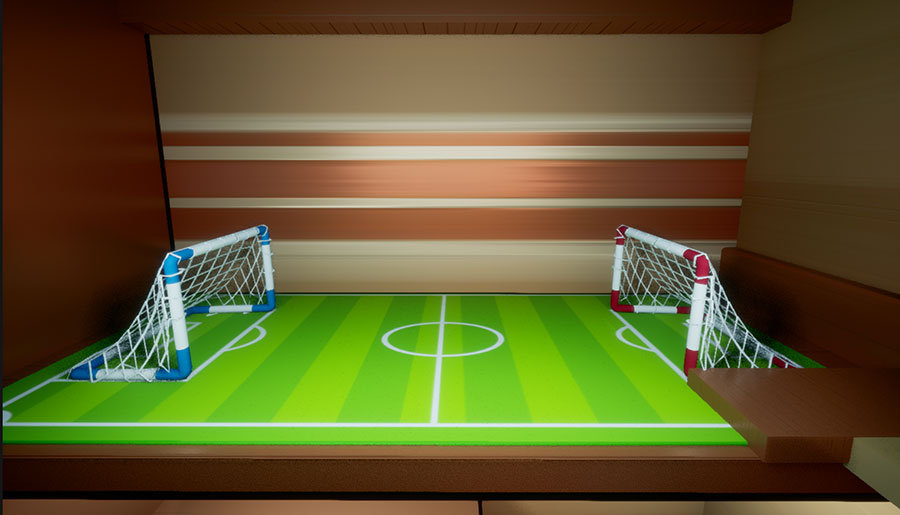
Presenting Krida at the ICAT College Graduation Showcase held at Mantri Square Mall allowed real players to experience the game firsthand. Watching them laugh, compete, and react provided valuable insights into player behavior, engagement, and intuitiveness.
This experience helped refine key aspects like control responsiveness, gameplay clarity, and interaction balance transforming the project from an academic submission into a real-world, user-tested game.
Conclusion
Krida marks an important milestone in my journey as a game designer. From exploring multiple ideas to completing a final playable experience, the process was both challenging and rewarding.
Working in a small team without a dedicated developer pushed us to think creatively, collaborate effectively, and adapt continuously. This experience has given me a deeper understanding of the game development process and prepared me for future opportunities in the industry.
Explore more student project blogs to see how innovative ideas are brought to life.