
In today's rapidly evolving world, interior design has moved far beyond simple decoration—it has become an essential service that shapes how people live, work, and interact with their surroundings. The demand for interior designers has grown significantly, driven by changing lifestyles, technological advancements, and a deeper awareness of the impact of well-designed spaces on human wellbeing.
Surge in Demand
The upgrading lifestyles of society is shaping the expectations and preferences of various spaces that are customised to the needs and style preferences of each individual. Social media strongly influences the lifestyle choices of the clients by inspiring them. The hunt for tech-integrated cozy and functional spaces have increased the need for interior designers to play a vital role in sculpting and upgrading the spaces.
Additionally, India's amplifying MIG sector drives the demand for better and rapid real estate growth and investment which creates more opportunities for the interior designers to venture and thrive. Strategic government policies also support urban development and growth which keeps the demand ramping up to new heights.
The search for culturally-rooted spaces which are responsive with the use of vernacular materials and styling continues to grow. Architects and interior designers can also provide the best sustainable and ecofriendly solutions to cater to the needs of such clients.
Significance of Interior Designers
Bridging the gap between clients' needs and the budget through design. Designers come up with strategic design plans by optimising the use of spaces, materials and construction methods to cater to the needs of the clients that best suits their budget and aesthetic expectations.
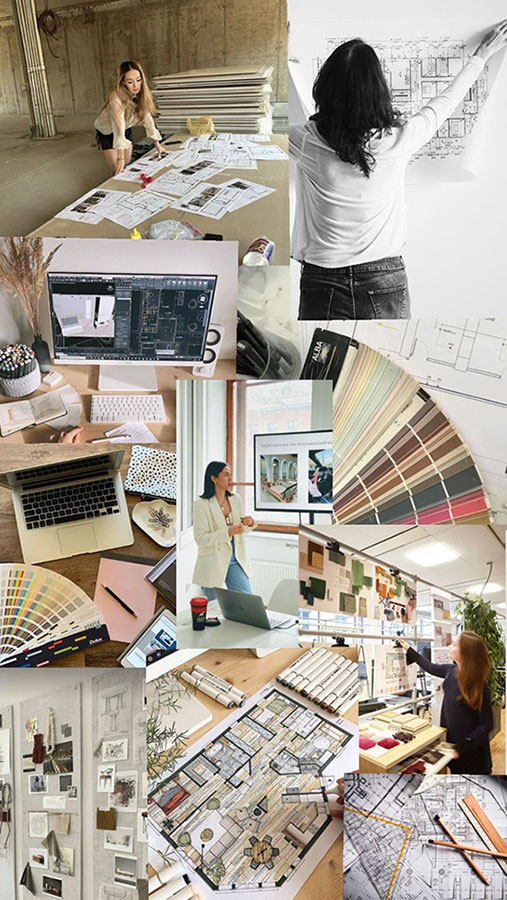
Figure 1. Creating spaces that speak your story.
Developing Collaborative 3D models: Interior designers use tools to develop collaborative 3D models (Building Information Models - BIM) that enable better coordination among the stakeholders involved in the design process to ensure efficiency and accuracy in handing over the project to the client seamlessly as this can avoid clashes at the design phase.
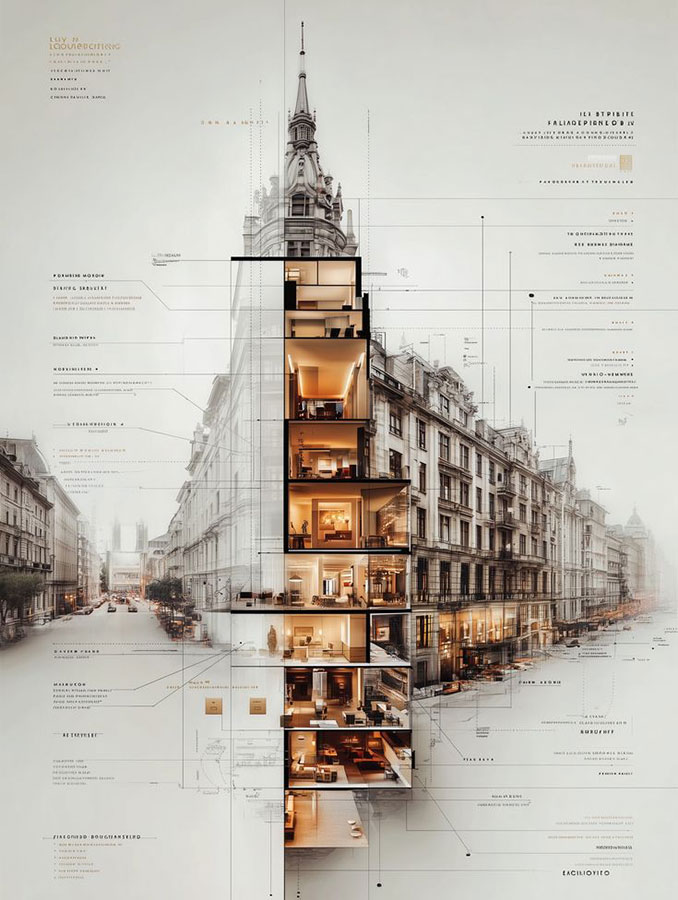
Figure 2. From paper lines to perfect spaces.
Creative architects and interior designers address the current challenges in the practice by imparting new design approaches that are tech integrated and more sustainable, this makes them trend setters of the future.
A World of Opportunities
Residential: Designers create aesthetically functional spaces that are comfortable and pleasing to the occupants by creating plans, furniture layouts, and schemes of colours & lights that maximise the efficiency of the living spaces.
Commercial: Architects and designers efficiently bring out the brand identity by providing attractive and cost efficient design solutions that enhance the customer experience and promote the insight of the products in retail stores and hotels. Creative and collaborative workspaces also come under the commercial office sector.
Industrial: Industrial spaces are crafted to meet the safety norms, the functionality and the production facilities without compromising the ergonomics and aesthetics of the spatial environment.
Recreational: Designers create relaxing environments that enhance leisure experience and activities by planning the recreational spaces like clubs, theaters, gyms, and parks.
Transportation Hubs: Interior designers plan the circulation layouts, waiting areas, lighting, signage, and seating in airports, railway stations, and bus terminals to improve passenger comfort, accessibility, and wayfinding.
Institutions: Designers create learning environments for schools, colleges, and other educational institutions that creates an ambience that supports learning and productivity with ample natural lighting, user-friendly flexible spatial layouts that are acoustically treated with ergonomic furniture for comfort.
Public Buildings: Civic spaces like high court, corporation, and municipal office spaces, and other government buildings and public buildings such as hospitals are crafted to perfection by considering the unique needs of the users. Spaces are designed by the interior designers with a sense of creating identity for the space that are easily accessible, functional and durable.
Other Spaces: Interior designers also play a key role in shaping the supportive spaces for the outdoor environment such the water front developments, farm houses and barns, vertical and indoor farming areas, and other supportive spaces in parks, theme parks and forest retreats etc. Spaces are created to blend with nature by using sustainable materials.
Reuse of Heritage Building: Interior designers play a key role in restoring historically significant structures that are modified internally to upgrade the services, aesthetics, functionality and furnishing while the original architectural essence is retained to preserve the cultural heritage building and make it last longer by upgrading it.
Design Has No Limits
Interior designers design furniture and artefacts that are customised and curated for aesthetic purposes. They are also actively involved in set designing for supporting the film industries and other industries by creating sets that range from miniature 3D models to live scale cinematic sets and 3D virtual environments. Thematic design concepts are adopted for stage/set designs that cater to various events based on client preferences and purpose.
The growing demand for interior designers reflects the increasing importance of well-designed spaces in modern life. As lifestyles evolve through the ages and expectations rise, interior designers will continue to shape spaces and lives.