
How to Turn Your Multimedia Skills into a Startup?
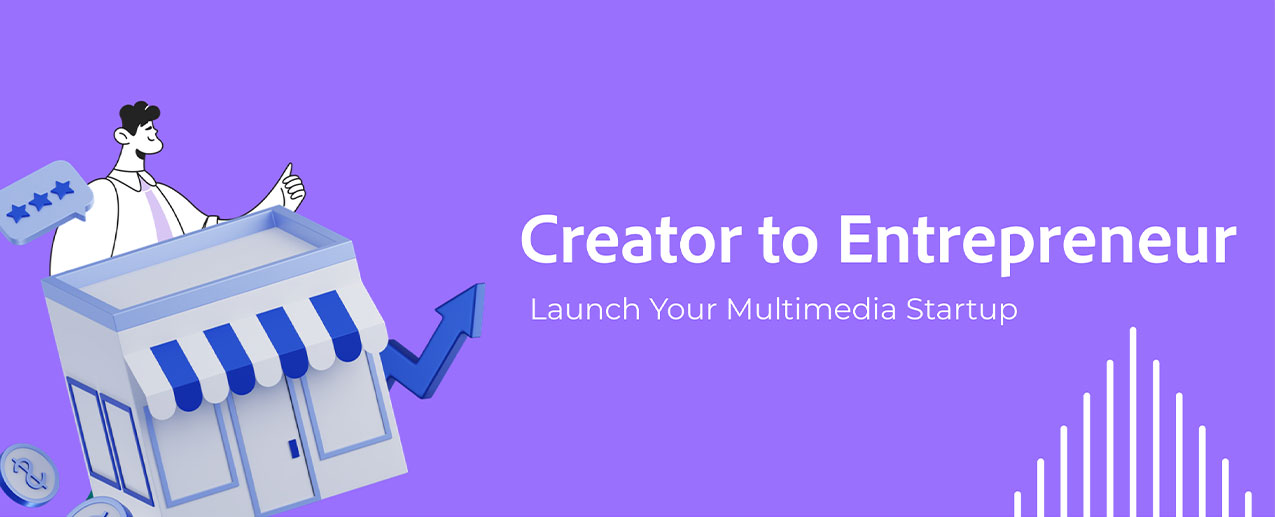
Turning multimedia skills into a startup means using creative talents, like branding, video editing, motion graphics, and design, to build a small business that provides creative services to others.
If you enjoy designing logos, making videos, or creating posters and brand visuals, you already have the foundation for a multimedia business. The key is learning how to turn that creativity into income by offering what people and brands need.
Why Are Multimedia Skills in Such High Demand Today?
Think about how much content you see daily on YouTube, Instagram, or even local business boards.
Every logo, post, and video you see is created by a multimedia professional. Brands today rely heavily on visual storytelling to connect with their audience. A single visual can say more than a paragraph of text.
That’s why skilled multimedia creators are in demand. They help brands stand out and communicate effectively in a crowded digital space.
How Can You Build a Strong Portfolio to Impress Clients?
Your portfolio is your digital resume. It shows your skills, ideas, and how you think visually.
Here’s how to build one that makes a strong impression:
- Create sample works even if you don’t have clients yet.
Ex: Try designing a logo for a fictional café or making a short ad video for a brand idea.
- Show your best 6–10 works only. Keep it concise and relevant.
- Add variety. Include logos, posters, videos, and motion graphics.
- Show before-and-after edits. It helps clients see your process.
- Use clear titles and short descriptions.
- Upload your work online using free platforms like Behance, Instagram, or a personal site.
Tip: Don’t wait for clients to find you. Post your designs and videos regularly; visibility creates opportunities.
Should You Work with Small Clients First?
Yes. Small clients and local businesses are a great starting point. They may have limited budgets but are open to experimenting with new ideas.
When you help them grow, your experience and credibility grow too. Each project becomes a story to showcase in your portfolio. Remember, your first few clients are stepping stones, not your destination.
Do You Need Formal Education to Start a Multimedia Business?
Not always, but it helps.
A multimedia or design degree gives you a strong foundation, exposure to tools, and guidance from mentors. However, many professionals also learn through online courses, tutorials, and personal practice.
What truly matters is your creativity, portfolio, and consistency. Start small, design posters for events, edit short videos, or take freelance gigs. Every project adds to your experience.
How Can Parents Support Students Who Want to Pursue Multimedia Careers?
For parents, multimedia might seem uncertain at first. But today, every industry needs creative professionals such as marketing, education, entertainment and business.
Encouraging children to explore digital tools, learn design software, and take part in creative activities can open strong career paths. Multimedia is not just art; it’s a growing profession with global demand.
What Tools and Software Should You Learn First?
You can start simply and build your skill set gradually. Here are some key tools:
- Adobe Photoshop and Illustrator – for design and branding
- Adobe Premiere Pro or DaVinci Resolve – for video editing
- After Effects or Blender – for motion graphics and 3D animation
- Canva – for quick social media content
Use free or student versions first. Focus on mastering one tool at a time before moving to the next.
How Can You Earn Consistent Income from Multimedia Work?
Once you’ve built your portfolio and gained experience, there are many ways to earn steadily, such as:
- Freelance projects
- Monthly retainers (regular work for one client)
- Selling templates, icons, or design assets online
- Teaching or creating online courses
Consistency in work quality and communication is what builds trust, and repeat clients mean stable income.
What Are the Common Challenges Beginners Face?
Every creator faces challenges while starting out. Some of the most common are:
- Finding the first few clients
- Managing time between multiple projects
- Handling feedback and revisions
- Setting fair prices for services
With time, experience, and confidence, these challenges turn into lessons that shape your career.
Building a multimedia startup isn’t just about being creative; it’s about being consistent, visible, and ready to learn.
In today’s world, creativity and entrepreneurship go hand in hand. The more you practice, the more your skills turn into opportunities.
At ICAT Design and Media College, students are encouraged to think beyond jobs, to explore freelancing, startups, and personal brands. With the right guidance, creativity can grow into a powerful career path that blends art, business, and innovation.