

Explore "Earthy Biryanis – Tastes of India," a food photography project capturing the richness, culture, and visual storytelling of Indian cuisine.
Food has always been more than just something we eat. It carries memories, culture, emotions, and stories.
For my final year Photography project at ICAT College of Design & Media, I wanted to explore a subject that connects people across regions and cultures. This led to the creation of my project, "Earthy Biryanis – Tastes of India."
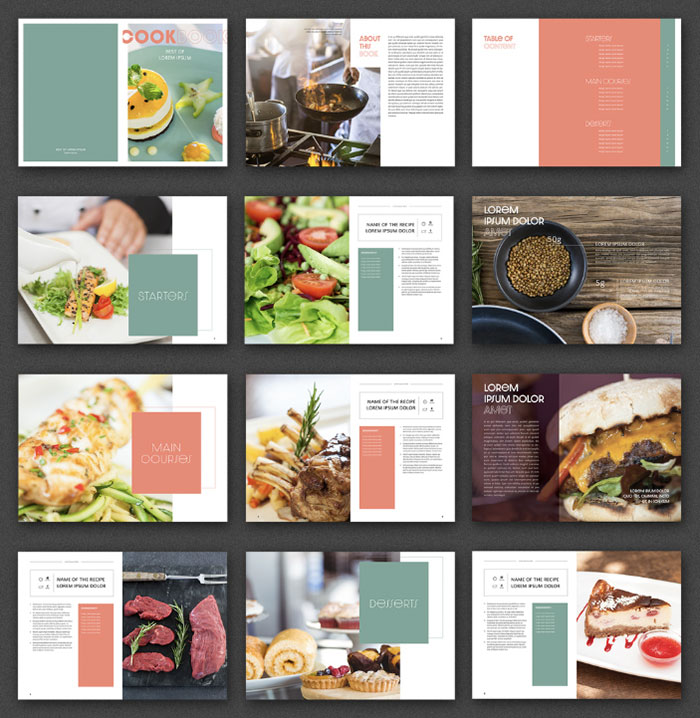
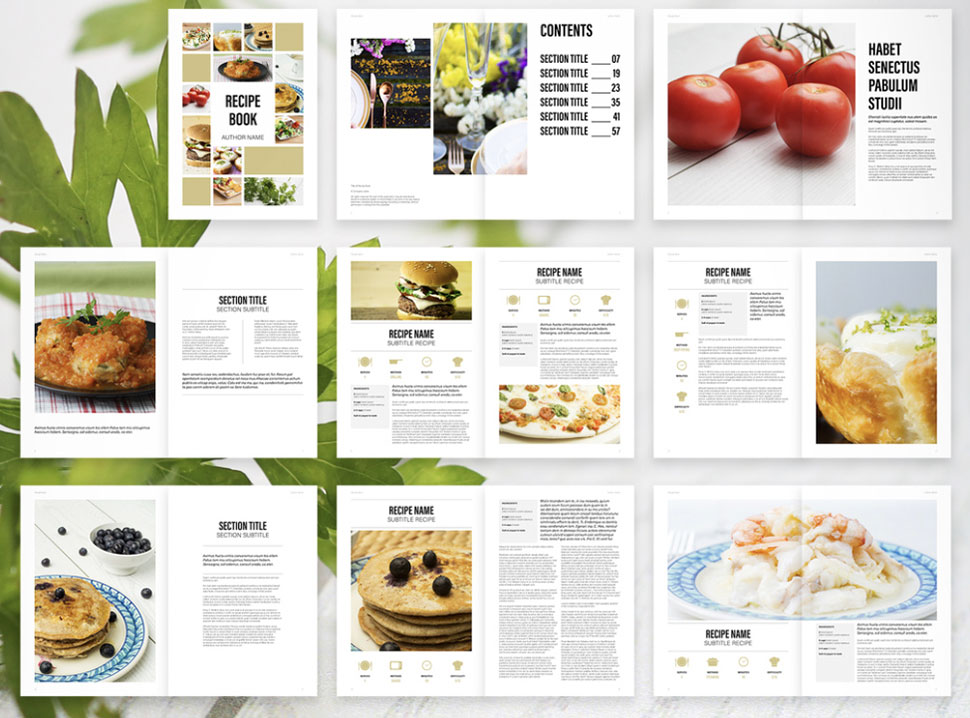
This project is a food photography exploration focused on biryanis from different regions of India, with the goal of visually documenting them in the form of a cookbook. Through this journey, I aimed to highlight the richness of Indian cuisine while developing my technical skills in food photography, styling, lighting, and visual storytelling.
Why I Chose Food Photography
I chose food photography because it beautifully combines visual storytelling with culinary culture.
Food photography is not just about capturing a dish, it is about presenting the emotion, tradition, and identity behind it. In today’s digital world, it plays a significant role in restaurants, branding, cookbooks, and social media.
A well-crafted image can influence choices, evoke cravings, and instantly communicate the story of a dish. Among all Indian cuisines, biryani stood out to me because of its richness, diversity, and cultural importance. Each region has its own variation, with unique spices, cooking techniques, and presentation styles. Through this project, I wanted to celebrate this diversity while presenting biryani in an editorial and visually engaging format.
Concept of "Earthy Biryanis"
The core concept of this project was to capture biryanis from different regions of India and present them in a way that reflects their authenticity and cultural warmth.
The term "earthy" represents the grounded and traditional nature of these dishes. Biryani is not just a meal, it is deeply connected to families, celebrations, street food culture, and regional identity.
Instead of simply photographing food, I approached the project with a storytelling mindset. Each image was designed to feel warm, inviting, and rich in texture, allowing viewers to almost experience the aroma and freshness of the dish.
The goal was to create visuals suitable for a cookbook, where photography guides the viewer through a culinary journey.
Research and Preparation
Before starting the shoot, I researched different styles of biryani across India, including Hyderabadi and other regional variations. Understanding these differences helped me plan the styling and composition of my images. I focused on creating authentic Indian dining aesthetics using traditional plates, serving bowls, spices, and natural textures.
Food photography requires careful preparation because food can quickly lose its freshness. Proper planning ensured that every dish looked visually appealing during the shoot.
Styling and Composition
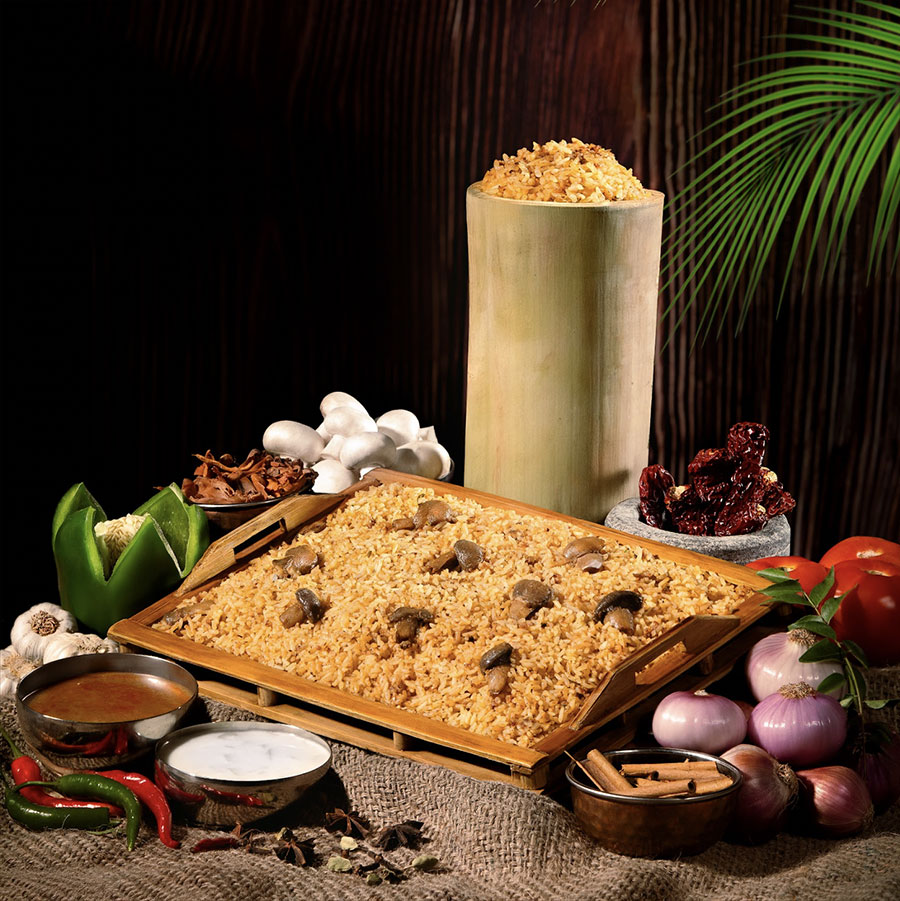
Styling played a key role in bringing this project to life.
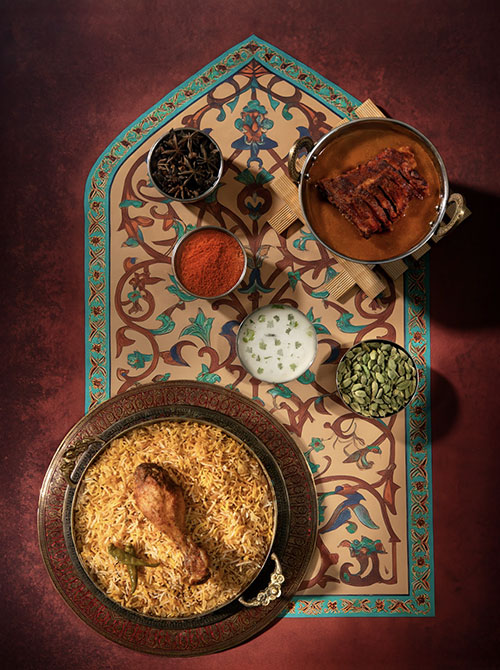
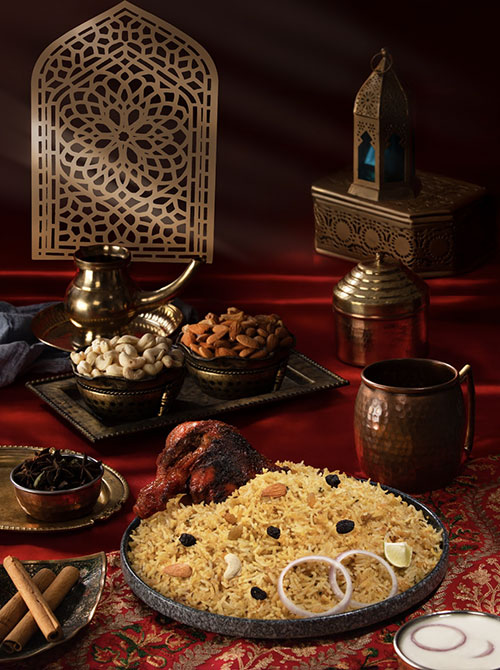
Every element in the frame, from rice placement to garnish, was carefully arranged to enhance visual appeal. I focused on highlighting the textures and layers of biryani, using the natural contrast of saffron rice, spices, and herbs.
I experimented with different composition styles, including top down shots, close ups, and angled perspectives. These techniques helped capture both the details and the overall presentation of the dish, making the images suitable for cookbook formats.
Lighting Techniques
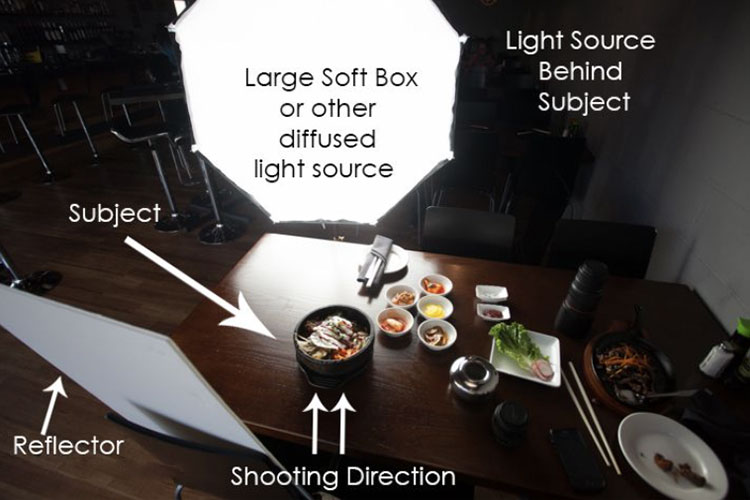
Lighting was essential in defining the mood and texture of the photographs.
I used soft lighting to create a natural and appetizing look. Soft light enhances texture while avoiding harsh shadows that may distract from the subject. Side lighting was particularly effective, as it added depth and highlighted the layers of rice and ingredients. It also helped emphasize steam, shine, and color variations.
By carefully controlling light direction and intensity, I created images that feel warm, inviting, and visually rich.
Challenges and Learnings
Food photography comes with its own unique challenges, and this project pushed me to adapt and think creatively at every stage. Maintaining the freshness and visual quality of the food during long shoots was one of the biggest challenges, as dishes change quickly in appearance. This required me to work efficiently while adjusting lighting, composition, and styling to capture each dish at its best. At the same time, balancing authenticity with visual refinement was equally important. I wanted each biryani to stay true to its cultural roots while achieving a polished look suitable for editorial and cookbook photography. Through this process, I developed patience, attention to detail, and a deeper understanding of how textures, colors, and lighting influence the final image.
This project was also showcased at the ICAT College Graduation Showcase, and Media, where it was presented alongside diverse creative works. Displaying my work in a public space allowed me to observe how audiences engage with food photography and visual storytelling, while also gaining valuable feedback from peers, faculty, and industry professionals.
Conclusion
Working on "Earthy Biryanis – Tastes of India" has been an incredibly rewarding journey.
It allowed me to combine my passion for photography with my appreciation for food and culture. Through this project, I improved my technical skills in lighting, composition, and food styling, while also learning how to tell meaningful stories through visuals.
My goal is to create a visual cookbook that celebrates the richness of Indian biryanis, capturing not just the dishes themselves but also the traditions and emotions they represent. Ultimately, this project reminded me that photography has the power to make people see, feel, and even taste a story through images alone.
Explore more student project blogs to see how innovative ideas are brought to life.