
Explore "Barbie Effect," a conceptual fashion photography project examining unrealistic beauty standards and identity through visual storytelling.
Introduction
I am a final year Photography student at ICAT College of Design & Media, I wanted to go beyond creating visually appealing images and explore a concept that reflects modern society and its influence on identity.
Inspired by the Barbie aesthetic, this project is a visual study of how idealized beauty standards affect perception, self image, and confidence, especially among young people. It documents my complete creative journey from idea to execution, transforming a simple concept into a meaningful visual narrative.
Idea Generation: Identifying the Concept
The foundation of this project comes from observing how media, fashion, and pop culture shape beauty standards.
The idea of "perfect beauty" is often represented through the Barbie figure, associated with flawless skin, ideal proportions, and a glamorous lifestyle.
This led me to focus on key concerns:
- Unrealistic beauty expectations
- Influence of social media aesthetics
- Pressure to appear perfect
These observations became the starting point for developing the project.
Research Phase: Understanding the Influence
To build depth, I explored both visual and conceptual research.
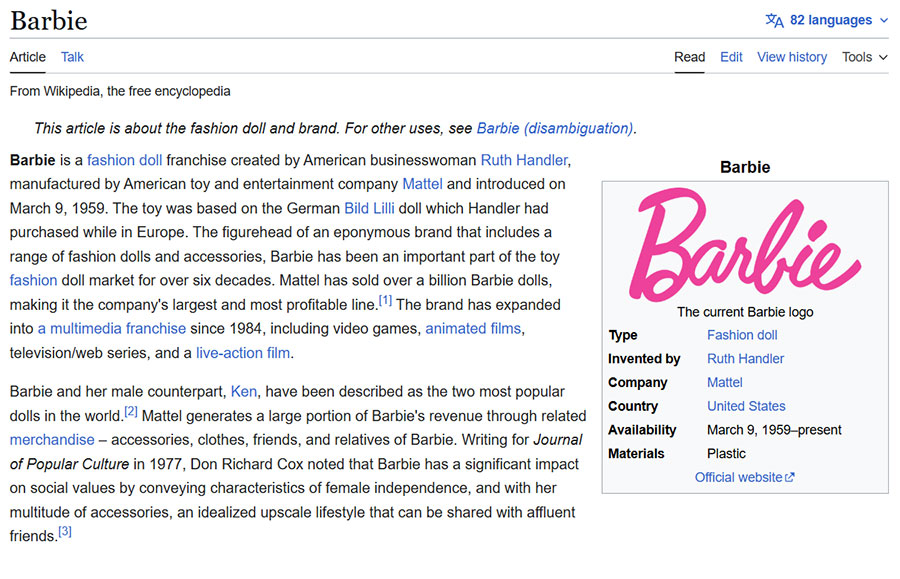
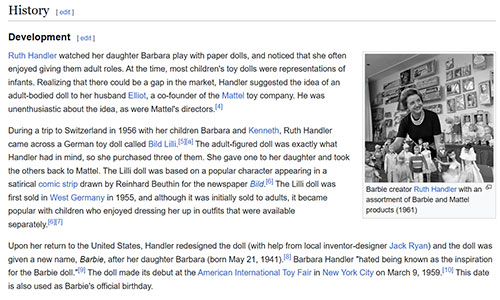
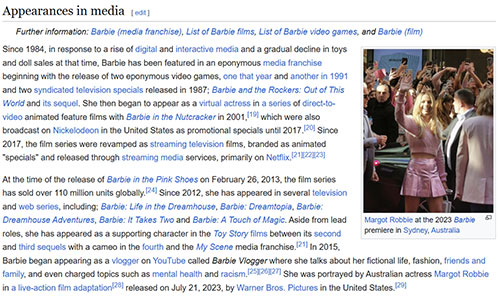
Through secondary research, I studied fashion photography, brand campaigns, and pop culture visuals influenced by the Barbie aesthetic. I analyzed lighting styles, pink toned color palettes, poses, and styling techniques that create a doll-like appearance.
For primary research, I observed social media behavior and had conversations with peers about how these visuals impact self perception. Many expressed feeling pressured to match unrealistic standards.
This phase made one thing clear:
Beauty today is not just seen, it is constantly compared and internalized.
Concept Development: Structuring the Visual Story
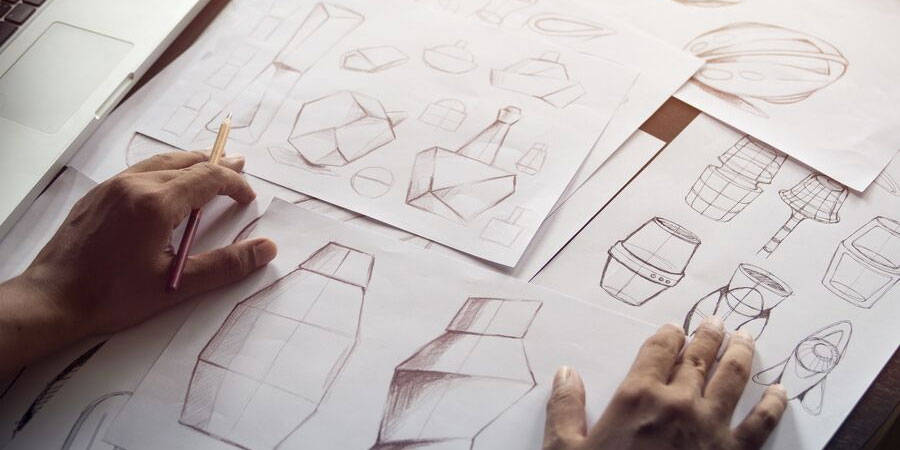
Before executing the shoot, I focused on building a strong conceptual foundation.
I defined:
- Mood and tone as glamorous yet artificial
- Core message as beauty versus reality
- Styling direction inspired by controlled perfection
Mood boards and references were created to guide lighting, color grading, poses, and expressions. This helped ensure a clear and consistent visual direction.
Planning and Pre Production
Careful planning was essential to bring the concept to life.
This included:
- Selecting models suited to the theme
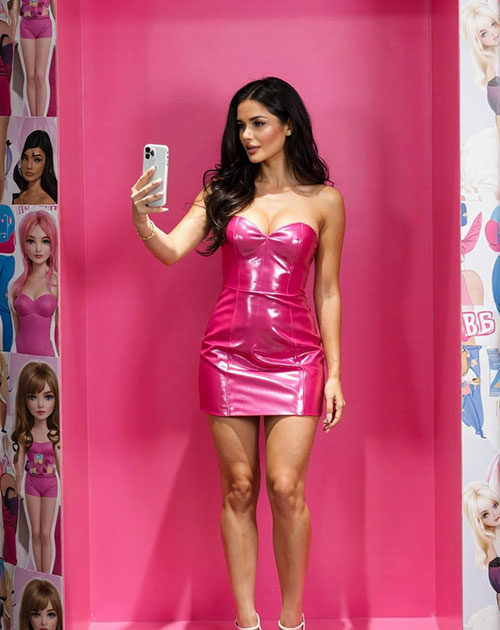
- Choosing Barbie inspired outfits
- Designing doll like makeup and styling
- Planning soft and polished lighting setups
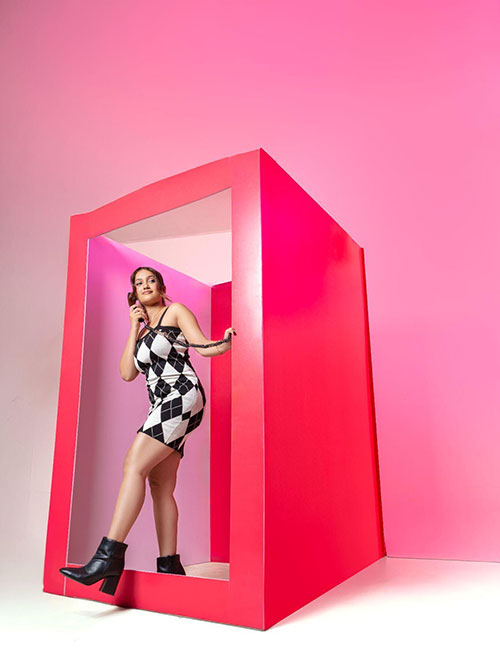
- Creating a life sized Barbie box as a central prop
As a photographer, Every detail, from pose direction to lighting angles, was controlled to achieve consistency and aesthetic clarity.
Execution: Bringing the Concept to Life
During the photography session, models were directed to maintain controlled, almost emotionless expressions to create a mannequin like presence.
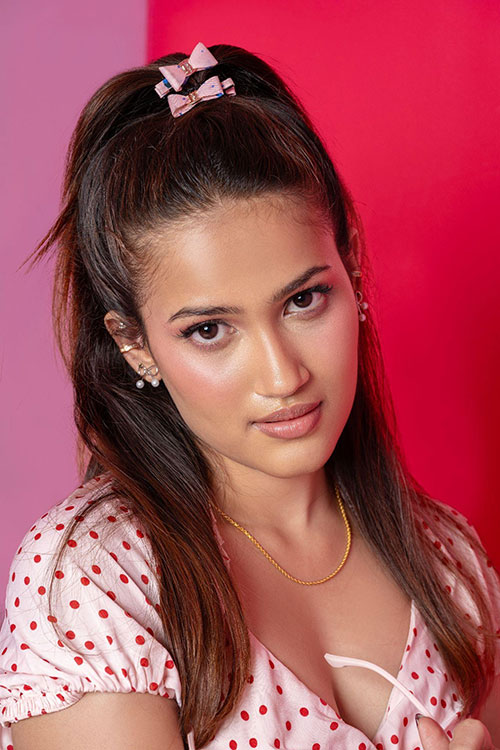
Poses were structured and deliberate, avoiding natural spontaneity to emphasize manufactured perfection.
Lighting played a crucial role. I used techniques that combined dramatic contrast with smooth, flawless illumination. This enhanced the artificial and polished quality of the visuals.
Each frame was carefully composed to balance fashion aesthetics, storytelling, and conceptual depth.
Post Production: Enhancing the Narrative
Post production was key in refining the visual message.
Using tools like Adobe Photoshop and Lightroom, I focused on:
- Smoothing skin to achieve a near perfect finish
- Enhancing pink and pastel tones for a cohesive look
- Improving sharpness and clarity for a polished result
The goal was not just correction but amplification. The images were intentionally made hyper perfect to reflect and critique unrealistic beauty standards.
Final Outcome: Visual Storytelling with Meaning
The final outcome is a series of images that blend high fashion photography, Barbie inspired aesthetics, and conceptual storytelling.
- High-fashion Photography: The images possess the impeccable polish, sophisticated styling, and dramatic lighting characteristic of elite editorial and luxury advertising campaigns. This lends the visuals an immediate sense of glamour, aspiration, and technical mastery.
- Barbie-inspired Aesthetics: A palpable influence from the iconic doll introduces elements of vivid, saturated color palettes (often featuring pinks, magentas, and highly stylized pastels), plastic-like perfection, and an almost hyper-real, fantastical setting. This aesthetic choice is key to both the initial attraction and the underlying critique.
- Conceptual Storytelling: Beyond mere surface beauty, the photographs are crafted to convey a deeper, intellectual message. They move past simple documentation to use symbolic elements, composition, and model expression to communicate a specific concept or idea.
The visuals are glamorous and visually striking, yet they carry a deeper message. They encourage viewers to question what lies beneath the surface of perfection and reflect on the artificial nature of modern beauty standards. By combining aspiration with critique, the project uses beauty itself as a tool to challenge the ideals it represents.
Conclusion
The Barbie Effect project is not just about fashion photography, it is about questioning perception. It explores how beauty is constructed, consumed, and internalized in today’s world. Through this project, I learned that photography has the power to go beyond aesthetics and become a medium for meaningful conversation.
This project was also presented at the ICAT College Graduation Showcase, where it was displayed among diverse creative works. Showcasing my project in a public space allowed me to understand how viewers interpret and respond to conceptual photography, while also giving me valuable feedback from peers, faculty, and industry professionals.
At ICAT College of Design & Media, this experience helped me realize that impactful visuals are not just seen, they are felt and questioned.
Explore more student project blogs to see how innovative ideas are brought to life.