
In a world driven by visuals, photography has evolved from being a hobby to a powerful medium of storytelling, communication, and professional expression. Whether it is advertising, fashion, journalism, films, or digital content creation, photography lies at the heart of how stories are told today. If you are someone who loves capturing moments, observing details, and expressing ideas visually, a career in photography could be the perfect path for you.
Choosing to study photography, especially at a specialised institute like ICAT's Department of Photography, can open up exciting, dynamic, and fulfilling career opportunities.
Relevance of Photography Education
Photography is highly competitive and constantly evolving. While it is easy to get started today, building a successful career requires much more than just basic skills. You need to develop a unique style, understand how to present and market your work, and keep up with changing technology. At the beginner level, there are many people trying to enter photography, which can make it feel crowded. However, better opportunities are available for those with strong skills, creativity, and a professional approach. So, learning properly and improving your skills over time is important for lasting success.
Photography today is not just about clicking pictures – it is about creating meaning. Every image you see on social media, in advertisements, films, magazines, and even educational platforms is carefully crafted to communicate ideas. Photography education plays a crucial role in shaping how we create and understand images in today's visual world. It involves understanding what makes an image meaningful and impactful. While anyone can click a photo today, what sets a professional apart is the thought, intention, and responsibility behind every image. According to a research article titled "This profession is not doomed: photography educators and students re-evaluating professionalism in the digital attention economy" by Liudmila Voronova, published in the journal Media Practice and Education (2024), this distinction comes down to trust and the "believability" of the professional photographer's practices and products. Through proper training, students learn to approach photography with clarity, ethics, and purpose. They also create visuals that not only look good but also communicate the right message that has a positive impact.
As a photography student, you should learn how to:
- Tell compelling visual stories
- Capture emotions and moods
- Understand lighting, composition, and perspective
- Create images that influence audiences.
In a fast-paced digital world, visual content is consumed faster than text, making photography one of the most impactful creative skills you can master.
What You Learn in a Photography Course
A structured photography course goes far beyond basic camera handling. It equips you with both technical expertise and creative vision.
At ICAT, you will be trained in areas such as:
- Fundamentals of photography (lighting, exposure, framing)
- Studio and outdoor photography techniques
- Photo editing and post-production
- Visual storytelling and concept development
- Portfolio creation and professional presentation.
You will gain hands-on experience with industry-relevant tools and software, allowing you to build confidence and competence simultaneously. More importantly, you will learn to see – to observe light, textures, expressions, and moments that others might overlook.
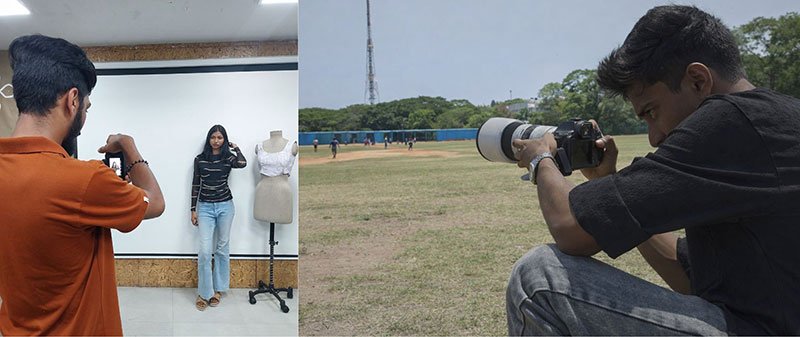
Figure 1: Students at ICAT gain hands-on experience across photography genres, including portrait, fashion, travel, and sports.
You will also work on real projects and explore different styles, lighting setups, and shooting environments. This helps you discover what you enjoy and where your strengths lie. With this kind of practical exposure, you can build a strong portfolio and gain the confidence needed to step into the professional world of photography.
Career Opportunities in Photography
One of the biggest advantages of pursuing photography is the diversity of career paths available. As a trained photographer, you are not limited to one field – you can explore multiple industries based on your interests. Many beginners start by working with advertising agencies, media houses, e-commerce brands, production studios, and event management companies, where photographers are needed for content creation and campaigns. You can also work with magazines, news organisations, or digital marketing teams. At the same time, freelancing allows you to take on different projects, work with multiple clients, and build your own style and brand over time.
Some exciting career options include:
Wedding and Event Photography: Document meaningful moments at events and build a rewarding freelance career.
Fashion Photography: Work with designers, brands, and magazines to create visually striking images.
Wildlife Photography: Capture the beauty of nature and contribute to environmental awareness.
Product and Commercial Photography: Create images for advertisements, e-commerce platforms, and branding campaigns.
Photojournalism: Tell real-world stories through powerful and impactful imagery.
Food and Lifestyle Photography: Collaborate with restaurants, influencers, and brands in the growing digital content space.
Sports Photography: Capture on-field actions and emotions as well as behind-the-scenes happenings in the world of sports.
Apart from these, you can also explore specialised areas such as pet photography, baby photography, maternity shoots, travel photography, architectural photography, and fine art photography. You may also work as a Studio Manager, handling shoots, teams, and production workflows. Over time, many photographers choose to specialise further, lead creative teams, or even start their own photography studio or independent venture. As a freelancer or even as a studio owner, photography gives you the freedom to work across different fields, take on varied projects, and build a career that matches your interests and creative style.
With experience, you can move beyond shooting and take on more advanced roles within the industry. You could work as a Photo Editor, where you select, refine, and manage images for magazines, agencies, or digital platforms. Roles like Creative Director or Visual Content Strategist involve planning the overall visual style and storytelling for brands and campaigns.
Is Photography the Right Career?
If you find yourself constantly noticing details, framing moments in your mind, or feeling inspired by visuals around you, photography might be an ingrained skill in you that needs honing.
Ask yourself:
- Do I enjoy observing and capturing moments?
- Am I curious about how images tell stories?
- Do I want a career that combines creativity with freedom?
If your answer is 'yes', then photography is not just a career – it is a way of seeing the world and experiencing life.
Final Thoughts
A career in photography offers not only creative satisfaction but also immense professional growth. With the right training, dedication, and vision, you can turn your passion into a meaningful and successful career.
At ICAT, you will not just learn to take pictures – you will be trained to create impact, tell stories, and build a future in the ever-evolving world of visual media. So if you are ready to explore your creativity and step into a world of visual storytelling soon after Plus Two, opting for B.Sc. Photography could be the right decision.