
Who Can Become a UI UX Designer?
A first-year student once walked into a design studio at ICAT College of Design and Media and said, "I love apps… but I keep wondering why some are so frustrating to use."
She wasn't talking about colours or logos. She was talking about booking failures, confusing menus, and buttons that didn't behave the way users expected. That curiosity — questioning why digital experiences work or fail — is often the first step toward a career in UI UX Design.
Today, every successful app, website, or digital platform depends on designers who can identify user problems, understand business needs, and create meaningful solutions. This growing demand has made UI/UX one of the most sought-after creative technology careers.
If you are planning to pursue a UI/UX design courses, understanding eligibility criteria is the first step.
What is UI/UX Design?
Before discussing eligibility, let's simplify the idea.
- UI (User Interface) Design focuses on visual experience — layouts, typography, colours, icons, and interface aesthetics.
- UX (User Experience) Design focuses on usability — how smoothly users interact with a product.
Simply put:
- UI is how it looks
- UX is how it works
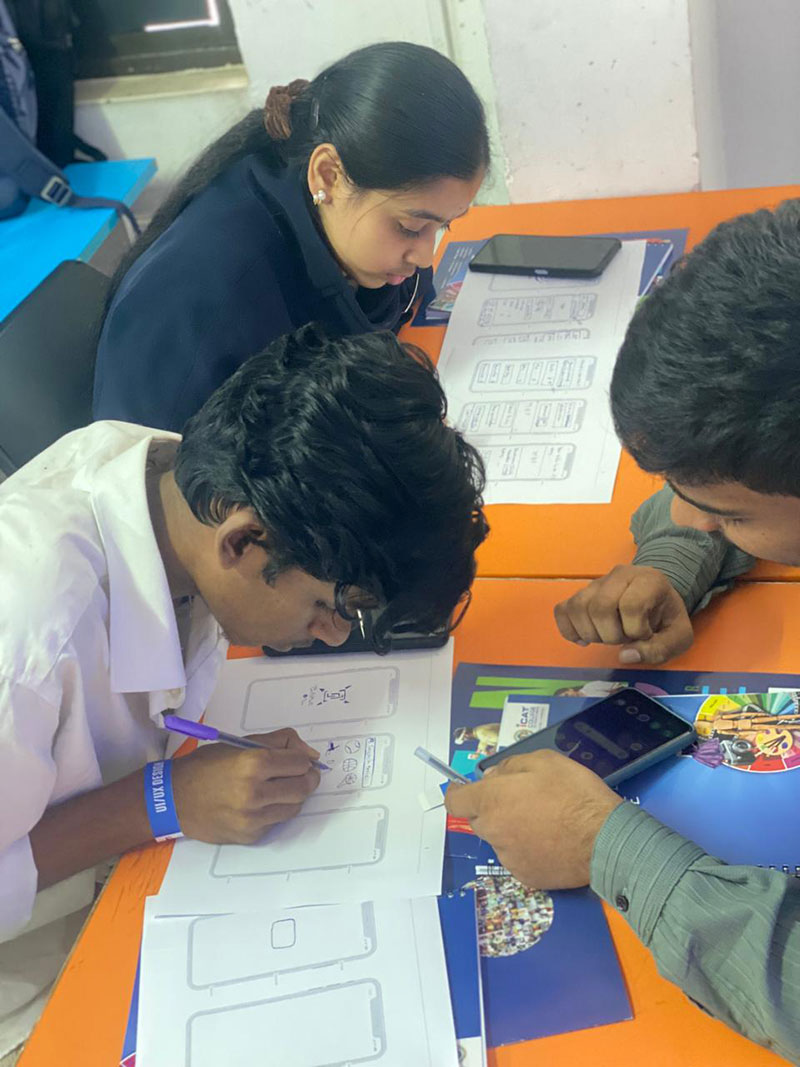
A successful designer understands both creativity and functionality while also identifying business gaps—areas where user needs and business goals do not align.
Why Business Understanding Matters in UI/UX
Modern UI/UX designer training are not just focused on visual creators. They groom problem solvers.
Designers study:
- Why users abandon an app
- How customer journeys fail
- Where businesses lose engagement
- How digital products can improve conversion and usability
- The ability to observe gaps, analyse behaviour, and ideate solutions is central to UI/UX education today.
Eligibility for Undergraduate (UG) UI/UX Design Programs
Students who have completed Class 12 from a recognized board are eligible to apply for undergraduate UI/UX design programs, regardless of whether they come from Science, Commerce, or Arts streams. Most programs require a minimum aggregate of around 45–50%, although this may vary depending on the institution.
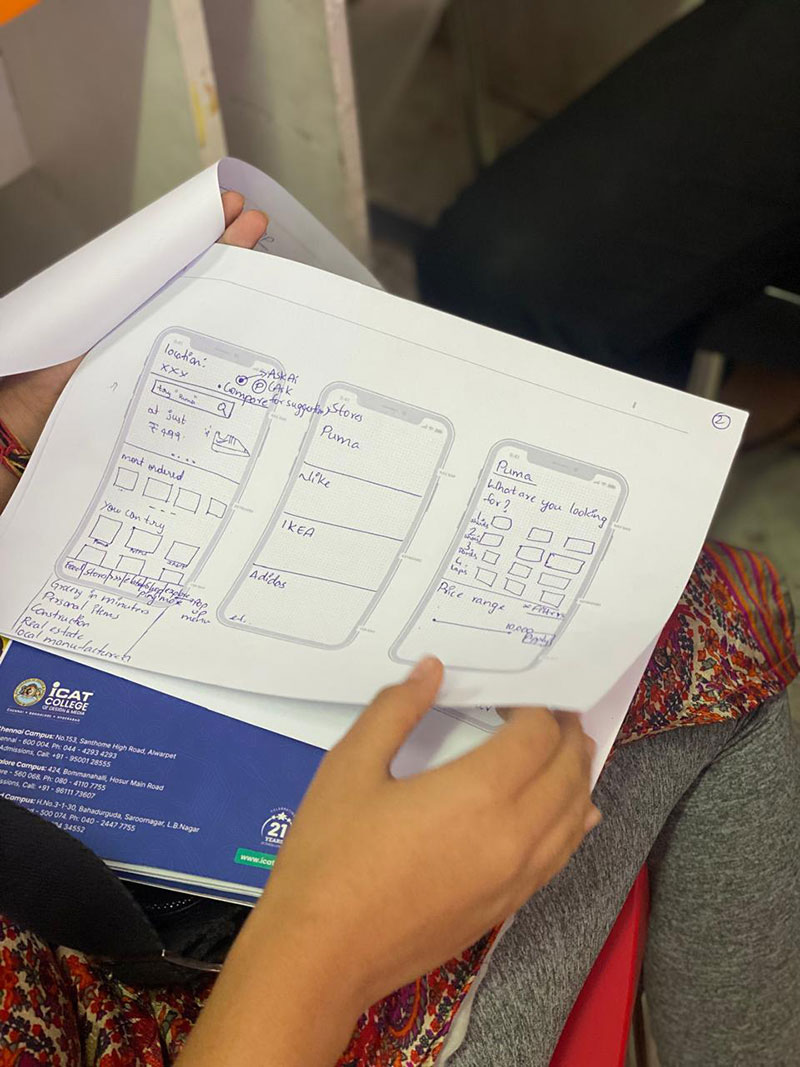
There are no compulsory subjects needed to pursue UI/UX design; however, having basic computer knowledge, creative thinking ability, logical reasoning skills, and an interest in digital platforms can be advantageous. Undergraduate UI/UX programs focus on building strong foundational skills in UI design principles, UX research, wireframing, prototyping, visual communication, interaction design, and basic development concepts. Through this learning process, students gradually understand how creative ideas evolve into practical, user-friendly digital products such as apps and websites.
Why Choose ICAT College of Design and Media for UI/UX?
Choosing the right institution matters as much as eligibility itself.
1. Design + Development Approach
At ICAT College of Design and Media, students learn not only design tools but also how digital products are built through:
- UI design practices
- UX methodologies
- Front-end development fundamentals
This prepares students to collaborate effectively with developers and product teams.
2. Industry-Oriented Learning-
At ICAT, students work on-
- Real-time projects
- Case studies
- Problem-solving exercises
- Portfolio-driven assignments
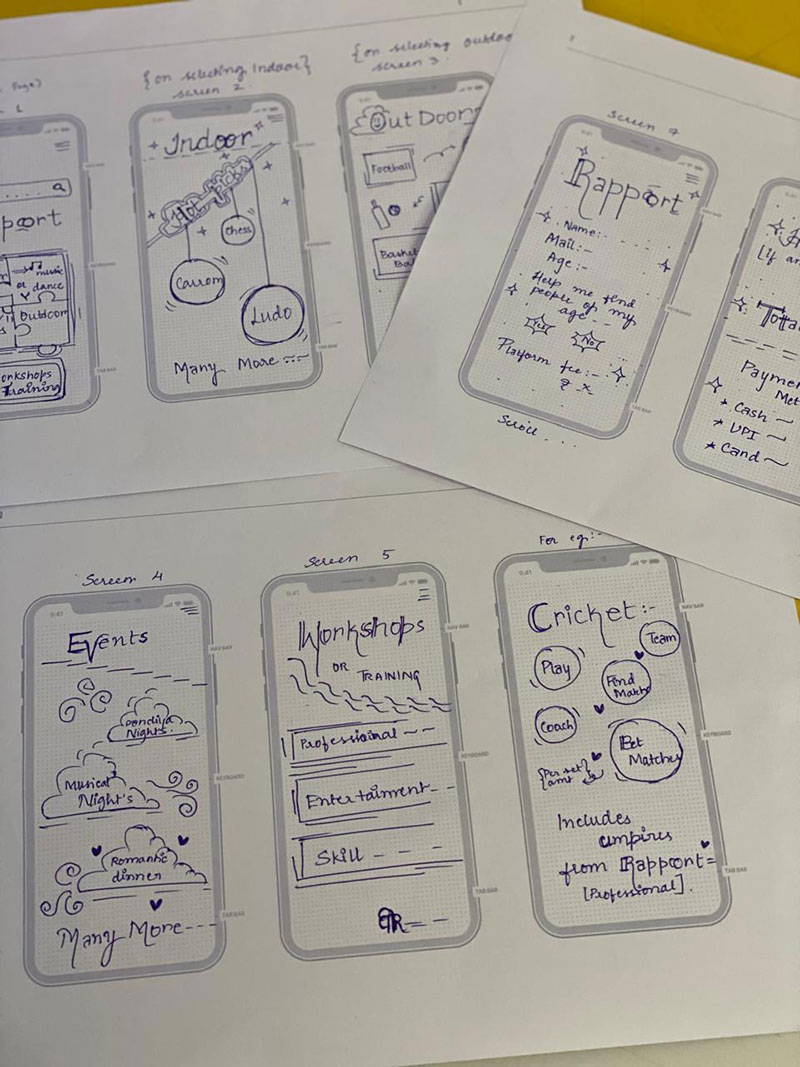
Learning focuses on identifying real business challenges and designing user-centred solutions.
3. Career Opportunities
After completing UI/UX training from ICAT, graduates can pursue roles such as:
- UI Designer
- UX Designer
- Product Designer
- Interaction Designer
- UX Researcher
With digital transformation accelerating across industries, demand for UI/UX professionals continues to rise globally.
Key Takeaways
UI/UX Design welcomes students from all academic streams because success in this field depends less on prior subjects and more on curiosity, empathy, analytical thinking, and creativity.
If you enjoy understanding people, spotting problems, and imagining better digital experiences, UI/UX could be the right path for you.
At ICAT College of Design and Media, students learn to bridge creativity with technology and business thinking — transforming ideas into impactful digital solutions.
Your journey into designing meaningful user experiences can begin right after Class 12 or even after graduation. All it takes is the willingness to observe, question, and innovate.