
Imagine putting on a light linen shirt on a humid Chennai morning and pairing it with wide-leg pants that move comfortably as you hurry to a meeting. On another day, you may choose soft joggers and a simple white T-shirt for a work-from-home routine that ends with an evening walk along Marina Beach. This is not just about following fashion trends. It is about making fashion part of everyday life. Clothes influence posture, mood, and even the way people approach opportunities during the day.
Fashion is not only about decoration. It shapes how people move through the day. The right clothes can boost confidence, reduce daily stress, and reflect a person's changing identity. Studies in psychology show that clothing can influence the way people think and behave. Formal clothing often encourages focused and structured thinking, while casual clothing can support creativity and relaxed thinking.
A Ritual That Sets the Tone
Every morning begins with the simple but important decision of what to wear. For many people, this choice happens quickly in front of a crowded wardrobe. But when seen as a mindful routine, dressing becomes a moment to prepare mentally for the day ahead.
On relaxed Sundays, a lady may prefer pastel cotton kurtas that are soft and breathable, perfect for reading, relaxing, or enjoying brunch with family. During demanding workdays she may choose structured salwar suits that help her feel organised and confident before stepping into meetings.
In India, where traditional and modern lifestyles blend, clothing choices often reflect this balance. Sarees paired with modern blouses, fusion wear, or comfortable ethnic outfits allow people to move easily between work, social life, and family responsibilities. Comfortable footwear can suit quick errands, while supportive sneakers help during long commutes on busy city buses. When clothing matches daily routines, people move through the day with greater ease.
Beyond Social Media Fashion
Social media platforms often show perfectly styled outfits in carefully planned photographs. However, real lifestyle fashion is more practical. It is about dressing for the realities of everyday life, whether it is a workout session, caring for children, or handling professional meetings.
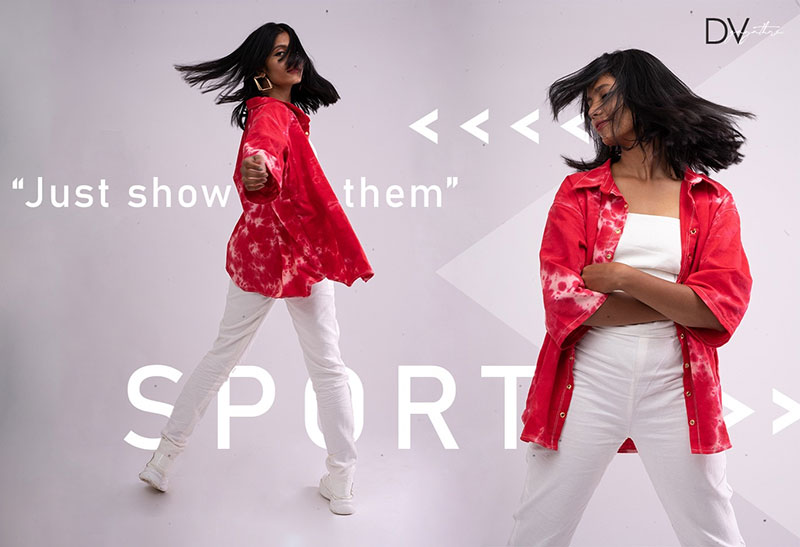
Figure 1. Express your style.
For people constantly moving between offices, co-working spaces, and quick street-side meals, breathable fabrics such as cotton or bamboo blends work best. Those who work remotely often choose comfortable yet neat clothing that looks presentable during online meetings but still feels relaxed. Weekends allow more freedom in style. Flowing kaftans, relaxed jeans, or statement accessories allow people to express personality while staying comfortable. Practical wardrobes prove that good style depends more on flexibility than on owning many clothes.
The Real Style Statement
Expensive brands are not necessary to create strong personal style. What truly matters is wearing clothes that feel authentic and comfortable. Confidence naturally grows when people feel at ease in what they wear.
For a man, a loose linen blazer worn over a simple T-shirt may help feel confident during meetings. Clothing that suits personal comfort and personality often changes how people carry themselves, from body posture to the way they interact with others. Light linens may suit busy workdays, while calm pastel shades may help create a sense of rest and balance. Psychologists describe this idea as enclothed cognition. Clothing can influence behaviour and confidence, not just appearance.
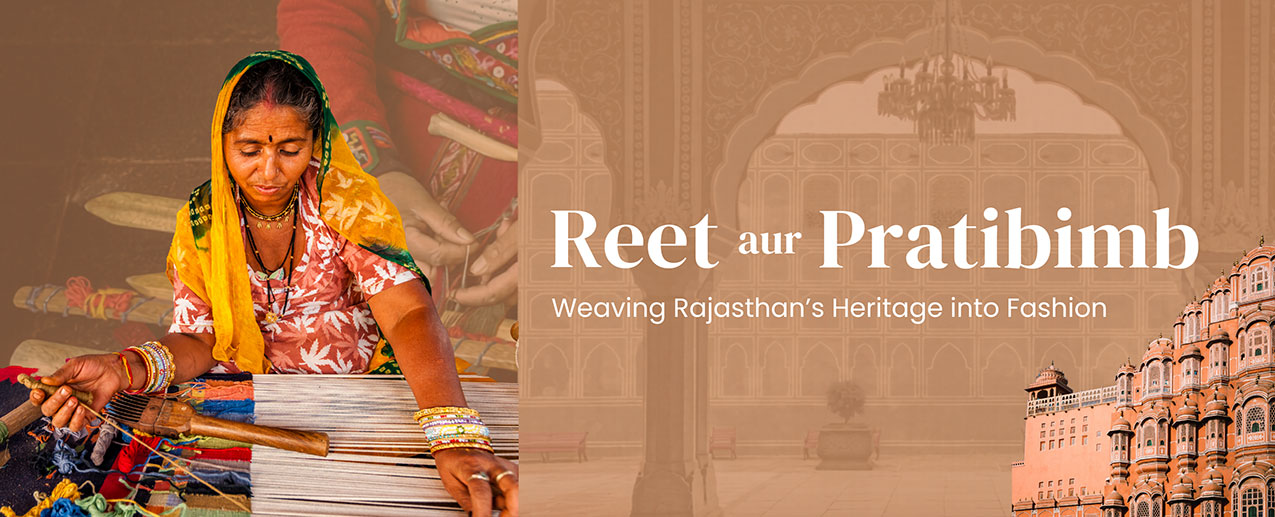
Fashion trends come and go quickly, but personal style lasts longer. Building personal style often involves understanding one's body, lifestyle, and preferences. Some people are comfortable in earthy tones, while others prefer bold patterns and colours. In India's diverse cultural landscape, regional textiles also play an important role. Fabrics such as Bandhani can bring tradition into everyday clothing while expressing cultural identity.
A Clutter-Free Closet
Lifestyle fashion also encourages thoughtful shopping. Instead of buying many items, people can focus on fewer, better choices. A simple question before purchasing can help: Will this piece be worn often? Does it fit daily routines such as work, social visits, or family occasions?
Choosing quality clothing, including garments made by local artisans or sustainable brands, can reduce waste and simplify wardrobes. This approach is part of the growing slow-fashion movement in India. A thoughtful wardrobe focuses on meaningful choices rather than excess.
Life also changes over time. A new job, parenthood, or relocation may influence clothing needs. The outfits worn during one stage of life may gradually shift as lifestyles evolve. Fashion becomes a form of self-expression that grows along with personal experiences.
Ultimately, fashion and lifestyle are closely connected. Dressing with intention can support comfort, confidence, and personal values. When clothing fits naturally into everyday life, it becomes more than style. It becomes a way of living with clarity, purpose, and confidence.