
Choosing a career in interior designing is an exciting decision, and one of the biggest advantages of pursuing an interior design course is that students from Science, Commerce, or Arts streams are all eligible to apply for a Bachelor of Visual Arts (BVA) in Interior Design. Unlike many professional programs, there is no mandatory academic stream requirement. What truly matters is creativity, spatial imagination, observation skills, and an interest in transforming environments into meaningful human experiences.
Today, students exploring interior design courses after 12th often search for the best interior design schools, interior design colleges, or an interior design course near me to begin their professional journey. Interior Design welcomes diverse learners and nurtures them into skilled professionals through structured interior design programs that combine creativity with technical expertise.
Understanding Interior Designing Beyond Decoration
Interior designing goes far beyond aesthetics or decoration. It is the art and science of designing functional, safe, and emotionally engaging spaces. Well-designed homes enhance comfort, thoughtfully planned offices improve productivity, and commercial interiors influence customer behaviour and brand perception.
Through a professional interior design degree, students learn how spatial planning impacts mood, efficiency, and well-being—making interior designers key contributors to modern living environments.
Where Creativity Meets Professional Training
A BVA Interior Design or BSc Interior Design program builds strong foundations through studio-based learning and practical exposure. Students develop skills in:
- Space planning and zoning
- Colour theory and material application
- Furniture and lighting design
- Technical drawing and model making
- Ergonomics and building services integration
- Digital visualization and interior 3D design
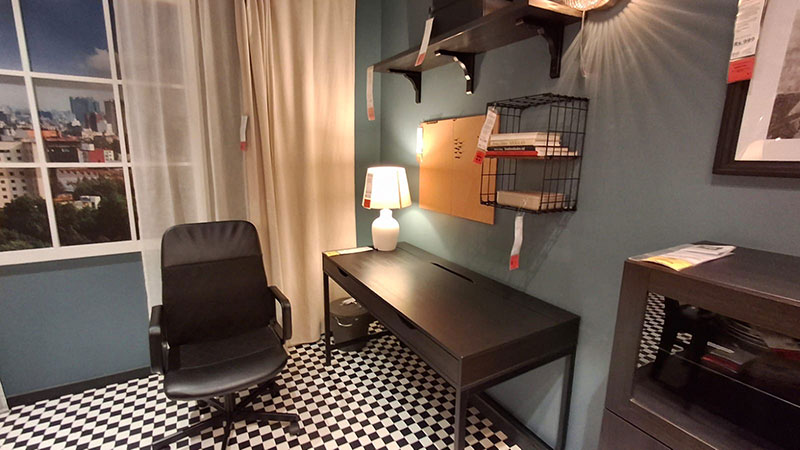
These competencies prepare learners for the best interior designing practices followed globally. Students comparing interior design course duration, interior design course fees, or overall interior design course and fees structures often find that comprehensive programs emphasize hands-on learning alongside conceptual understanding.
Industry Exposure & Practical Learning
Leading best colleges for interior design emphasize learning beyond classrooms. As part of professional training, students gain exposure through:
- Live residential and commercial projects
- Design exhibitions and competitions
- Construction site visits
- Industry expert interactions
- Portfolio development from the first year
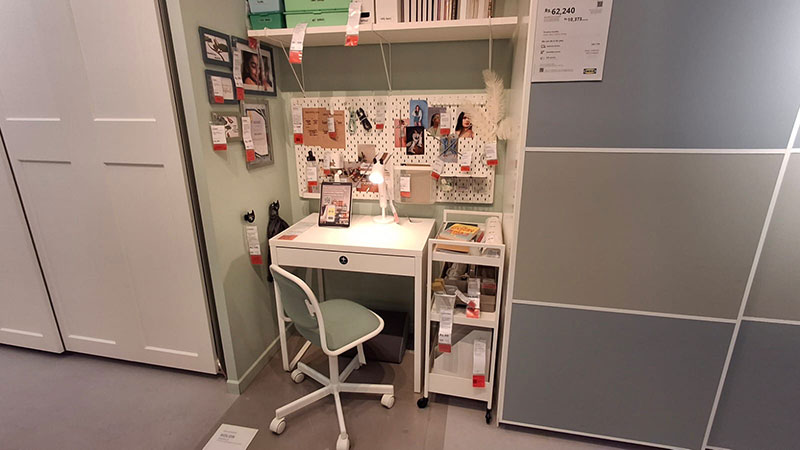
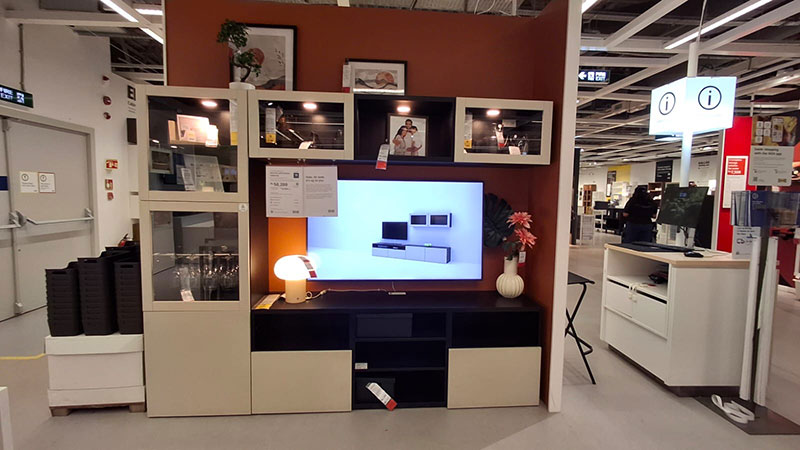
A notable experiential learning initiative includes a field visit to the IKEA store by the students of ICAT College of Design and Media, Bangalore where they study contemporary workplace and office design systems. During this visit, learners analyze spatial organization, modular furniture solutions, lighting layouts, circulation planning, and ergonomic workspace design. Observing real office environments helps students understand how global brands integrate functionality, user psychology, and efficiency into interior planning. Such exposure bridges theoretical learning with real-world applications, strengthening professional readiness.
Foundations of Interior Design Education
Students pursuing a BA Interior Design, BSc degree in Interior Designing, or other best interior design degrees develop expertise in:
- Space Planning and Circulation
- Scale, Proportion, and Balance
- Colour Psychology
- Lighting Design
- Materials, Textures, and Finishes
- Technical Drawings and Layouts
- Ergonomics and Human Comfort
These principles form the backbone of professional interior practice.
Career Opportunities in Interior Designing
A structured interior design course opens diverse career pathways. Graduates can work as:
- Interior Designers
- Space Planners
- Furniture Designers
- Exhibition Designers
- Interior 3D Visualizers

They may join architecture firms, real estate companies, retail brands, or establish independent studios. With growing urbanization and demand for experiential environments, the career in interior designing continues to expand globally.
Students may also pursue advanced specialization through interior design master programs, enabling leadership roles in design research, sustainable interiors, and global design practice.
Final Thought
In today's design-driven world, success in interior design depends not on academic stream but on creativity, curiosity, and spatial thinking. A well-structured interior design program transforms imagination into professional capability, preparing students to design spaces that enhance everyday life.