
Sustainable fashion is revolutionising the industry by slashing environmental damage, upholding ethical labour, and favouring durable styles over fast fashion's throwaway model. The fashion sector now spews 11% of global carbon emissions—more than international aviation and shipping combined—and dumps 92 million tons of textiles into landfills yearly, according to the UN Environment Programme.
Microplastics from synthetics, shedding 0.5 million tons annually into oceans, poison marine life like fish and seabirds, while toxic dyes foul rivers in production hubs like Bangladesh and India, affecting millions downstream. The shift to sustainable fashion prioritises planetary health, human rights, and viable economics, with the sustainable market growing 15% yearly to $12 billion in 2025, driven by Gen Z shoppers who demand eco-accountability.
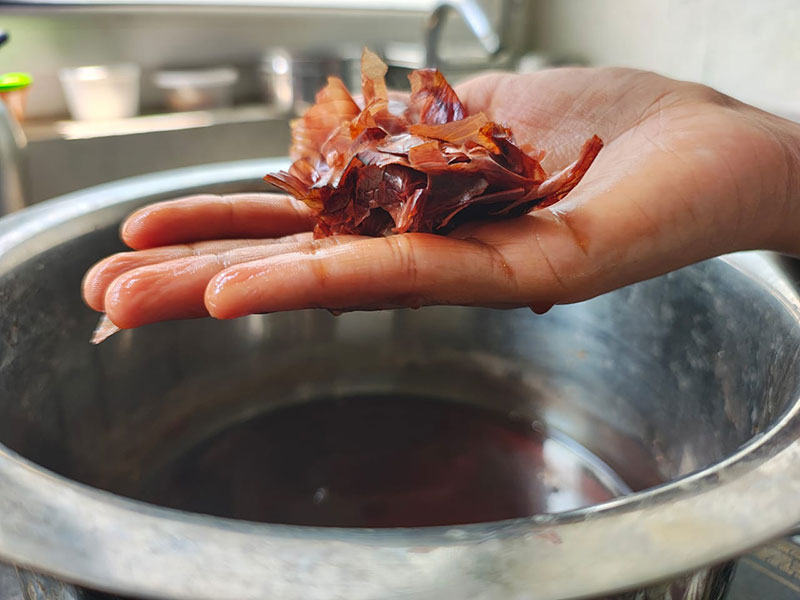
Figure 1. Preparing natural dyes using onion peels.
Sustainable practices cut waste through reduce, reuse, recycle: buy less, wear clothes longer, and repurpose textiles. Yet global recycling rates linger at just 1%, demanding better collection infrastructure and consumer habits—though 2025 pilots in Europe using AI sorting have boosted local rates to 12%. Upcycling turns trash into treasure, like turning old denim into bags, reducing the 15,000 garments discarded globally per second.
Sustainable Materials and Practices
You may opt for renewables like organic cotton (71% less water than conventional), hemp, linen, Tencel from eucalyptus, or recycled polyester from bottles—now 30% of polyester production. Innovations include mushroom-based Mylo leather or Piñatex from pineapple leaves, slashing resource use by up to 90% compared to animal leather. Back ethical brands ensuring safe factories, fair/living wages, and gender equity—crucial since 75 million workers, mostly women, endure exploitation in unsafe conditions.

Figure 2. Clothing made out of eco-friendly materials.
You may choose timeless designs: high-quality, versatile pieces outlast trends, curbing impulse buys. Minimise pollution via renewable energy, zero-waste patterns, and chemical controls; blockchain now tracks supply chains for true transparency, with 40% of brands adopting it by 2026.
Benefits of Sustainable Fashion
Sustainable fashion fosters circularity—designing for longevity, resale, recycling—to divert textiles from landfills, where they fester 200+ years and release methane. It lowers emissions: organic cotton sequesters carbon, unlike pesticide-laden conventional farming, cutting a garment's footprint by 46%.
Sustainable fashion is safer for wearers: skips carcinogens like azo dyes, aiding allergy sufferers and reducing skin issues by 30% in studies. It empowers workers via fair trade, from Indian artisans to global factories, lifting wages 20-50% higher. It delivers quality value—a $200 sustainable jacket endures beyond five $40 fast-fashion knockoffs—while resale markets like ThredUp hit $53 billion in 2025 value (projected $77 billion by 2027), boosting local economies and creating 5,00,000 jobs worldwide.
Challenges and Innovations
Fast fashion titans like Shein and Zara push cheap trends, but consumer revolts, NGO exposés like the 2025 Detox campaign, and EU Digital Product Passports force lifecycle transparency. Rental (Rent the Runway) and resale apps (Depop, Vinted) extend garment life, with resale hitting $39 billion in 2025 and growing 18% yearly.
Tech leads: 3D knitting cuts waste by 40%, AI optimises patterns for zero scraps, algae dyes replace petroleum with 80% less energy, and robotic sorters process mixed textiles efficiently. Certifications like GOTS and B Corp combat greenwashing.
Top Eco-Friendly Brands
Patagonia: Recycled fabrics, repair services, 1% for the Planet funds conservation—donated $100 million since 2025.
Pangaia: Plant dyes, bio-fabrics, ocean cleanups—removed 1 million plastic bottles in 2025.
Vuori: Recycled nylon activewear with steep emission cuts—45% lower than rivals.
Finisterre: Ocean plastic yarns aid marine protection—partnered with 50 beaches in 2026.
Passenger: Trees planted per adventure gear item—1 million trees by mid-2026.
Karnam: Chennai handloom organic cotton honours Indian roots—zero-waste weaving.
Reformation, People Tree, Amour Vert: Upcycled Fair Trade organics—carbon-neutral certified.
Newcomers: Girlfriend Collective (bottle-recycled), Everlane (transparent pricing), Savile Row (sustainable suiting), Stella McCartney (vegan tech)—all GOTS-approved.
Upcycling Projects: Fashion with Purpose
Upcycling garments is the creative process of transforming old, damaged, or discarded clothing into new, higher-quality, and fashionable items. It breathes new life into textiles without breaking down the material, reducing waste and the need for new raw materials.
Transform T-shirts into totes: cut sleeves/collar, sew hem (or knot for no-sew)—perfect for market runs. Turn scarves into belts, headbands, or wraps—zero waste, endless styles. Crop oversized shirts to off-shoulder tops with elastic—add fringe for flair. Hem old jeans into shorts; stitch panels for A-line skirts—distress edges for vintage vibe. Sew scraps into patchwork quilts for heirlooms—layer with batting for coziness.
Shop thrift first, mend via apps like Sojo (now in 20 cities), petition for transparency laws, and boycott greenwashers—track with Good On You's 2026 ratings. (Greenwashing is the deceptive marketing tactic of conveying a false impression or misleading information that a company's products are more environmentally friendly than they actually are.) Sustainable fashion is no fad; it is a movement for conscious living that heals people and the planet through ethics, innovation, and creativity, with a vast majority of consumers pledging loyalty.