
Have you ever bought a trendy outfit that looked great in the store but somehow did not feel right when you wore it? Many people experience this confusion. The reason lies in misunderstanding three related concepts – clothing, fashion, and style. These terms are often used interchangeably. But, they represent different layers in the world of dress and personal appearance. Understanding the difference can help individuals build a wardrobe that is not only attractive but also authentic.
In the world of fashion, clothing refers simply to the garments we wear, fashion represents the popular trends of a particular time, and style reflects an individual's unique way of expressing themselves through clothing. Recognising the difference between these concepts can help people build a wardrobe that is not only visually appealing but also truly reflects their personality.
Clothing: The Fundamental Necessity
At the most basic level, clothing refers to the physical garments people wear. These are the tangible items found in our wardrobes—shirts, trousers, skirts, jackets, sweaters, sarees, or dresses. Clothing is the practical foundation of human dress and has existed in every civilisation.
Clothing also serves purposes of modesty, cultural identity, and occupational requirement. For example, uniforms worn by doctors, chefs, or construction workers are forms of clothing designed for safety and professional identification. A doctor's white coat signals hygiene and medical authority, while a construction worker's reflective jacket and helmet improve visibility and protection on a worksite. Similarly, school uniforms around the world represent discipline and equality among students.
Clothing can also reflect cultural heritage. A saree worn during festivals in India, a kimono in Japan, or a kilt in Scotland are not merely garments but also symbols of tradition and identity. Even within everyday life, clothing choices often communicate social roles or occasions—formal suits for business meetings, athletic wear for exercise, or protective raincoats during monsoon seasons.
Despite these technological changes, the essential trait of clothing remains 'utility'. Clothing is what we wear first to meet daily needs. Without clothing, there can be no outfit, no fashion trend, and no individual style. It is the foundation upon which fashion and style are built.
Style: The Personal Expression
If fashion represents what society is currently wearing, style represents how an individual interprets and expresses those choices. Style is deeply personal. It reflects personality, cultural backgrounåd,ß lifestyle, and confidence.

Figure 1. Kurtha
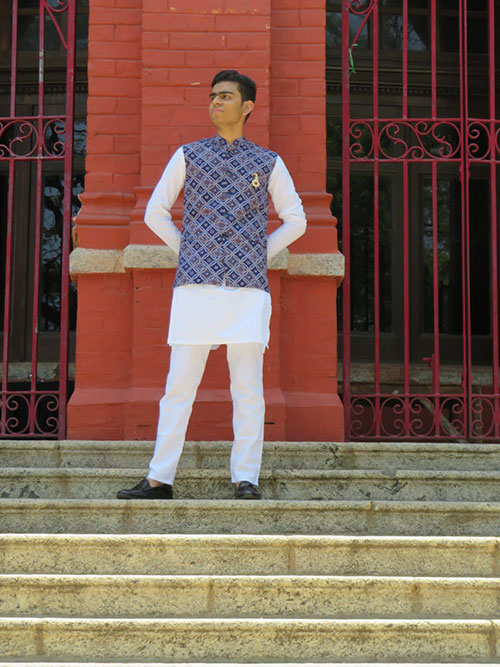
Figure 2. Style with waist coat
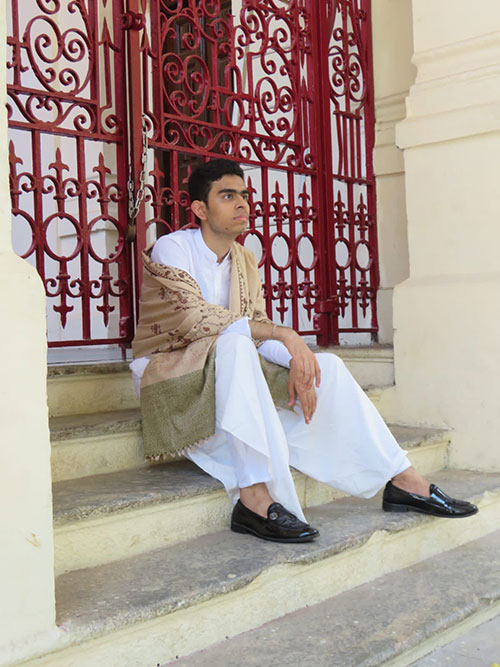
Figure 3. Style with stole
Style is not limited to the garments themselves. It includes how a person combines clothing pieces, accessories, colours, and textures to create a distinctive appearance. Two people may wear similar clothing items, but their overall look can be completely different because of how they choose to wear them.
The most important characteristic of style is consistency and individuality. While fashion changes frequently, personal style tends to remain more stable over time. Many well-known personalities are remembered not for following trends but for developing a signature style that reflects their identity.
Personal style is not expressed only in everyday life but also through digital platforms. Social media profiles, personal branding, and online fashion communities provide spaces where individuals can showcase their outfits, gain inspiration, and refine their look. Platforms like Instagram, Pinterest, and TikTok allow users to share styling ideas, follow trends, and connect with others who have similar fashion interests. As a result, personal style today is shaped not only by individual taste but also by the dynamic exchange of ideas within global digital communities.
Moving Beyond Trends
Understanding the difference between clothing, fashion, and style encourages a more thoughtful approach for dressing. Anyone can buy fashionable clothing, but developing genuine style requires reflection and confidence. It means choosing garments that suit one's personality and lifestyle rather than simply following trends promoted by magazines or influencers.
In today's world—where trends change rapidly and wardrobes often overflow with unused garments—this distinction becomes even more important. Investing in clothing that aligns with personal style not only improves confidence but also encourages more sustainable and mindful consumption.
Fashion may change with every season, but true style endures. When people understand how clothing, fashion, and style relate to each other, dressing becomes more than a routine activity—it becomes a creative form of self-expression.