
In the misty hills of Kodaikanal, architecture is not just about building structures; it is about shaping experiences that connect people with nature. Surrounded by forests, valleys, and cool climate, this hill station attracts thousands of tourists every year. However, this growing tourism also puts pressure on the fragile ecosystem. Trees are cut down, slopes are altered, and waste management becomes difficult. My student project, Floating Resort in Kodaikanal, explores a new way of designing that respects nature while still creating memorable spaces for people.
Understanding the Problem
Hill stations like Kodaikanal were not originally designed to handle large crowds. As more hotels and resorts are built on steep slopes, the land becomes unstable. Soil erosion increases, natural drainage patterns are disturbed, and biodiversity is affected. Many buildings require heavy excavation, which permanently alters the landscape.
A key site for this project is Kodaikanal Lake, an artificial lake that is already a major tourist attraction. Instead of building more structures on land around the lake, this project asks a simple question: "What if we build on water instead of land?"
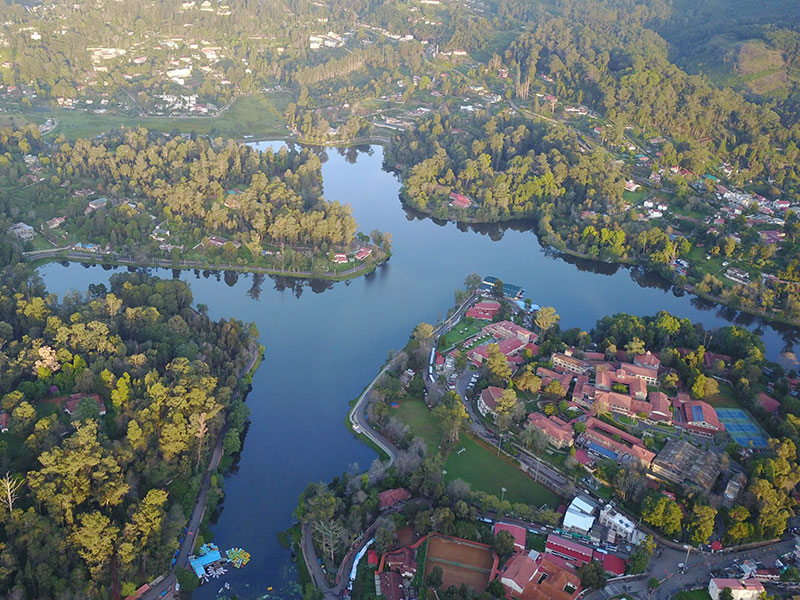
Figure 1. Kodaikanal Lake is an artificial lake that was created mainly for recreational activities.
Shift from Land to Water
The idea of floating architecture is not entirely new. Around the world, cities like Amsterdam have experimented with floating homes to deal with rising water levels. Similarly, in places like Kerala, houseboats have long been used as a tourist attraction. Inspired by such examples, this project adapts the concept to a hill station context.
By shifting construction from land to water, we can reduce damage to the terrain. Floating structures do not require deep foundations or cutting into hillsides. Instead, they rest on buoyant platforms, which can be designed to be stable and safe. This approach significantly reduces the environmental footprint of construction.
Design Inspired by Nature
The design of the resort takes inspiration from natural forms found on the lake. Think of lily pads floating gently on water or ripples spreading across the surface. These organic shapes guide the layout of the resort.
The resort is made up of multiple floating modules. These include private villas for guests, as well as shared spaces like restaurants, cafés, and activity zones. Instead of straight, rigid pathways, the modules are connected by light wooden walkways that curve and wind across the water. This creates a sense of exploration.
The architectural style avoids sharp edges and box-like forms. Instead, it uses soft curves and flowing lines, making the buildings feel like they belong to the environment. Materials such as wood, glass, and stone are carefully chosen to blend with the surroundings. For example, large glass panels allow guests to see reflections of the sky, trees, and hills, making nature a part of the interior experience.
Material and Construction Approach
For aspiring architects, understanding materials is crucial. In this project, floating platforms can be made using reinforced concrete pontoons or high-density polyethylene floats. These are commonly used in marinas and are designed to last long in water.
The superstructure—the part above the platform—uses lightweight materials to maintain balance. Timber is a preferred choice because it is renewable, visually warm, and blends well with natural surroundings. Locally sourced stone can be used for accents, reducing transportation costs and supporting local industries.
Another important aspect is modular construction. Each unit can be built separately and then assembled on-site. This reduces construction time and minimises disturbance to the environment.
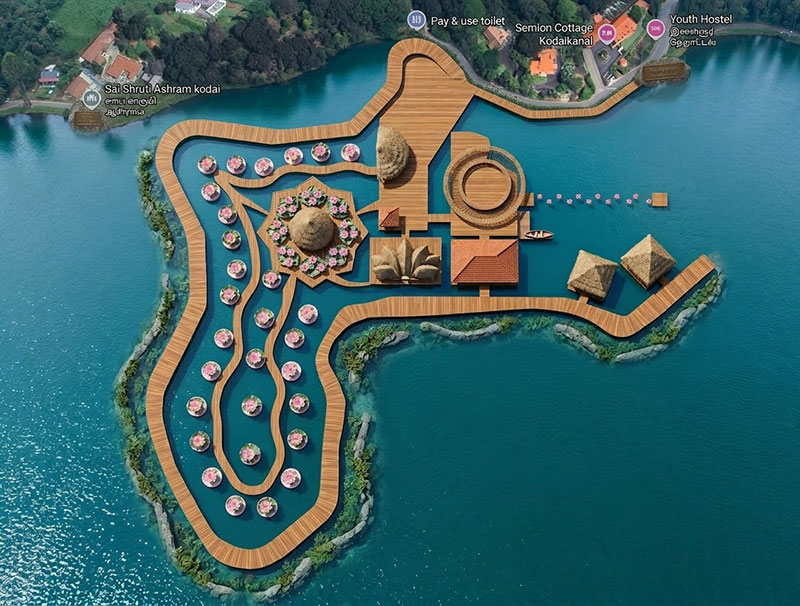
Figure 2. The proposed floating resort with restaurant, retail and water sport activities.
Environmental Sustainability
Sustainability is at the heart of this project. Every design decision aims to reduce environmental impact.
Passive Design: The buildings are oriented to capture natural light and wind. Large openings allow cross ventilation, reducing the need for air conditioning. Roof overhangs and shading devices prevent overheating.
Water Management: Rainwater harvesting systems collect and store water for reuse. Wastewater is treated using eco-friendly systems before being released, ensuring the lake remains clean.
Energy Use: Solar panels can be installed on rooftops to generate renewable energy. This reduces dependence on external power sources.
Waste Management: Proper segregation and treatment of waste ensure that the lake and surrounding areas are not polluted.
By combining these strategies, the resort becomes not just eco-friendly but also educational, showing visitors how sustainable living can be achieved.
User Experience: Living on Water
One of the most unique aspects of this project is the experience it offers to guests. Unlike traditional hotels, where rooms are static, a floating resort creates a subtle interaction with water. Guests may feel gentle movement beneath their feet, hear the sound of water, and see changing reflections throughout the day.
Imagine waking up to mist rising from the lake, stepping onto a wooden deck, and hearing only birds and water. Walking along the pathways becomes a calming activity rather than just movement from one place to another. This kind of environment helps people disconnect from busy urban life and reconnect with nature.
A New Vision for Tourism
This project presents a new direction for tourism in hill stations. Instead of expanding endlessly on land, we can explore alternative approaches that are less harmful. Floating architecture offers flexibility—it can be expanded, modified, or even relocated if needed.
For aspiring architects, this project highlights an important lesson: design is not just about aesthetics, but about responsibility. Understanding the site, respecting nature, and thinking creatively are essential skills.
The Aqua Mimic Floating Resort is more than a design proposal. It is a vision for how architecture can adapt to environmental challenges while still creating meaningful human experiences. By rethinking where and how we build, we can create spaces that do not compete with nature, but gently float alongside it.