
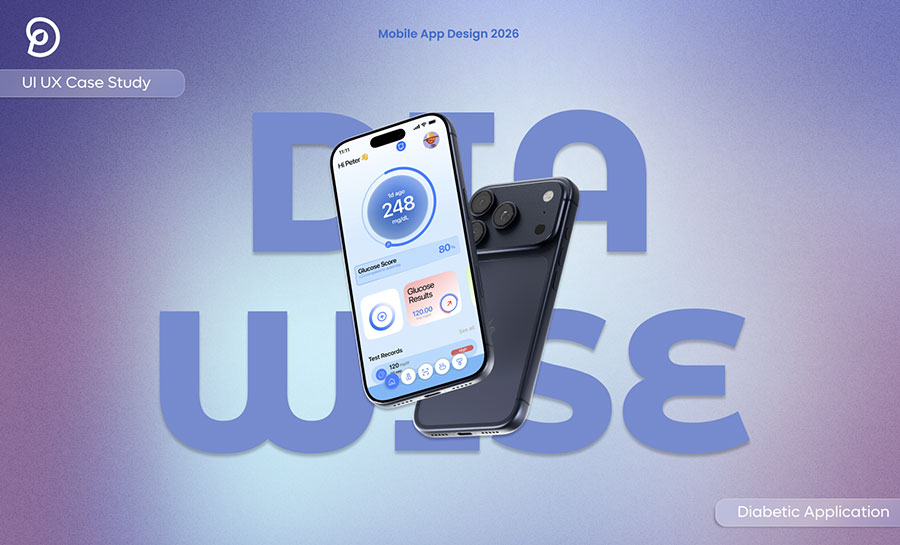
Discover DiaWise, an AI-driven diabetes care app designed by an ICAT student. Learn how UX design, AI, and behavioral insights improve decision-making in healthcare apps.
Why Diabetes Management Needs Better UX
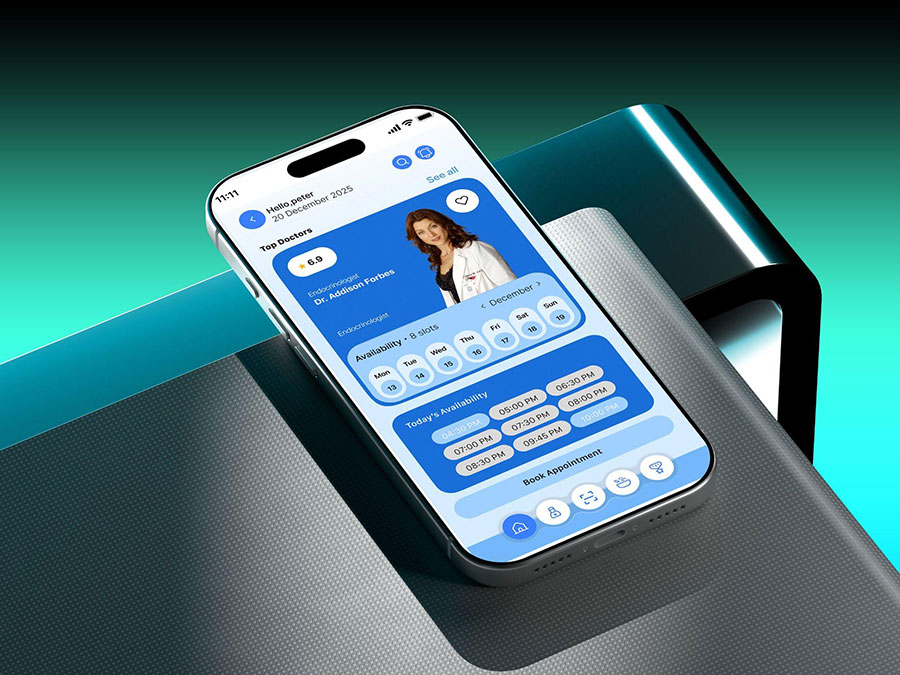
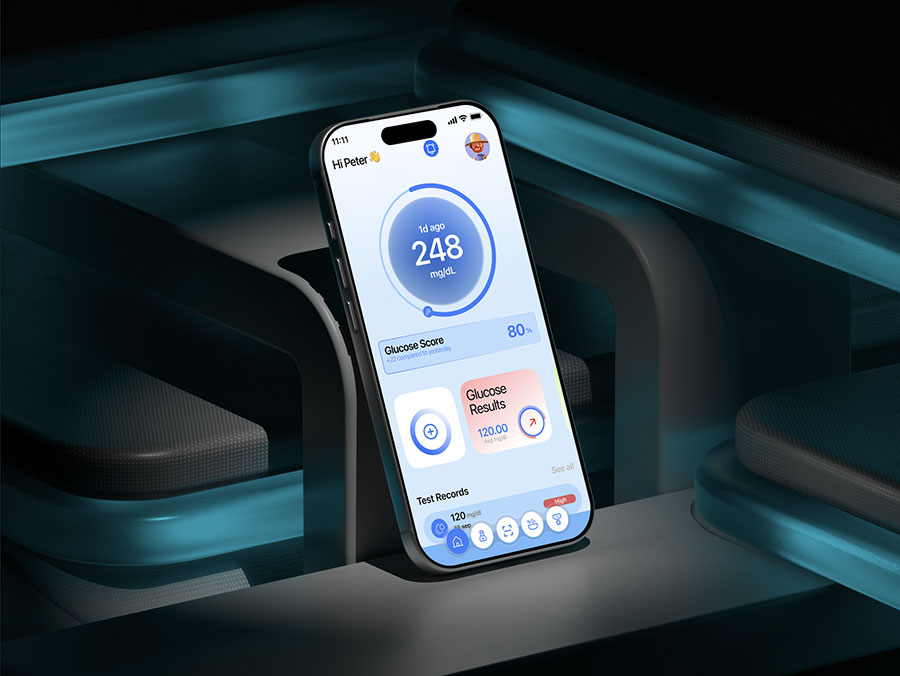
In today's digital world, healthcare apps are everywhere but managing chronic conditions like diabetes still feels overwhelming. The real problem isn't lack of data; it's lack of decision support. That's where DiaWise comes in, an AI-powered diabetes companion designed not just to track health, but to guide real-life decisions. As part of my undergraduate project, I set out to design a solution that transforms confusion into clarity through user-centered UX design and intelligent interaction.
Understanding the Problem Space
Diabetes management is not just clinical, it is deeply behavioral. Users don't just need numbers; they need:
- Contextual guidance (What should I eat right now?)
- Emotional reassurance (Am I doing okay?)
- Predictive insights (What might happen if I eat this?)
Existing solutions often fail because they:
- Overload users with raw data
- Ignore emotional and psychological factors
- Lack personalization for Indian diets and lifestyles
DiaWise was designed to bridge this gap.
Concept: From Tracking to Decision-Making
Traditional apps focus on logging data.
DiaWise shifts the paradigm:
From Data Tracking → To Intelligent Decision Support
Instead of just displaying metrics, the app:
- Analyzes user inputs (food, glucose, activity, mood)
- Predicts possible outcomes
- Suggests actionable next steps
This makes the experience proactive instead of reactive.
Designing the Experience
1. Smart Food Recognition
Users can upload meal images, and the app:
- Detects food items
- Estimates nutrition values
- Predicts glucose impact
2. Real-Time Decision Engine
Instead of static dashboards, the app responds dynamically:
- "You may experience a sugar spike in 30 minutes."
- "Consider a 10-minute walk."
- "Reduce portion size slightly."
This transforms passive tracking into active guidance.
3. Emotional & Behavioral Design Layer
A key innovation in DiaWise is its human-centered approach:
- Mood tracking
- Gentle nudges (hydration, stress awareness)
- Non-judgmental communication tone
The goal is to make users feel supported, not monitored.
4. Dual System for Accessibility
To ensure accessibility:
| Version | Features |
|---|---|
| Standard | Manual input, AI suggestions |
| Premium (CGM integrated) | Real-time glucose tracking, predictive alerts |
This allows scalability across urban and rural users in India.
5. Ecosystem Thinking
DiaWise goes beyond individual use:
- Caregiver mode (family tracking)
- NGO & healthcare integration
- Insulin stock alerts
- Community support features
This transforms the app into a health ecosystem, not just a tool.
UX Challenges & Design Decisions
Complexity vs Simplicity
Balancing powerful AI features while keeping UI minimal.
Trust in AI
To build user trust:
- Clear explanations
- Transparent feedback loops
Cultural Relevance
Designed specifically for Indian users:
- Local food datasets
- Language flexibility
- Affordable accessibility
Visual & UX Design Approach
The design language focused on:
- Calm, reassuring colors (to reduce anxiety)
- Minimal cognitive load (quick decisions, not deep analysis)
- Card-based UI (bite-sized insights)
- Human tone of voice (empathetic, not robotic)
Every screen answers one core question:
"What should the user do next?"
Audience Feedback & Insights
Feedback from peers and mentors highlighted the strength of DiaWise's decision-based UX approach, with many appreciating its practical value in everyday life. The emotional support layer stood out as a unique and meaningful addition, making the experience feel more human-centered.
Presenting the project at the ICAT College Graduation Showcase at Mantri Square Mall was a rewarding experience. The insights and encouragement from faculty, industry professionals, and visitors not only validated my design approach but also strengthened my confidence as an aspiring UI/UX designer.
Conclusion
DiaWise, for me, is more than just a design project, it represents a shift in perspective. It taught me that healthcare technology should not simply inform, but empower. It should reduce anxiety, not add to it.
If photography captures moments of truth, then designing DiaWise felt like capturing something similar, a moment where confusion turns into clarity.
And that is ultimately what I want my work to achieve: helping people make better decisions, one small step at a time.
Explore more student project blogs to see how innovative ideas are brought to life.