
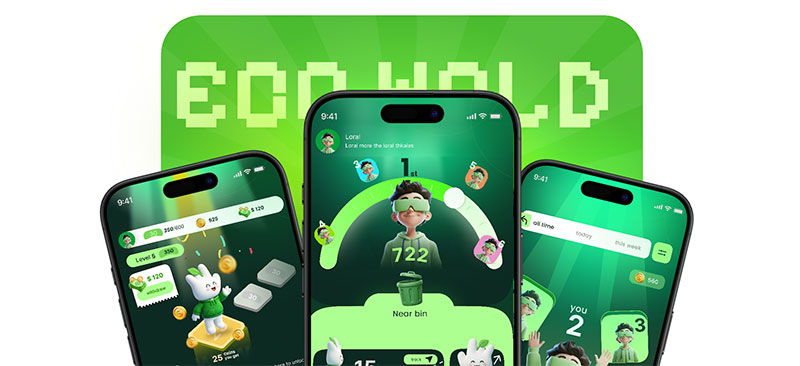
Discover EcoHold, a smart recycling app designed by an ICAT student. Explore the complete UI UX design process from research and wireframing to prototyping; creating a sustainable waste-to-wallet solution.
Solving Urban Waste with UI/UX Design
Urban waste management remains a growing challenge, with many people unsure how to dispose of recyclable materials efficiently. As a UI/UX design student at ICAT College of Design and Media, I aimed to solve this real-world problem through a user-centered mobile application.
This led to the creation of EcoHold, a smart recycling app that simplifies waste disposal while rewarding users through digital payments, turning waste into value.
Key Challenges in Waste Management
Through observation and research, I identified major user pain points:
- Difficulty locating nearby scrap collection centers
- Lack of proper disposal methods for electronic and household waste
- Inconvenience in scheduling pickups
- No transparent pricing for recyclable materials
- Low motivation to recycle
EcoHold was designed to bridge this gap with a simple, reliable, and rewarding system.
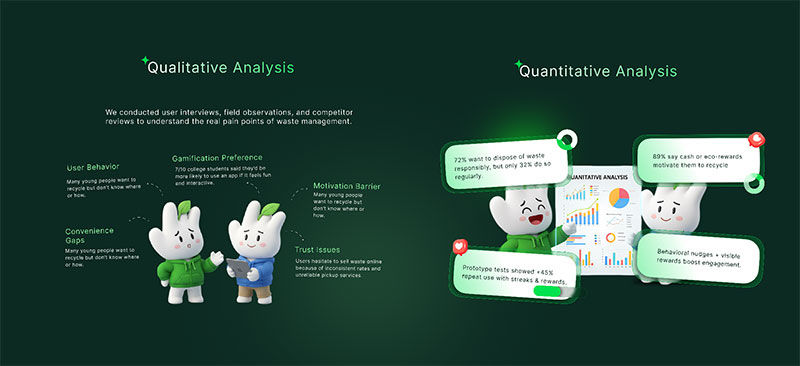
Research Phase: Understanding User Needs
To avoid assumptions, I conducted primary research and analyzed existing systems.
Key User Insights:
- Users prefer doorstep scrap collection
- Need clear and transparent pricing
- Want instant and secure payments
- Value trust and reliability in service
These insights shaped EcoHold into a convenient, transparent, and user-friendly platform.
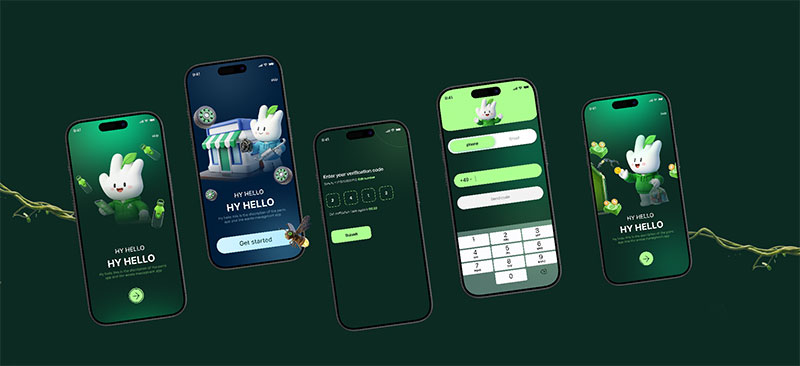
UX Strategy: Building a Seamless Experience
Before visual design, I focused on creating a strong UX framework using principles from my UI UX design course at ICAT.
UX Process Included:
- User personas (students, households, shop owners)
- Empathy mapping for behavior insights
- User journey mapping to identify friction points
- Structured information architecture
Key User Flows:
- Scheduling waste pickup
- Viewing real-time scrap prices
- Tracking pickup status
- Receiving rewards via UPI
This ensured the app remained intuitive, efficient, and accessible.
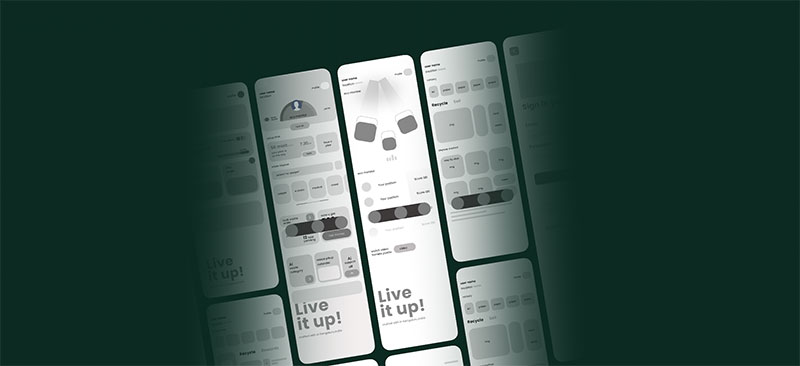
Wireframing: Structuring the App
Low-fidelity wireframes were created to define layout and functionality.
Core Screens:
- Onboarding
- Home Dashboard
- Waste Category Selection
- Pickup Scheduling
- Wallet & Rewards
This phase served as the blueprint for the final UI design.
UI Design: Creating a Sustainable Visual Identity
Using Figma, I developed high-fidelity designs with a focus on usability and sustainability.
Design System Highlights:
- Green color palette (eco-friendly theme)
- Clean typography for readability
- Consistent UI components (cards, buttons)
- Iconography for waste segregation
The UI reflects trust, simplicity, and environmental awareness.
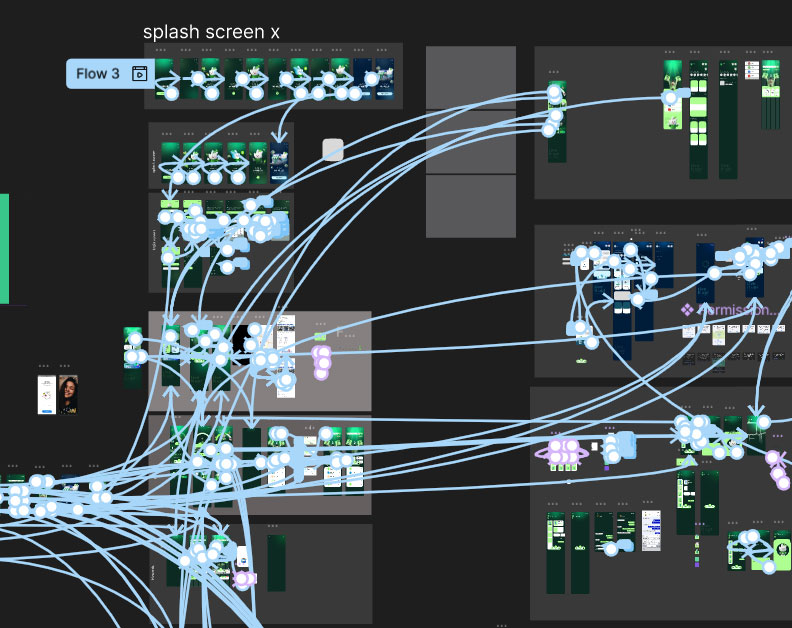
Prototyping: Testing the Experience
Interactive prototypes simulated real user interactions and validated usability such as:
- Booking waste pickup
- Tracking logistics
- Receiving rewards
This phase helped refine the experience into a smooth, frictionless journey.
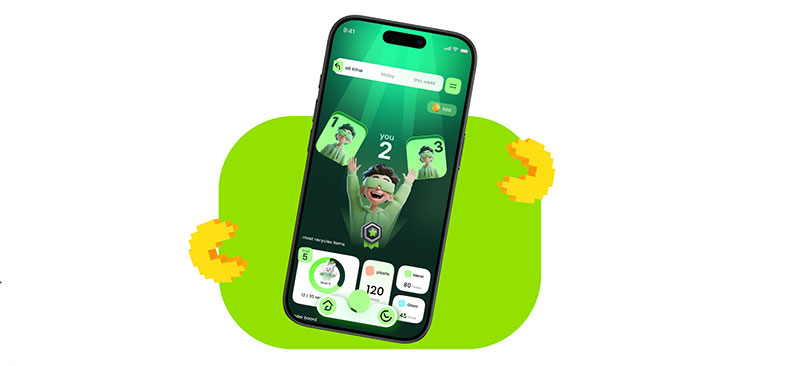
Showcasing the UX Journey
The project concluded with a full UI/UX case study presentation, including:
- Research insights
- UX strategy and flows
- Wireframes and UI screens
- Interactive prototypes
EcoHold demonstrates how UI/UX design can solve environmental challenges through human-centered solutions.
I am grateful for the opportunity to showcase EcoHold at the ICAT College Graduation Showcase at Mantri Square Mall, where faculty, industry professionals, and visitors provided encouraging feedback. Their insights not only validated the project but also boosted my confidence as a UI/UX designer ready to tackle real-world challenges.
Conclusion: Designing for a Sustainable Future
EcoHold reflects my growth as a UI/UX designer, applying real-world problem solving through structured design thinking. It proves that effective design is not just about visuals, but about creating meaningful, impactful experiences.
EcoHold: Turning trash into digital treasure, one seamless tap at a time.
You can explore more student UI/UX design blogs to see how innovative ideas are brought to life.