
We often admire the final result of animated films, video games, and film worlds without realising where it all begins. Visual development is the process that transforms ideas into images, shaping the entire experience we see on screen.
For students, especially those studying or planning to study at ICAT College of Design and Media, learning visual development offers an advantage. It builds deeper creative thinking, storytelling skills, and design knowledge, giving them a better foundation and greater exposure compared to others entering the animation, gaming, and VFX industries.
What is visual development?
Visual development is the process of planning how a project will look and feel before it is made. It answers questions:
- What will the world be like?
- What should the characters look like, and how should they act?
- What kind of mood should the audience be in?
Nothing is definitive at this stage. Artists look at different ideas, styles, and ways of doing things. It is a place to try new things, where creativity is encouraged and many options are tried out before a final decision is made.
Elements of Visual Development
Concept Art: Concept art is where rough ideas for a project take shape and are given birth. These are quick drawings or paintings that look at different versions of people, places, and events.
There is no such thing as perfect concept art. Instead, it focuses on being creative and explorative. Artists can make many different versions of the same idea, which helps directors and teams choose the best. It is like brainstorming, but with pictures instead of words.
Character Design: Characters are at the centre of any story. Character design gives life to personality. In visual development, artists design characters in a way that reflects who they are, their personality, background, and role in the story.
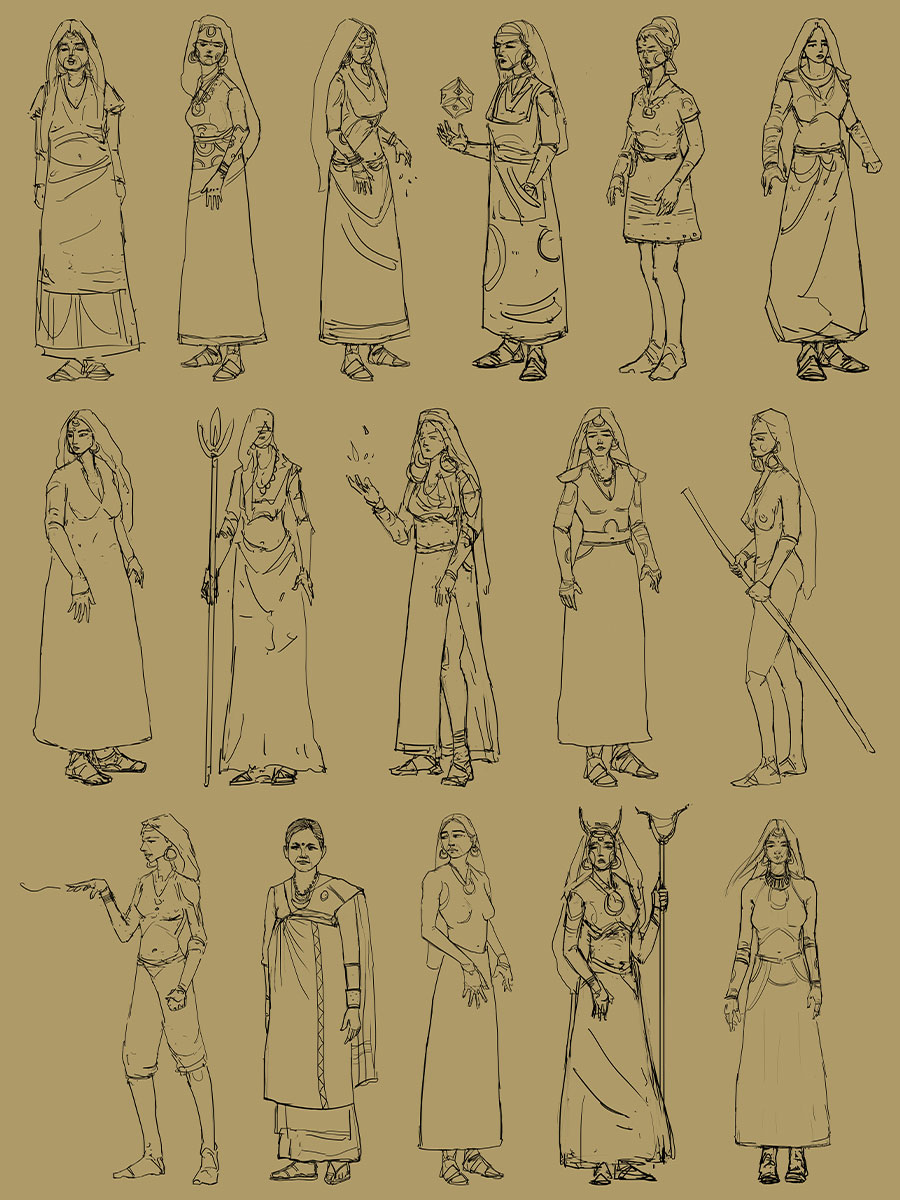
Figure 1: Sketches of character drawings.
Even simple details matter. The shape of a character, their posture, costume, and facial expressions all communicate something. A strong character design allows the audience to understand a character even before they speak.
For example, a hero might have bold, confident shapes, while a villain might have sharper, more intimidating features. These subtle choices make storytelling powerful and engaging.
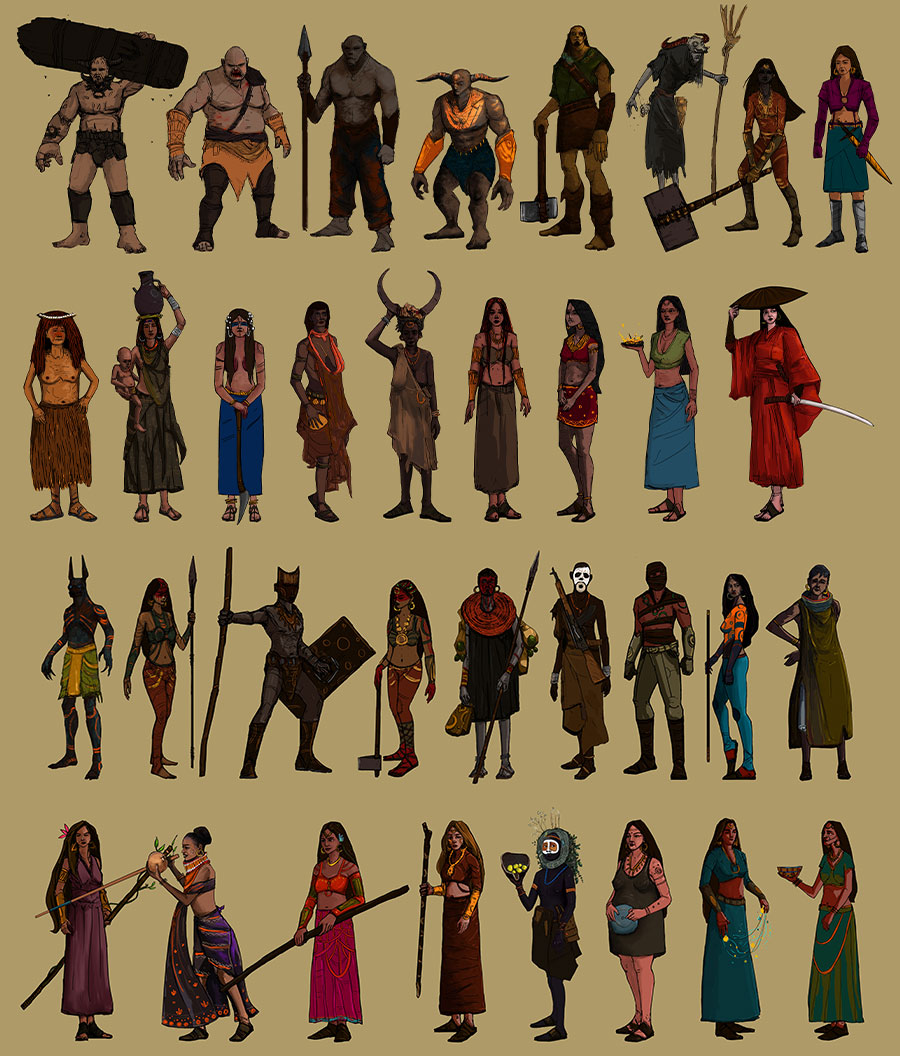
Figure 2: Coloured characters.
Environment Design: If characters are the centre, the world is the place where they live. Environment design builds the world. Visual development artists make places that feel real and immersive, whether it is a magical fantasy world or a real city.
Designing the environment includes:
- architecture and landscapes
- cultural and historical factors
- the light and the mood.
A well-designed environment does more than just look good; it also helps tell the story. It can direct the viewer's focus, set the mood, and even give away important plot points.
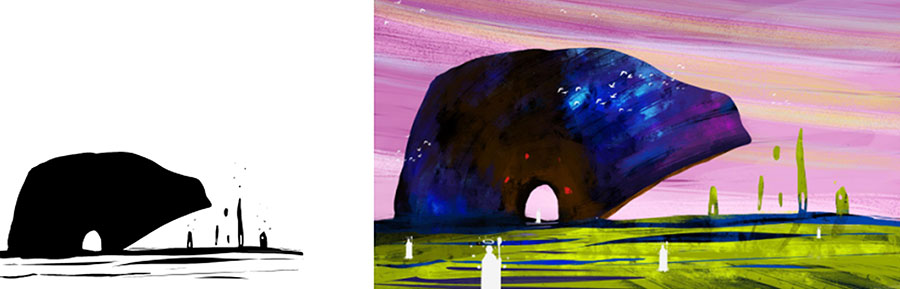
Figure 3: Thumbnail and final output.
Colour Scripts: The colour of a story can have a big effect on how we feel while we watch it. Colour scripts create emotional flow. A colour script is a series of pictures that show how the colours and lighting change over the course of the project.
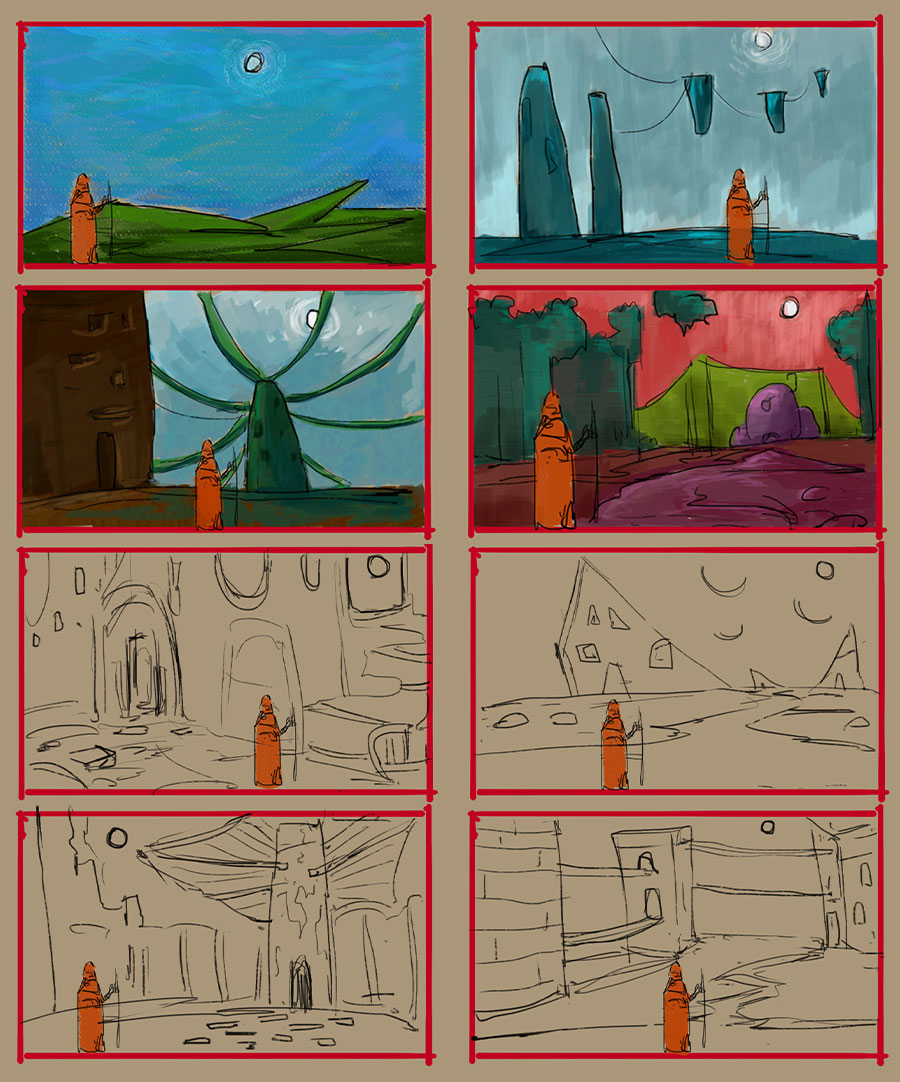
Figure 4: Coloured vs uncoloured drawings for environmental design.
As an example shown in Figure 4, warm colours can make you feel happy or comfortable, and cool or dark tones can make you feel tense, mysterious, or sad.
By planning these changes ahead of time, artists make sure that the audience's emotional journey is supported by the visuals from start to finish.
Lighting and Style: Lighting is one of the most important tools in visual storytelling. Lightning and style help define the time of day, highlight important elements, and set the emotional tone / mood of a scene.
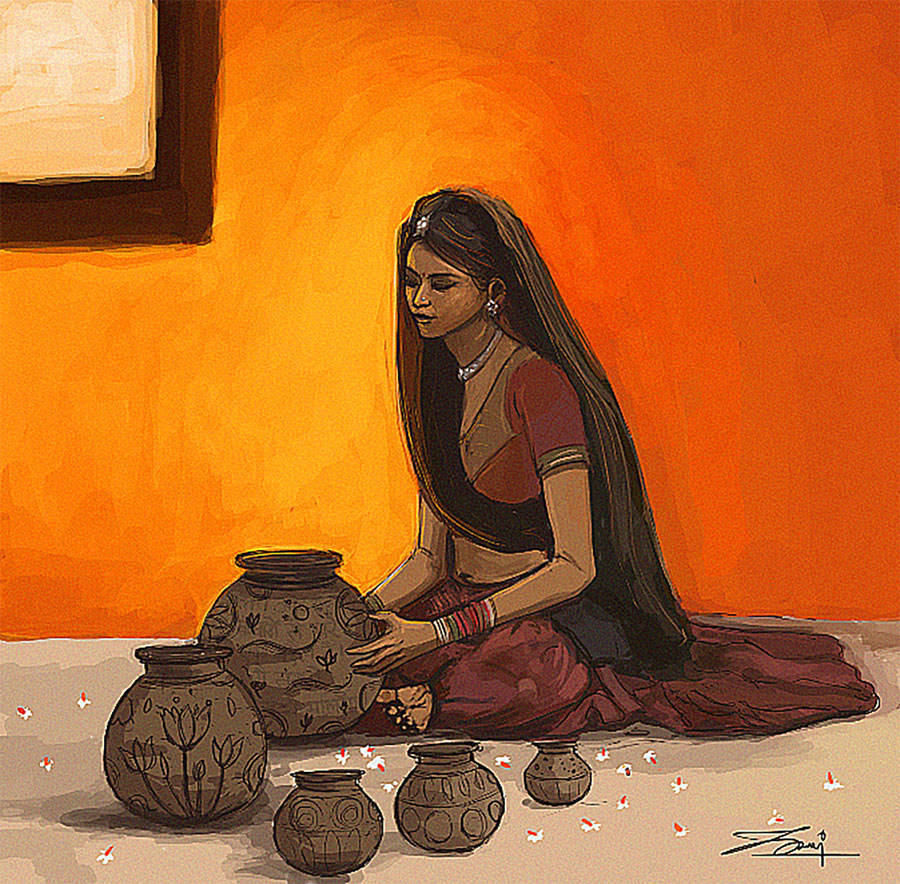
Figure 5: Setting the mood.
At the same time, visual development establishes the overall style of the project. Some stories may use a realistic approach, while others may be more stylised or painterly.
Creative Process Behind Visual Development
The process of visual development is not a straight line; it is a journey of discovery and improvement.
It usually starts with research and inspiration, where artists look at real-world things, traditional paintings, photographs, and cultural things. Then comes the experimentation stage, where different ideas are drawn up and tested.
The team then goes over the work, gives feedback, and picks the best ideas. Then, these are improved and polished into final designs that the production team uses to make the product.
Why Visual Development Matters
Visual development significantly influences the storytelling process. It makes sure that every visual element, from characters to colour, works together to tell the story.
A project can feel inconsistent or unclear if it does not have good visual development. But when done right, it makes the story look real and pulls the audience in.
This is why institutions like ICAT College of Design and Media focus on visual development foundations.
Conclusion
Visual development is when ideas start to take shape. It turns ideas into pictures that guide the whole creative process, from the first sketch to the last frame. It makes worlds that people will remember and connect with emotionally. It gives artists and creators a clear goal and direction.
For aspiring creators, learning visual development at ICAT opens doors to careers in animation, gaming, and film. Visual development is not just a step in production; it is the core of storytelling, where every great visual journey starts.