
In the mist-covered hills and dense forests of Tamil Nadu, where nature still shapes everyday life, the Irular and Kotha communities continue to live with a quiet strength that often goes unnoticed. A recent visual study brings their world into focus—not through statistics or reports, but through powerful photographs that capture their homes, beliefs, and above all, their people.
Titled "Echoes of the Hills and Forests" by B.Sc. Photography student Monika P, the project is a sensitive photographic exploration that highlights the beauty, dignity, and cultural richness of these tribal communities. Rather than portraying struggle alone, it aims to show a balanced and respectful view—one that celebrates identity, resilience, and harmony with nature.
At the heart of the study lies a simple but powerful idea: that images can tell stories words sometimes cannot. Through carefully composed photographs, the project documents everyday life—from the structure of homes to the expressions on people's faces.
Sustainable Way of Life
The homes of the Irular and Kotha communities are not just shelters; they are reflections of their way of life. Built using locally available materials such as thatched roof made of leaves and grass, these structures blend with the surrounding environment. The photographer uses wide-angle shots to capture both the interiors and exteriors, allowing viewers to understand how space is used in daily life. Cooking areas, open spaces, and the natural surroundings are framed in a way that shows simplicity without reducing it to poverty. Instead, the images highlight a sustainable lifestyle rooted in tradition.
Equally compelling are the photographs of temples and sacred spaces. Unlike grand urban shrines, these are small, often hidden within forests, and built using stones and natural materials. One striking example is the stone temple—a minimal structure formed by placing large rocks together to create a shelter-like space. Through wide and slightly low-angle shots, the photographer emphasises the temple's connection to the land, making it appear as though it has grown organically from the earth. Soft natural lighting enhances the spiritual atmosphere, avoiding artificial brightness and preserving authenticity.
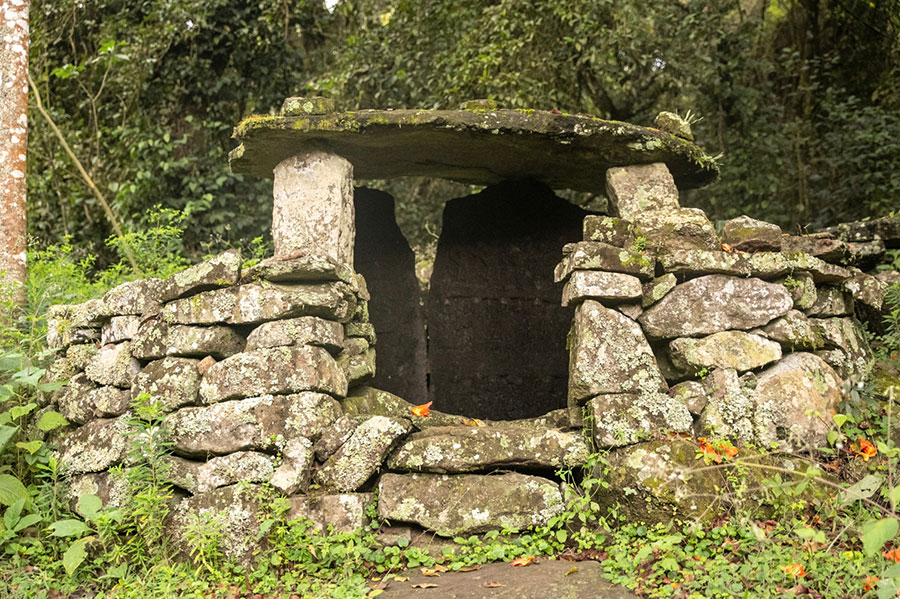
Figure 1: A stone-built temple at the entrance of an Irula village.
However, the most powerful images in the study are the portraits—the "faces of the tribe." These close-up shots capture emotions that are both intimate and universal. Wrinkles, traditional jewellery, and clothing besides broad smiles are all brought into sharp focus. The use of a shallow depth of field ensures that the subject stands out clearly, while the background gently fades, keeping attention on the individual. Each portrait feels like a conversation, inviting the viewer to pause and reflect.
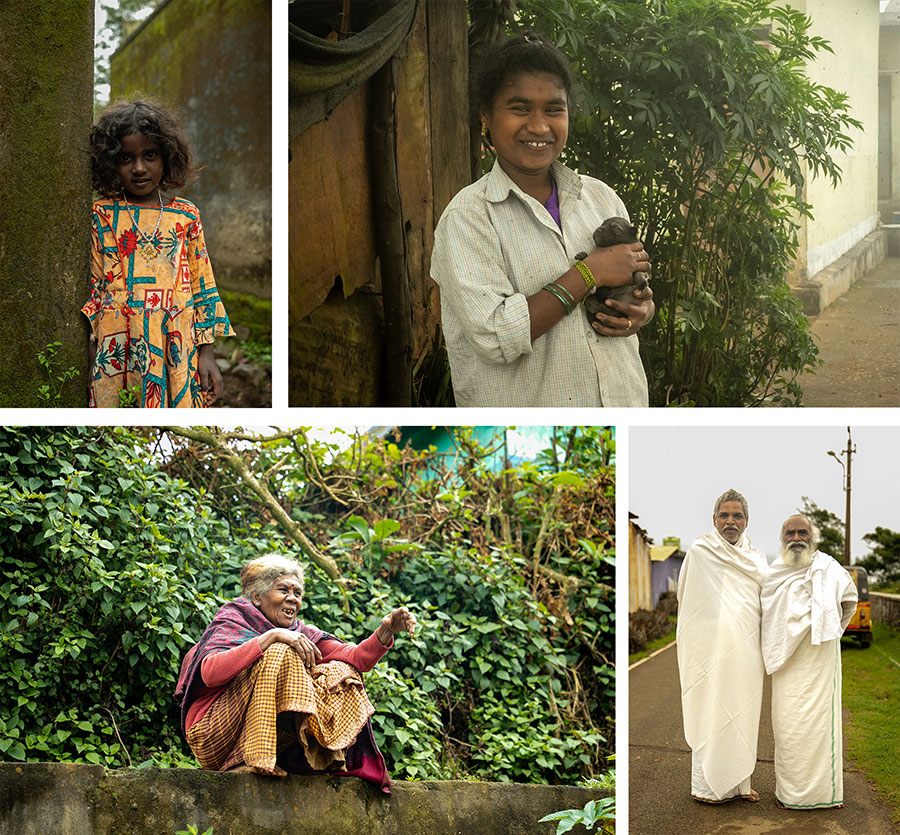
Figure 2: Facial features of the tribal people.
Working with Natural Light
Natural light plays a central role throughout the project. Instead of relying on flash or heavy artificial lighting, the photographer works with available light—morning softness, afternoon brightness, and even the muted tones of rainy weather. This choice not only preserves the natural mood of each scene but also respects the environment and the subjects. In tribal settings, where intrusion must be minimised, such an approach is both practical and ethical.
The study also makes effective use of storytelling frames. Rather than isolated images, many photographs are composed to include multiple elements—a person in front of their home, a temple surrounded by trees, or a daily activity unfolding in real time. These layered compositions provide context, helping viewers understand not just what is seen, but how it fits into a larger way of life.
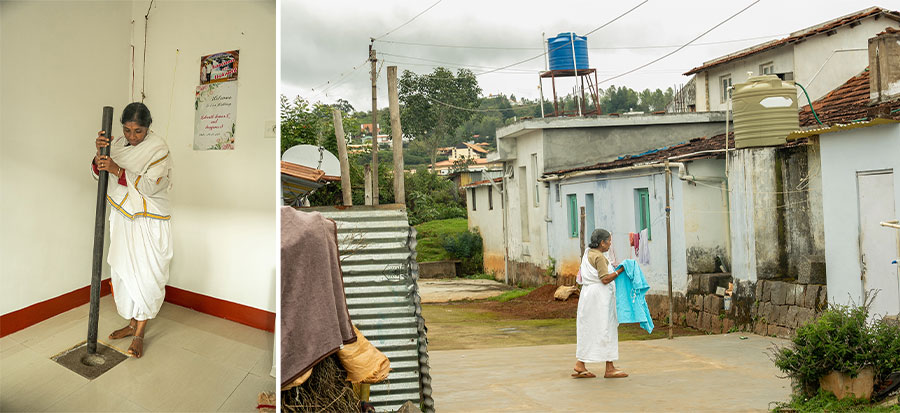
Figure 3: Day-to-day activities.
Colour grading further enhances the narrative. Instead of dramatic or stylised edits, the tones are kept earthy and natural—greens, browns, and muted hues dominate the palette. This subtle approach ensures that the images remain true to the environment, reinforcing the authenticity of the visual story.
Clarity and Balance
The technical aspects of the project also contribute significantly to its success. Using a professional camera setup, including versatile lenses like 24–70mm and 70–200mm, the photographer is able to switch between wide environmental shots and detailed close-ups with ease. A tripod provides stability for low-light conditions, while careful framing ensures clarity and balance in every image.
Beyond technique, the project is also a story of personal growth. Photographing in challenging conditions—cold weather, heavy rain, and difficult terrain—required patience and adaptability. More importantly, it demanded trust-building with the communities. Communication, respect, and genuine curiosity became as important as camera skills. Luckily, our photography student Monika hails from one of these tribal communities.
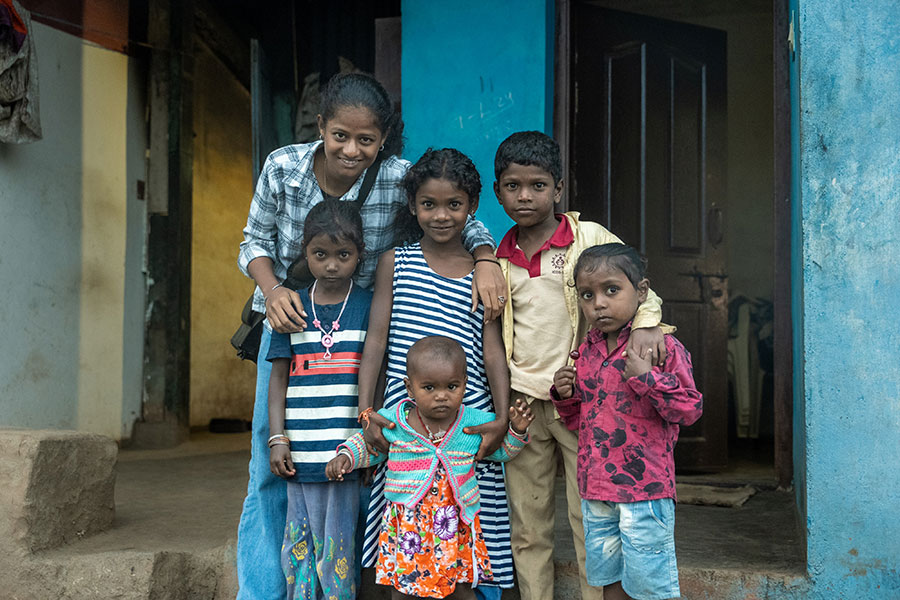
Figure 4: The photographer with the tribal children.
The human connection is evident in these photographs. The subjects do not appear staged or uncomfortable; instead, they seem at ease, allowing their true selves to be captured. This authenticity is what gives the project its emotional depth.
In a time when tribal communities are often misrepresented or overlooked, this visual study serves as a reminder of their enduring value. The Irular and Kotha communities are not relics of the past—they are living cultures with knowledge systems, traditions, and identities that deserve recognition.
Looking beyond Stereotypes
Through its thoughtful use of photography, the project does more than document—it invites understanding. It asks viewers to look beyond stereotypes and see the richness of a life lived in harmony with nature.
Ultimately, "Echoes of the Hills and Forests" is not just about images. It is about perspective. It shows that when approached with sensitivity and skill, photography can become a bridge—connecting worlds, telling stories, and preserving voices that might otherwise fade into silence.