
Getting placed in the game industry has become one of the biggest goals for students entering game design, game art, or game development programs. The industry is growing, no doubt – new studios, new platforms, and constant demand for fresh content. But landing that first job is something many students find challenging.
So what does it actually take to break into the field? The answer is a mix of skill, mindset, and good preparation – not shortcuts.
Game Industry has Evolved
A decade ago, most students aimed to become "game designers" or "game programmers". Today, the landscape looks completely different. Studios now hire across a wide range of specialised roles:
- Gameplay and Tools Programmers
- UI/UX Designers
- Level and Systems Designers
- Environment, Character, and Tech Artists
- Animators and Riggers
- Narrative Designers
- QA Testers and Game Analysts
- Producers, Community Managers, and Marketing Leads.
The opportunities are bigger than ever — but so is the competition. That is why students must prepare to stand out.
Build Strong Fundamentals
Many students try to learn too many tools at once. But studios are not impressed by a long list of software you "know".
What actually matters is:
- Can you think like a designer?
- Can you visualise like an artist?
- Can you solve problems like a programmer?
Tools change every year. Fundamentals don't. When you build a career on strong basics, you can learn any engine, any workflow, and adapt to any studio.
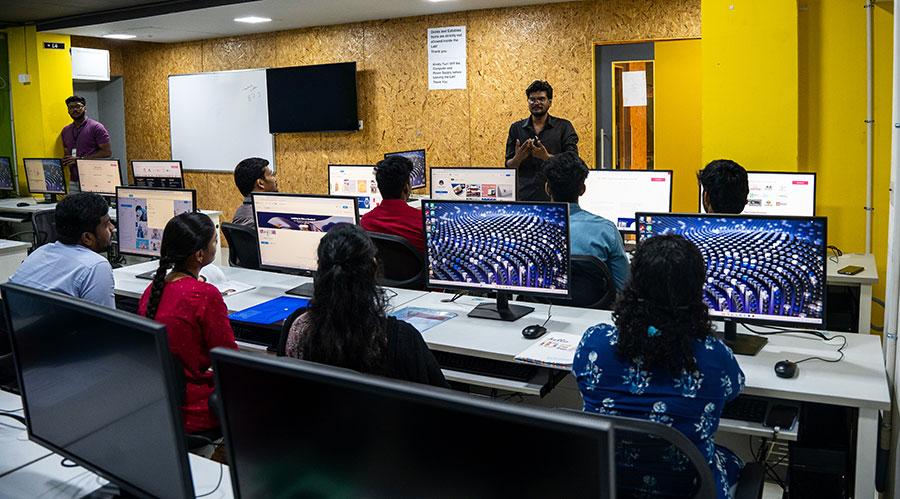
Figure 1: Instructions provided to students regarding the placement drive.
Portfolio is Resume
This is the part most students underestimate. Recruiters barely look at marks or certificates. They open your portfolio first, and they decide in seconds:
- Does this person understand the craft?
- Can they finish what they start?
- Do they show originality?
- Is there a clear workflow?
A good portfolio is not ten random pieces. It is:
- 3–5 strong, finished projects
- Clear breakdowns (process, challenges, decisions)
- Work that represents the role you're applying for.
Your portfolio should show your thinking, not just the final render or video.
Real-World Practice
Studios hire people who have shipped something — anything:
- Game jams
- Internships
- Group projects
- Freelance assignments
- Self-published prototypes
- Mods (meaning modifications) and rebuilds of existing games.
These experiences teach teamwork, deadlines, communication, and the messy realities of production — things no classroom can fully recreate. Even QA testing has helped many students enter the industry and later climb into design or production roles.
Soft Skills Matter
Studios want people who can:
- Communicate clearly
- Take feedback professionally
- Work in teams
- Be reliable under pressure
- Stay curious and open to learning.
Furthermore, your talent gets noticed if you have the right mindset. You should be able to finish what you have started. You need to be a continuous learner. You should not be waiting for opportunities but be prepared to create them. You should not rush to reach the peak but you should climb up slowly and steadily.
Networking is Not Optional
The game industry is incredibly community-driven. Many placements happen through:
- Alumni referrals
- Discord communities
- LinkedIn visibility
- Game conferences and expos
- Mentorship programs
- Sharing your work online.
You do not need to 'be famous'. You just need to be visible and active in the game development ecosystem.
Placement is Your Launchpad
Your first studio job is not the end of your journey. It is the beginning of a career where you grow, change roles, explore new platforms, and build worlds that millions of players may one day experience. If you focus on fundamentals, create meaningful work, and keep improving yourself step by step, placement becomes a natural outcome – not a struggle. The game industry values people who are passionate, prepared, and persistent. Be that person, and the opportunities will follow.
The truth is, the first job is often the hardest. But once you enter the industry, every project, every connection, and every skill takes you forward.