
Imagine that you are sitting in a sleek coffee shop, your laptop is open, and you are sipping a copicino paid for by a client who lives three time zones away. You are not just "making art" - you are solving problems, building brands, and running a business as an entrepreneur.
For many students, the leap from "student" to "creative entrepreneur" feels like jumping across a canyon without a map. But at ICAT College, we believe the bridge is built through a specific blend of technical mastery, psychological insight, and real-world experience.
Here is the way to transform from a student into a thriving creative powerhouse.
Phase 1: Redefining the Craft
Most people think that image editing is just about airbrushing faces on Instagram. That is the first myth to be shattered. To be a creative entrepreneur, you must see the breadth of the industry.
When we teach colour correction and retouching, we are not just looking at portraits. We dive into:
- Interior Design: Correcting patterns and aligning tiles for high-end architectural firms.
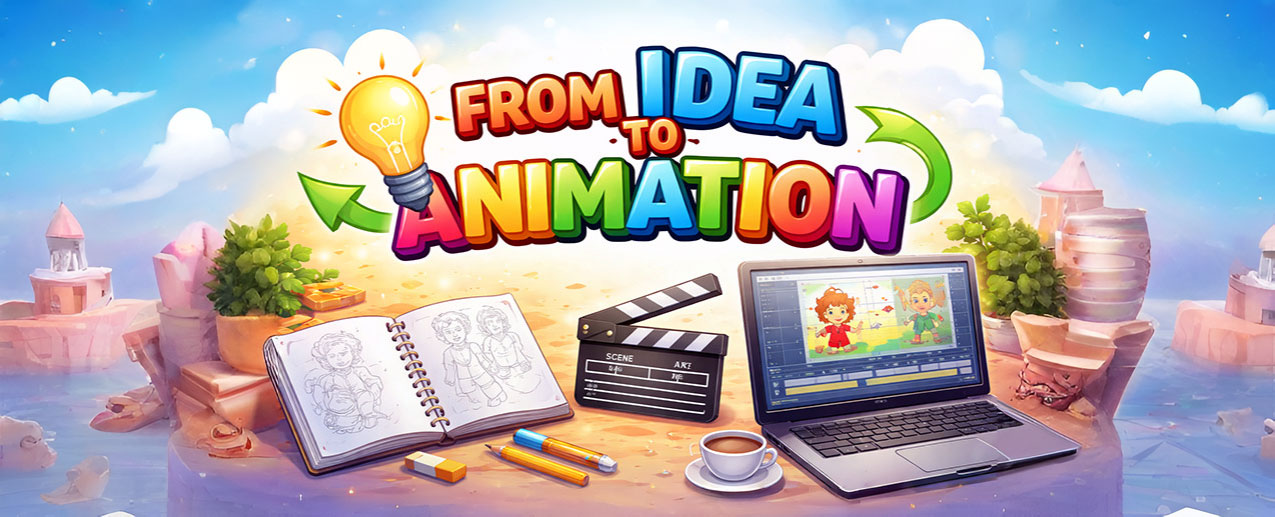
- Animation: Creating the intricate textures that make digital worlds feel real.
- Fashion Design: Ensuring fabrics look tactile and colours stay true to the brand's vision.
Once our students master the tools, we throw them into the deep end: Freelancer.com. But here is the twist - the goal is not the paycheck. It is about the experience.
In this initial stage, your objective is to understand the client's expectations. What does a client mean when they say "make it pop"? How do you handle a deadline? This is your laboratory. You are practising on real-time global projects to understand the pulse of the market before you ever put a price tag.
Phase 2: Psychology of the Sale
Designing without a goal is just decoration. To be an entrepreneur, you must transition from an "artist" to a "communicator." This starts with moving into Illustrator and InDesign, but more importantly, it starts with the Advertising Theory AIDAÍ.
We teach our students the AIDA principle, the backbone of every successful marketing campaign:
- Attention: Use a "hook" - a bold headline or a striking visual - to disrupt the noise of a crowded world.
- Interest: Highlight features and benefits. Why does this product matter to the consumer's life?
- Desire: Build an emotional connection. This is where your Unique Selling Point (USP) makes the competition irrelevant.
- Action: The Call to Action (CTA). Tell them exactly what to do next - click, buy, or call.
A creative entrepreneur does not just draw "pretty images." S/he crafts solutions using the design principles:
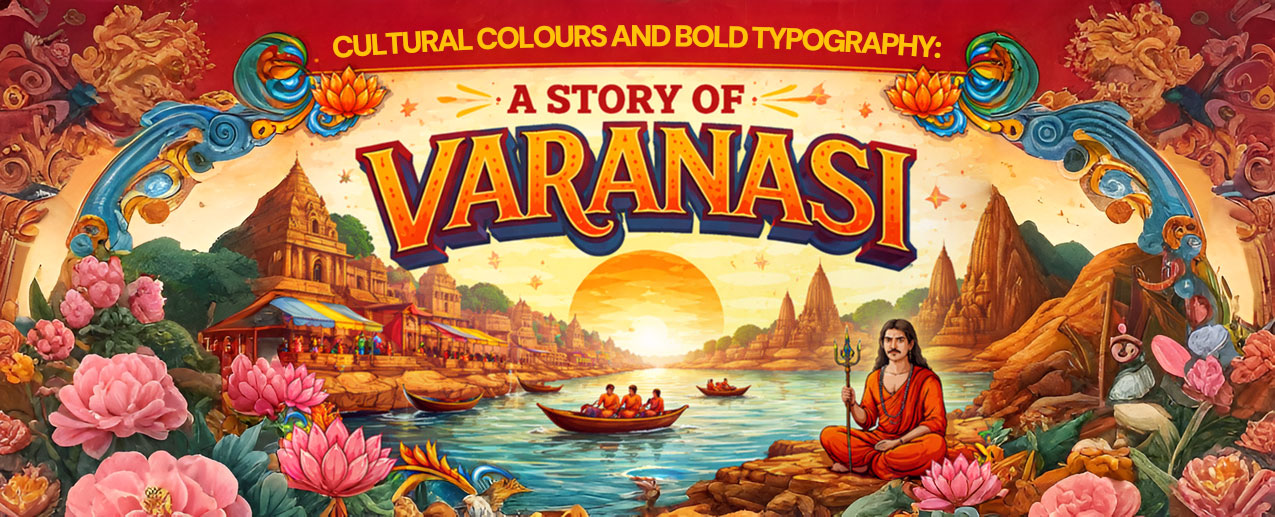
- Colour & Emphasis: Using hue to evoke emotion and contrast to create a focal point.
- Balance & Rhythm: Managing visual weight and using repetition to guide the viewer's eye across the page.
- Alignment & Unity: Creating invisible connections that eliminate randomness, ensuring the final piece feels like a harmonious, intentional masterpiece.
- Negative Space: Learning to let the design "breathe" so it does not feel cluttered.
Phase 3: "Golden Egg" Strategy
The next step of your journey happens closer to home. We encourage students to find "warm leads" - nearby shops, hotels, or family friends.
When you take on these early projects (charging a modest fee of Rs. 100 to Rs. 500), follow this workflow:
- Create 3 Distinct Options: Do not just give them one idea.
- "Staff Test": Show your designs to teachers, mentors, and friends (not the "too close" ones who will just be nice). Ask: "Which one do you hate?"
- Reverse Strategy: Share the designs with the client that received feedback first. Keep your personal favourite - the "super" design - in your pocket. This allows you to guide the client toward the best professional outcome through a process of elimination.
Once you have completed 10 to 20 of these local works, your confidence will shift. You will know how to speak the language of payment and persuasion.
In today's digital age, platforms like 99designs, Design Crowd, and specialised WhatsApp groups are goldmines. But the real secret? Client Retention.
We call clients "Golden Eggs." If you treat a client well, they will not just come back - they will introduce you to their entire circle. One Rs. 500 poster can eventually lead to a Rs. 40,000 book layout or a Rs. 1 lakh logo project, depending on the depth of your research and the scale of the client.
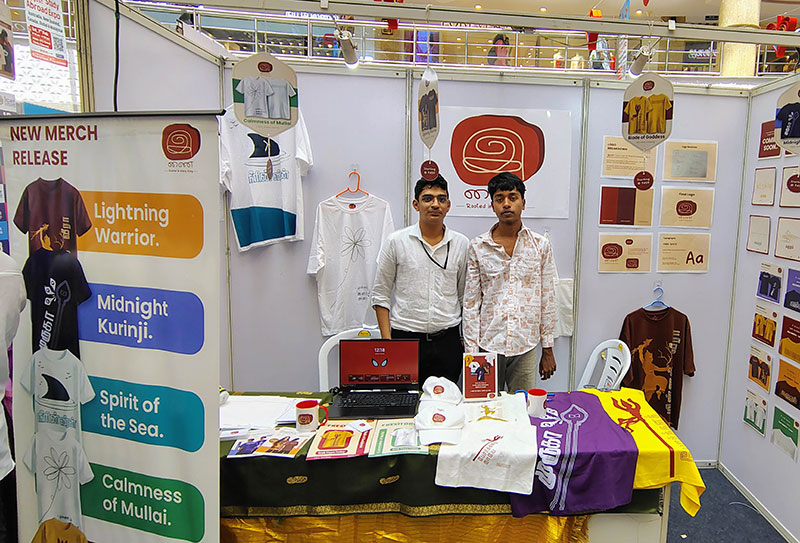
Figure 1. T-shirts designed based on Tamil traditional motifs.
Phase 4: Reflective Visual Journal
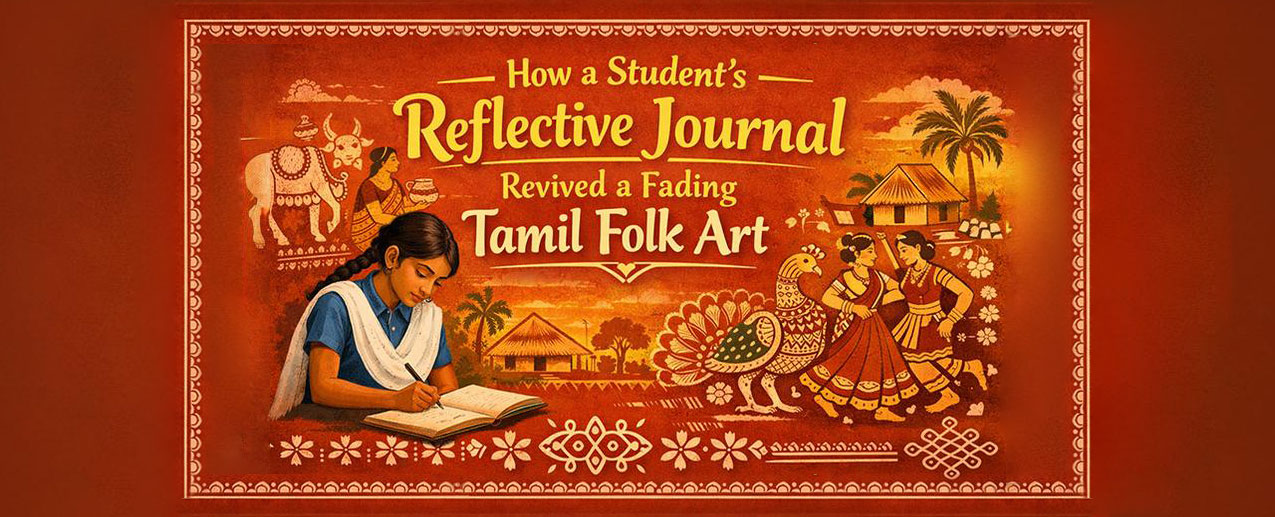
At ICAT College, we emphasise on the Reflective Visual Journal (RVJ). This is not just a sketchbook; it is a strategic map.
The RVJ helps you filter through ten different ideas to find the one that truly works. When you work on a "Live Project," the RVJ becomes your evidence. It allows you to explain your concept to anyone - because as a creative entrepreneur, if you cannot explain why your design works, you will never be able to sell it for what it is worth.