
Professional experts and educators in design agree that design is not just about the final product but the journey that shapes it. It shifts the view from design as a commodity to a process layered with thought, exploration, and reflection—often unseen on the surface. This was beautifully shown in the journey of one of our final-year graphic design students, Krishika, at ICAT College of Design and Media, Chennai. Her project on Varanasi stood out not only for its visual impact but also for the depth of process behind it. Her journey centred on a Reflective Visual Journal (RVJ) that combined sketches, imagery, and text to capture thoughts, emotions, and research.
From the start, Krishika engaged with her RVJ with real commitment. She treated it not as a mere requirement but also as a space for deep thinking. Her journal became a record of her design journey, including brainstorming, research insights, visual explorations, and iterative developments. This practice helped her slow down and think critically, unlike some young designers who rush straight to the final output.
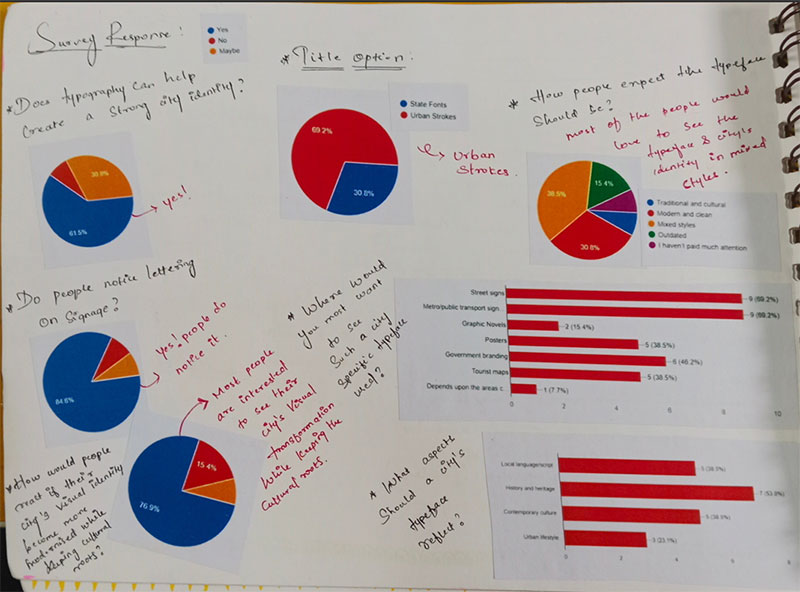
Figure 1. Survey responses documented in RVJ.
The RVJ let her explore directions without pressure to finalise instantly. She used it to question and review ideas regularly, analyse options, and document thoughts visually. Themes like cultural representation, typography, and visual storytelling gave her time for reflection. From ambiguity, she gained clarity by moving in the right direction.
Her strength in visual thinking shone through. Though we urge students to go beyond words with sketches, diagrams, and visual storytelling, Krishika incorporated these intuitively. It is clear in her many rough sketches drawn from architecture, cultural elements, and daily life. This let her ideas evolve naturally, without chasing perfection too soon.
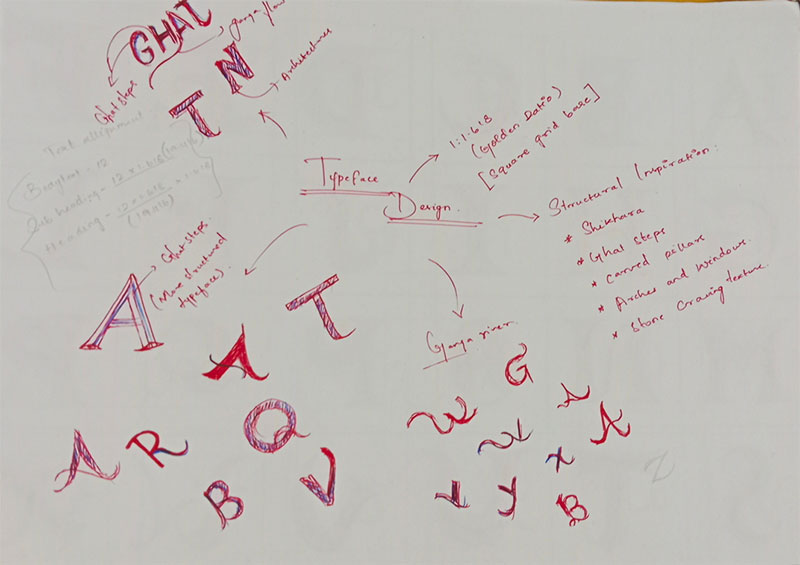
Figure 2. Initial experiments with letterforms.
The RVJ played a key role in her research. Centred on Varanasi, it documented her findings on the city's traditions, architecture, and visual patterns, revealing its cultural identity. Her mood boards captured the essence of the city—its ghats, temples, rituals, and bustling streets. She analysed these and turned them into a visual language.
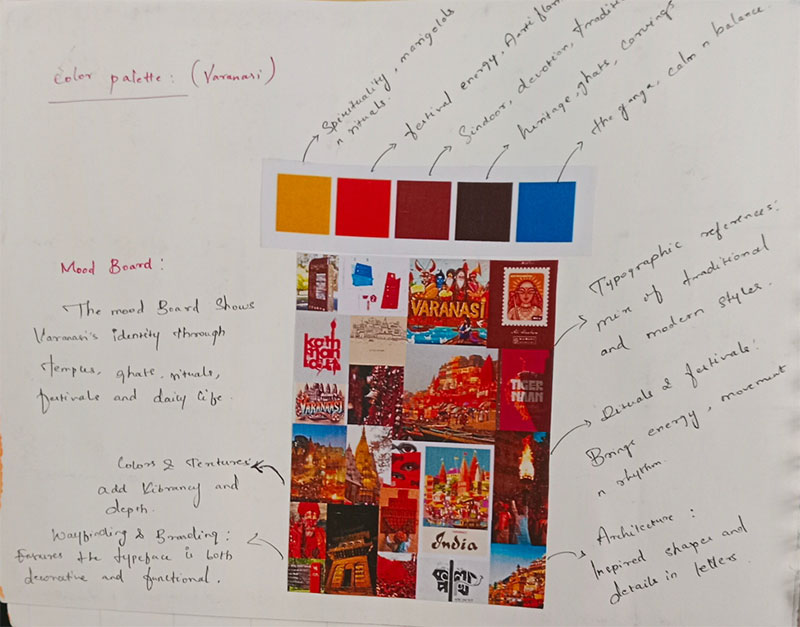
Figure 3. A mood board captures the essence of the city Varanasi.
A highlight of her process was colour exploration. Through her journal, she contrasted the warm glow of ritual firelight on the ghats with the vibrant energy of Varanasi's streets. Her colour choices were deliberate, speaking through the language of colour.
As her project advanced, the RVJ evolved with extensive iterations in typography, layouts, and visuals. Her willingness to revisit earlier work was impressive. It contributed to the quality of her final product.
Her dedication to refining typography at every stage was commendable. She experimented boldly with letterforms inspired by the city's cultural and architectural elements. She documented consistency and clarity throughout development, achieving a coherent typographical system.
Her ability to explain her design decisions stood out. She recorded why she chose certain forms, symbols, and typography. The clear purpose we emphasise for students was evident, making her project conceptually strong.
The RVJ gave her freedom for bold experimentation. When ideas faltered, she tried new approaches—leading to breakthroughs. This trial-and-error built her confidence in taking creative risks.
In the final stages, the RVJ guided her from experimentation to polished finalisation. With clear, consistent documentation, she presented her project effectively, earning praise for her process and reasoning.
It is clear she used the RVJ not just as a tool but as the project's backbone. It helped her organise thoughts, explore ideas, and design with purpose—from ambiguity to refinement.
Her Varanasi project won the Best Project Award. The process behind this striking outcome makes it special. She proves that great design emerges from curiosity, experimentation, and ongoing reflection.
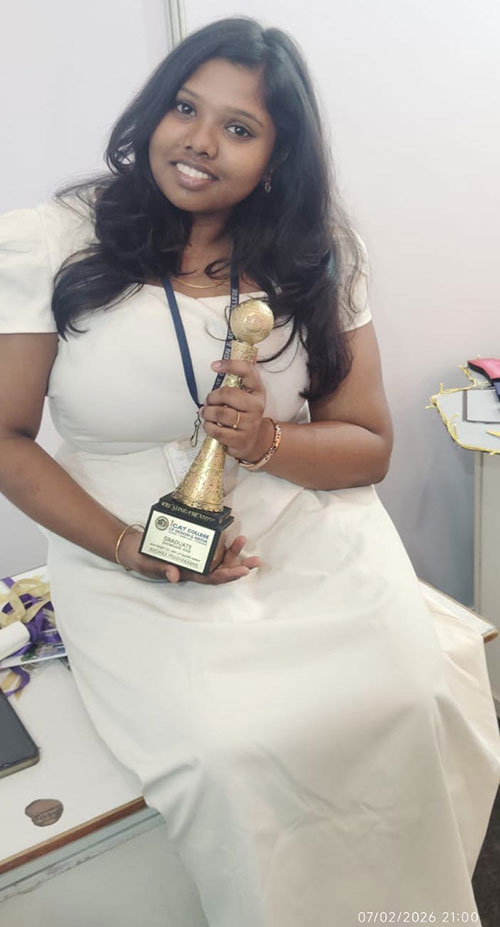
Figure 4. Our student's proud moment receiving the Best Project Award.
We, her teachers, watched this transformation with amazement. It reinforces that the designer's most powerful tool is not digital software but a simple reflective journal that holds all the key elements.