
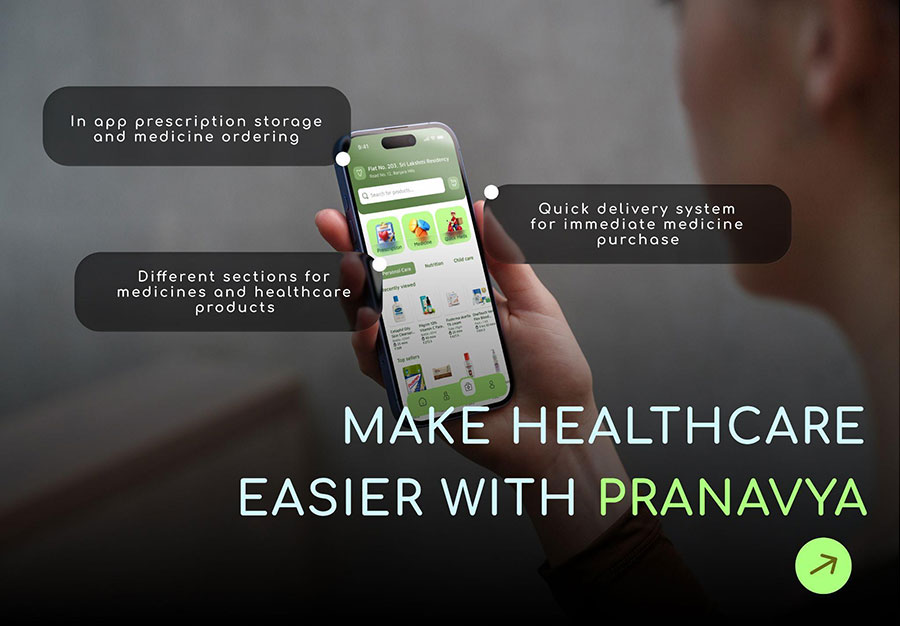
Explore how ICAT college UI/UX student created PRANAVYA, a user-centered healthcare app. Full design process from research to interactive prototype.
Healthcare is an essential part of everyone's life, yet managing it efficiently remains a challenge. Missed medications, scattered health records, and difficulty booking appointments are daily struggles for many. As a UI/UX student at ICAT College of Design and Media, I wanted to tackle this real-world problem by creating PRANAVYA, a comprehensive healthcare management app designed to simplify and centralize healthcare experiences. I'll take you through my full UI and UX design journey from idea generation and user research to wireframing, prototyping, and the final interface presentation.

Idea Generation: Identifying the Problem Space
The foundation of PRANAVYA started with understanding real user challenges in healthcare management. Through observations and conversations, I found users struggled with:
- Forgetting medications and prescriptions
- Difficulty booking doctor appointments
- Lack of a single platform for managing healthcare needs
My goal was to create a one-stop healthcare companion, especially for elderly users and busy professionals, ensuring simplicity, accessibility, and trust at every step.
Research Phase: Understanding Users
To design an effective app, I conducted both primary and secondary research:
- Secondary research: Studied platforms like Practo and Tata 1mg to identify gaps such as fragmented features and complex interfaces for elderly users.
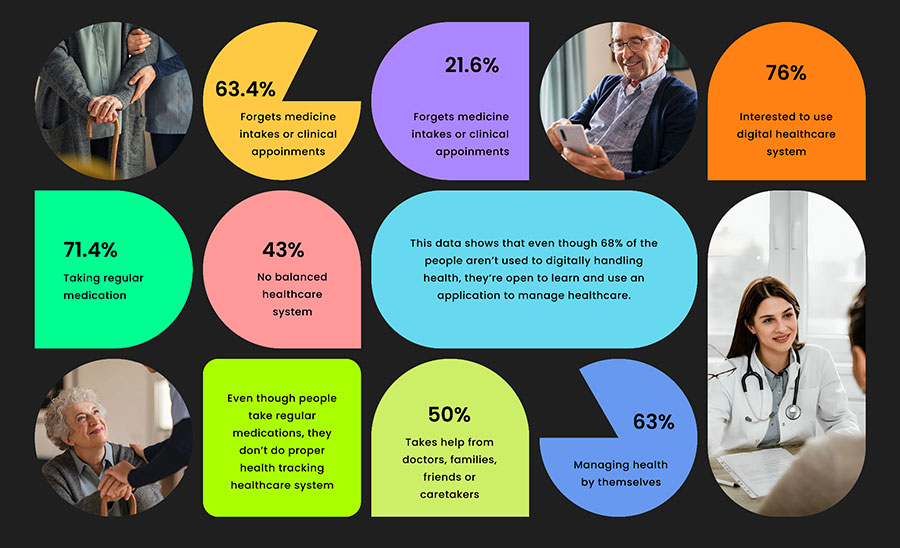
- Primary research: Conducted surveys, interviews, and public observations to gather real-time user insights on medication reminders, appointment scheduling, and trust in digital healthcare solutions.
These insights helped me understand that users needed not just functionality, but also simplicity, trust, and accessibility.
UX Case Study: Structuring the Experience
Before designing visuals, I focused on user-centered design principles:
- User personas: Represented different user types and behaviors.
- Empathy maps: Captured users' thoughts, feelings, and frustrations.
- User journey maps: Highlighted pain points in booking appointments, managing prescriptions, and accessing healthcare services.
- Information architecture & user flows: Ensured logical organization of features like appointment booking, medicine reminders, and emergency SOS features.
This structured approach helped create intuitive navigation and meaningful interactions.
Wireframing: Translating Ideas to Structure
I started with low-fidelity wireframes to focus on functionality without distraction. Key priorities included:
- Simple navigation
- Clear information hierarchy
- Accessibility for all age groups
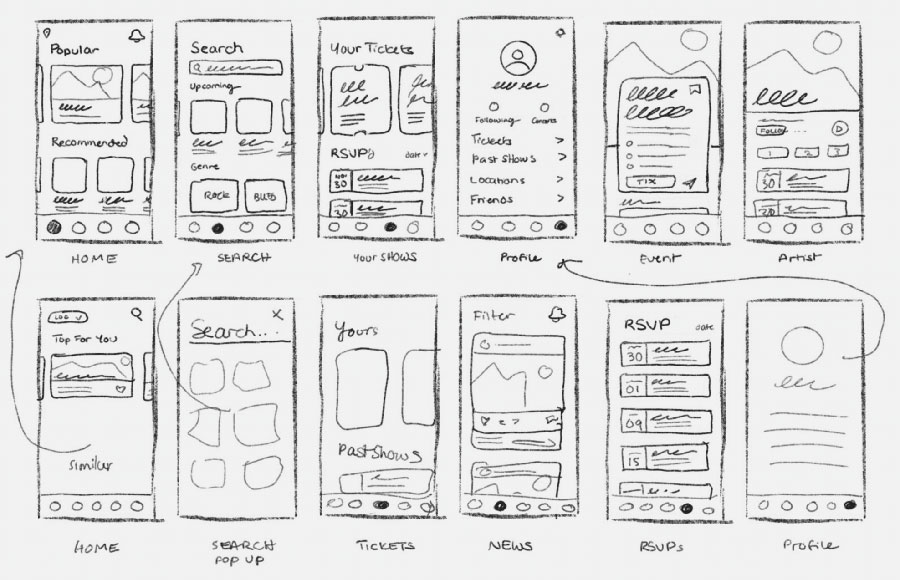
Multiple iterations refined the layouts, creating a blueprint for the final UI design.
UI Design: Crafting a Visually Appealing Interface
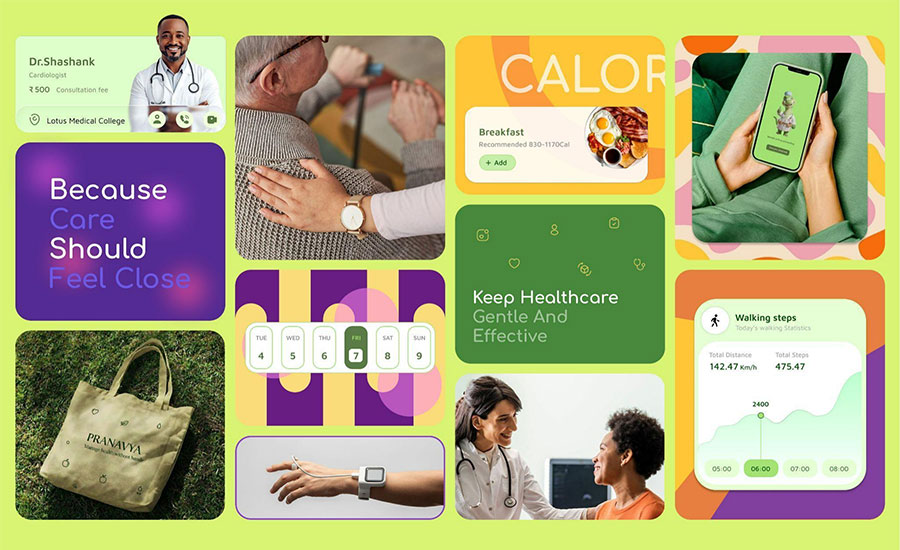
High-fidelity design in Figma focused on clarity, trust, and usability. My design system included:
- A green color palette symbolizing health, trust, and calmness
- Clean typography using Maven Pro
- Consistent UI components such as buttons, cards, and icons
Every decision was guided by the UI/UX principles learned at ICAT College, ensuring the interface was approachable and minimal while retaining professional quality.
Prototyping: Making the App Interactive
Interactive prototypes allowed testing of real user interactions:
- Booking doctor appointments
- Setting medicine reminders
- Activating emergency SOS features
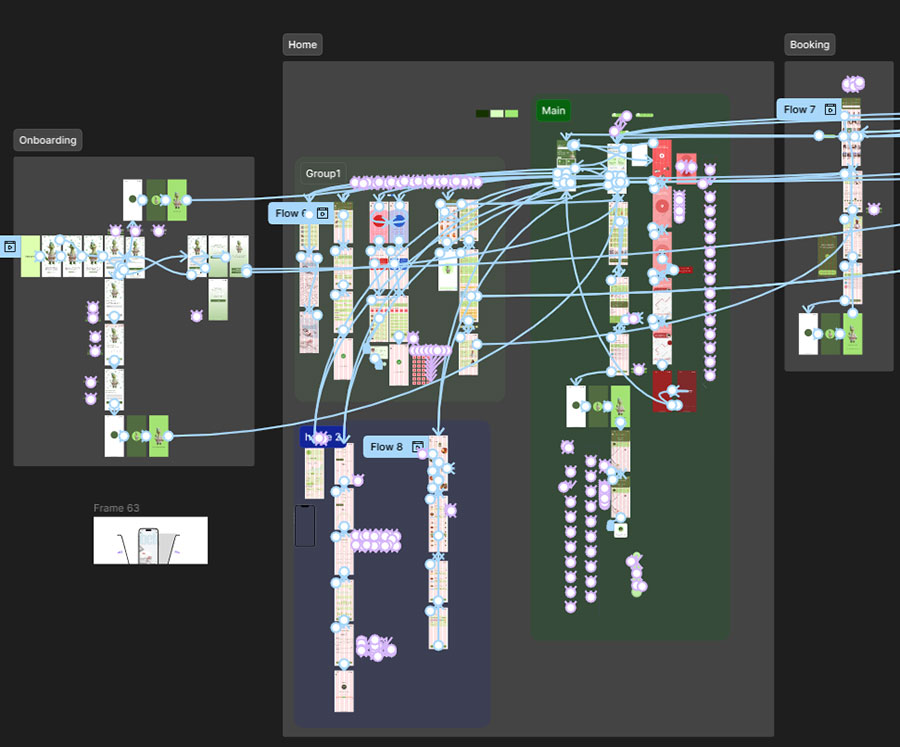
This step revealed usability issues, helped refine flows, and highlighted the importance of micro-interactions for a smooth user experience.
UI/UX Presentation: Showcasing the Design Journey
The final stage involved presenting the UX case study and UI designs:
- Research insights and user interviews
- Wireframe iterations
- UI exploration and design system
- Interactive prototypes and usability testing
This highlighted both the process and the final product, emphasizing the value of thoughtful, user-centered design in solving real-world healthcare challenges.
Presenting PRANAVYA at the ICAT College Graduation Showcase was an invaluable experience. Receiving feedback from faculty, industry professionals, and visitors boosted my confidence and validated my design approach.
Conclusion:
Designing PRANAVYA taught me that successful UI/UX design goes beyond aesthetics, it's about empathy, research, and creating seamless experiences that solve real problems. From wireframing to interactive prototypes, every step reinforced the importance of user-centered solutions.
This project is a testament to the skills I acquired through UI and UX courses at ICAT College of Design and Media. PRANAVYA is more than a graduation project, it represents my commitment to designing meaningful digital experiences that improve everyday life.
Explore more student UI/UX project blogs to see how innovative ideas are brought to life.