
Explore how a game design student built Tiny Team Tactics, a co-op multiplayer experience focused on teamwork, communication, and strategy. Learn game design insights from ICAT College.
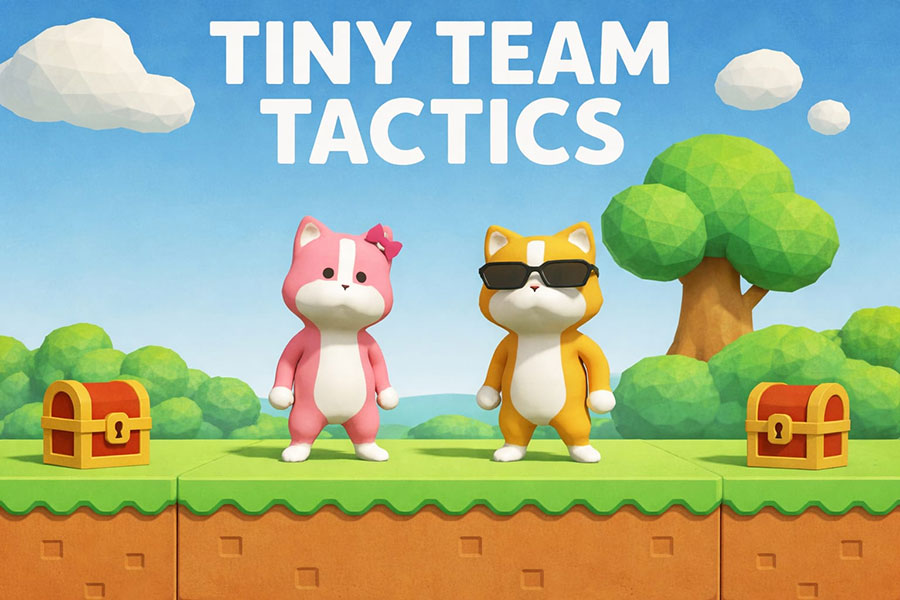
Hi! I'm Melvin Mathew, the Game Designer behind Tiny Team Tactics. For my final year project, I collaborated with Vaibhav Bisht (Lead Game Developer) and Atharva Lad (2D/3D Artist) to create a game that reflects our understanding of interactive experiences not just as systems, but as shared experiences.
At ICAT College of Design & Media, we are encouraged to push beyond conventional ideas. This innovative approach reflects the experiential learning from the Game Design Course where we explored how collaboration both among developers and players can shape meaningful gameplay.
Why a Multiplayer Co-op Game?
I chose to focus on multiplayer co-op because I believe games are at their best when they bring people together. There's something uniquely engaging about working with another player toward a shared goal, especially when the game actively requires cooperation instead of allowing players to succeed individually.
With Tiny Team Tactics, the goal was to create "communication-first" moments. Whether it's planning a move, reacting to a situation, or recovering from a mistake, every action becomes more meaningful when it affects not just you, but your teammate as well. As the designer, I kept asking myself: "Does this mechanic encourage players to work together?" If the answer was no, we pivoted. This philosophy extended to our team dynamic; Atharva ensured the visual design was clear enough for players to read the board instantly, while Vaibhav ensured the networking felt smooth and responsive.
Designing for Teamwork
Designing gameplay for Tiny Team Tactics was one of the most exciting parts of the project. Unlike single-player games, where the focus is on individual skill, a co-op game shifts the focus to coordination.
Each level and scenario was built around the idea that players must depend on each other. This could mean splitting roles, timing actions together, or supporting each other in high-pressure moments. I wanted players to feel like they were part of a small but efficient team where every decision matters.
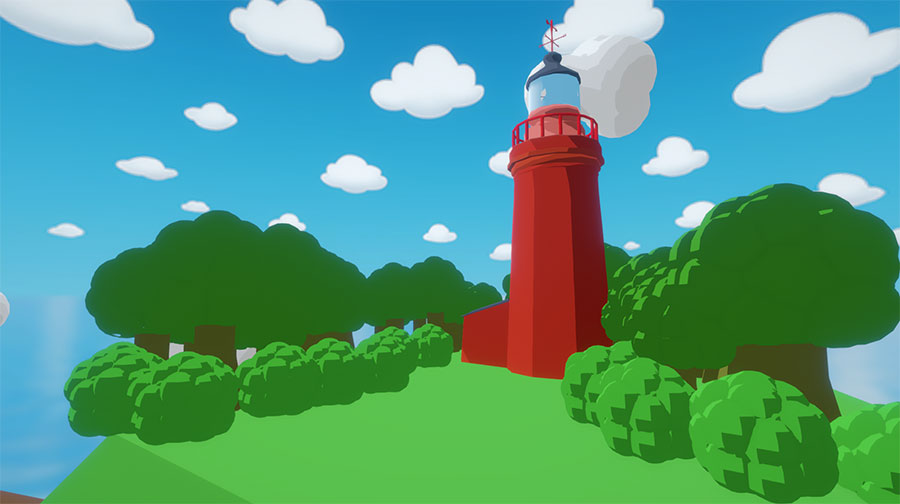
One important aspect I focused on was the "engagement loop." In many multiplayer games, waiting for your partner can become boring. I worked to design situations where both players have something meaningful to do at all times. We also focused heavily on the learning curve; early levels introduce mechanics simply, while later stages combine them into demanding, complex puzzles that require high-level synchronicity.
The Biggest Challenges
The road wasn't without its hurdles. One of the biggest challenges was ensuring the co-op aspect was essential, not optional. During early development, we found moments where players could act independently and still win. This forced us to rethink and redesign several levels to ensure that cooperation was the only path to victory.
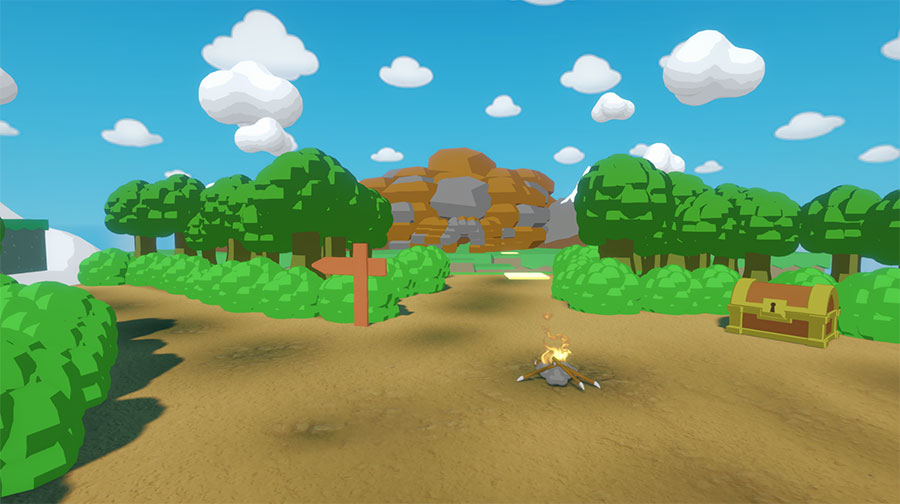
Clarity was another major hurdle. In a multiplayer environment, things can quickly become confusing. Some early testers struggled—not because the challenge was too hard, but because the objectives weren't communicated clearly. Balancing the roles was also a delicate act; if Vaibhav or Atharva and I noticed one role felt more "powerful" than the other, it broke the sense of teamwork. Achieving this balance required constant iteration and a lot of "back to the drawing board" sessions.
Reflections
Looking back, Tiny Team Tactics taught me that designing for people is as much about psychology as it is about mechanics. Seeing the game in the hands of an audience was the ultimate reward. The feedback was incredibly eye-opening; we observed some teams who communicated constantly, whispering plans like professional tacticians, while others relied on frantic, high-energy reactions. Hearing players laugh after a narrow escape or groan in unison after a shared mistake confirmed that we had achieved our goal of bringing people together.
Graduation showcase
Tiny Team Tactics was proudly presented at the ICAT College Graduation Showcase held at Mantri Square Mall, where it was experienced by students, faculty, and industry visitors. Watching new players pick up the game, figure things out, and naturally start communicating with each other was a highlight of the event. It created a space for real-time feedback and meaningful conversations around design choices, player behavior, and multiplayer dynamics. It wasn't just about displaying a finished product, it was about understanding how people engage with it.
Conclusion
This project reminded me why I chose game design in the first place. Beyond the technical skills I developed while working with Vaibhav and Atharva, the biggest lesson was adaptability. Ideas that seem perfect on paper rarely survive first contact with players. As a designer, your real job is to listen to the game, and to the people playing it. I'm leaving this project with a much deeper appreciation for the human side of game development, and a strong excitement to carry these lessons into the next chapter of my career.
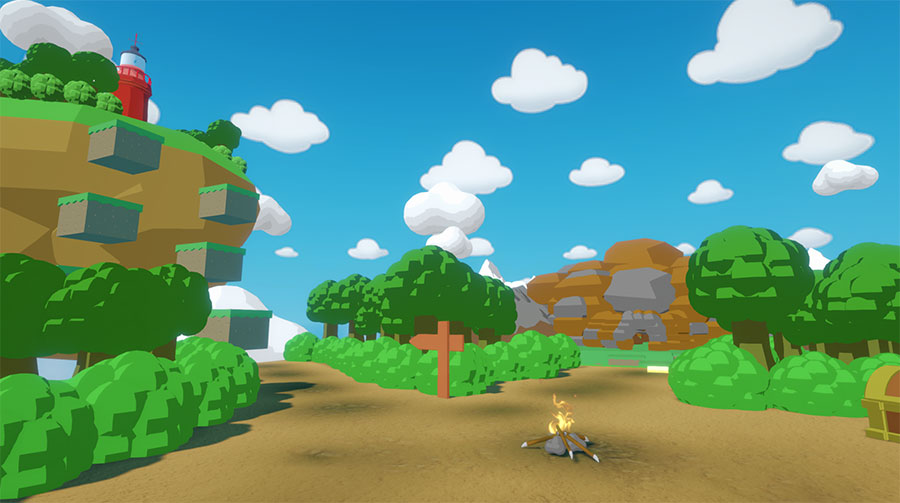
Explore more student project blogs to see how innovative ideas are brought to life.