
Introduction: Redefining Spaces Through Adaptive Reuse
Interior design today is not just about creating new spaces; it is about reimagining and revitalizing existing ones. The Micro School Project explores how an abandoned building can be transformed into a vibrant, inclusive learning environment for all age groups.
Built on the principle of adaptive reuse in interior design, this project demonstrates how neglected structures can be converted into meaningful, functional spaces while preserving their historical identity. This is where professional training from the Interior Design Programme plays a crucial role in shaping designers who can create impactful, sustainable spaces.
Concept: Revival Through Learning
The core idea behind this project is "revival through learning." An abandoned structure, once forgotten, becomes a symbol of transformation; just like education itself.
Key Design Principles:
- Reuse: Retaining the original structure and materials
- Inclusivity: Designing for all age groups
- Adaptability: Supporting diverse learning styles and activities
The design celebrates the contrast between old and new, blending heritage with modern functionality.
Site and Context: Preserving Identity
Rather than replacing the building, the design works with it.
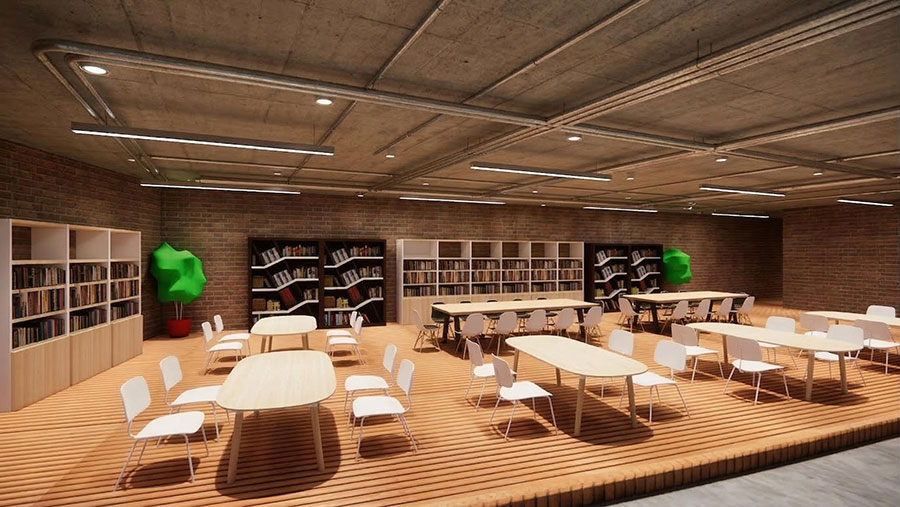
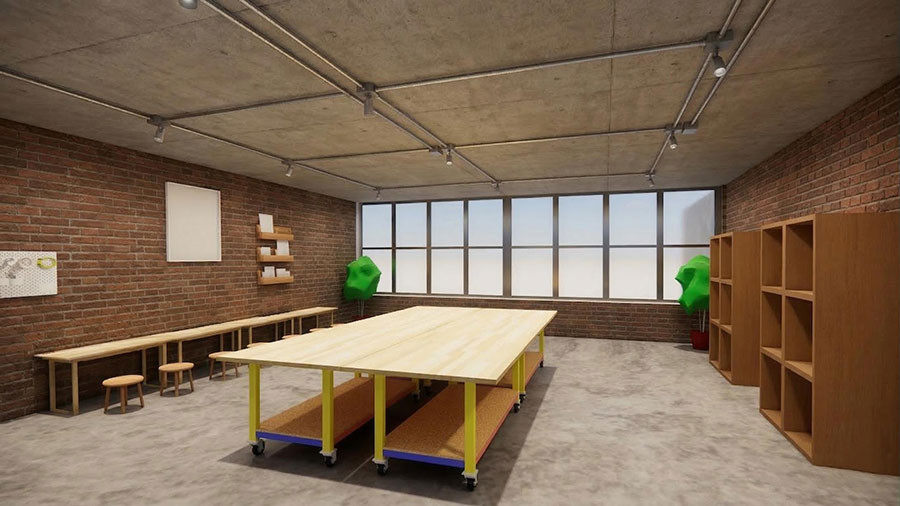
- Preserving exposed brick walls and structural elements
- Restoring damaged areas using sustainable methods
- Enhancing natural light and ventilation
- Retaining raw textures as part of the aesthetic
This approach turns the building's imperfections into design strengths.
Spatial Planning and Zoning
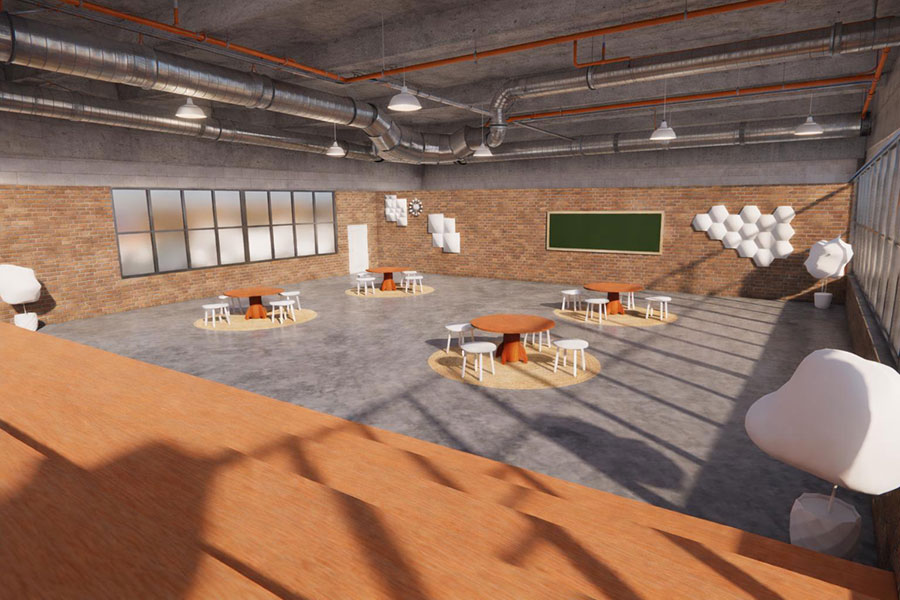
The layout is designed to be flexible, open, and interactive. The building is organized into flexible zones, including collaborative learning spaces, quiet study areas, interactive studios, and social hubs. These zones are not rigidly separated but flow into one another, creating a sense of continuity.
Double-height areas act as central gathering zones, while smaller spaces provide focused learning environments. Outdoor extensions like courtyards enhance the experience by connecting users with nature.
Material Palette: Blending Old and New
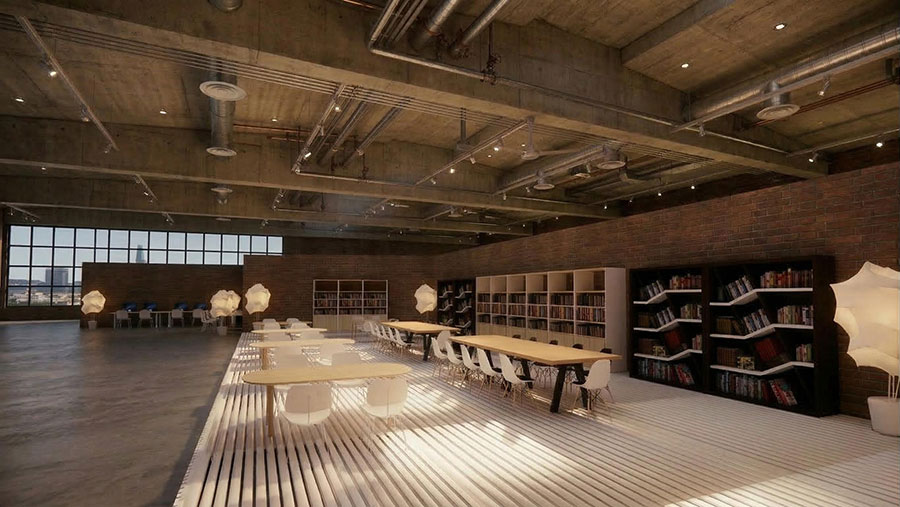
The project combines existing materials with modern elements to create a balanced aesthetic.
Materials Used:
- Existing: Brick, concrete, metal
- New: Glass, steel, engineered wood

Design Approach:
- Neutral, earthy color palette
- Highlighting original textures
- Adding vibrancy through furniture and elements
This creates a harmonious contrast between heritage and innovation.
Lighting Design: Transforming the Atmosphere
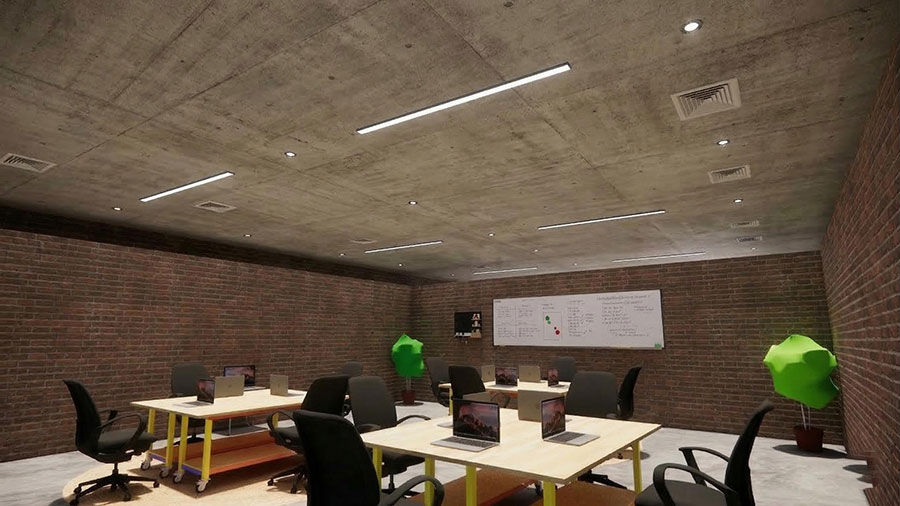
Lighting plays a crucial role in redefining the abandoned structure.
- Maximized natural light through skylights and open windows
- Warm lighting to enhance textures and comfort
- Task lighting for focused learning activities
- Layered lighting for multi-functional use
The result is a space that feels welcoming, dynamic, and adaptable.
Furniture and Flexibility
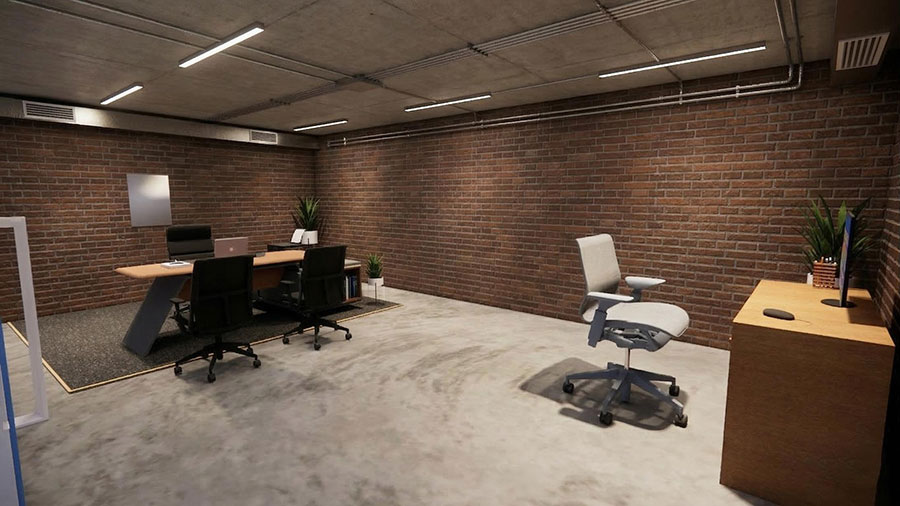
Flexibility is key to supporting multiple learning styles.
Features:
- Modular and movable furniture
- Multi-functional seating and desks
- Informal learning setups (lounges, floor seating)
- Built-in storage using existing architectural niches
This allows users to reconfigure spaces based on their needs.
User Experience and Inclusivity
The Micro School is designed as a community-driven learning space.
Highlights:
- Barrier-free accessibility (ramps, handrails)
- Clear circulation within existing structure
- Multi-age interaction and collaboration
- Engaging, immersive learning environment
The adaptive reuse approach adds a unique identity, making learning more interactive and memorable.

Sustainability and Adaptive Reuse
Sustainability is at the heart of this project.
Eco-Friendly Strategies:
- Reusing existing building structure
- Minimizing construction waste
- Natural ventilation and daylight optimization
- Energy-efficient systems
This project showcases how adaptive reuse contributes to sustainable interior design and cultural preservation.
You can explore similar creative works through Student Design Projects, where innovative ideas come to life.
Challenges and Learnings
Working with an abandoned structure presented unique challenges:
- Structural limitations and material degradation
- Integrating modern systems into old frameworks
- Balancing preservation with functionality
Key Learnings:
- Adaptive reuse requires strategic thinking
- Constraints can inspire creative solutions
- Design can transform neglected spaces into valuable environments
Conclusion: Designing Transformation Through Reuse
The Micro School project demonstrates how interior design can bridge the past and the future by transforming an abandoned building into a dynamic, inclusive learning environment. It highlights the true potential of adaptive reuse; where sustainability, creativity, and purpose come together to redefine spaces.
More than creating something new, this project reflects the power of reimagining existing structures to serve evolving needs. By integrating inclusivity and innovation, it presents a forward-thinking vision for education and community-driven learning.
Presenting this project at the ICAT College Graduation Showcase at Mantri Square Mall was a valuable milestone. The feedback from faculty, industry professionals, and visitors not only validated my efforts but also strengthened my confidence as a designer.
You can read more inspiring journeys in student project blogs to see how students are shaping real-world solutions through design.