
Explore how a sustainable rehabilitation center uses interior design, biophilic elements, and eco-friendly strategies to create healing spaces for physical and emotional well-being.
Introduction: Designing Spaces That Heal
Interior design plays a powerful role in shaping human well-being, especially in spaces dedicated to healing and recovery. As part of my academic journey, I developed a Sustainable Rehabilitation Center project that integrates therapeutic design with eco-conscious strategies.
This project focuses on creating an environment that supports not just physical recovery, but also emotional and mental well-being. It reflects how thoughtful design can transform healthcare spaces into nurturing environments that inspire hope and resilience.
If you're interested in designing impactful spaces like this, explore the Interior Design Programme at ICAT College of Design and Media to learn how design influences real-world wellness.
Concept & Design Philosophy: Healing in Harmony with Nature
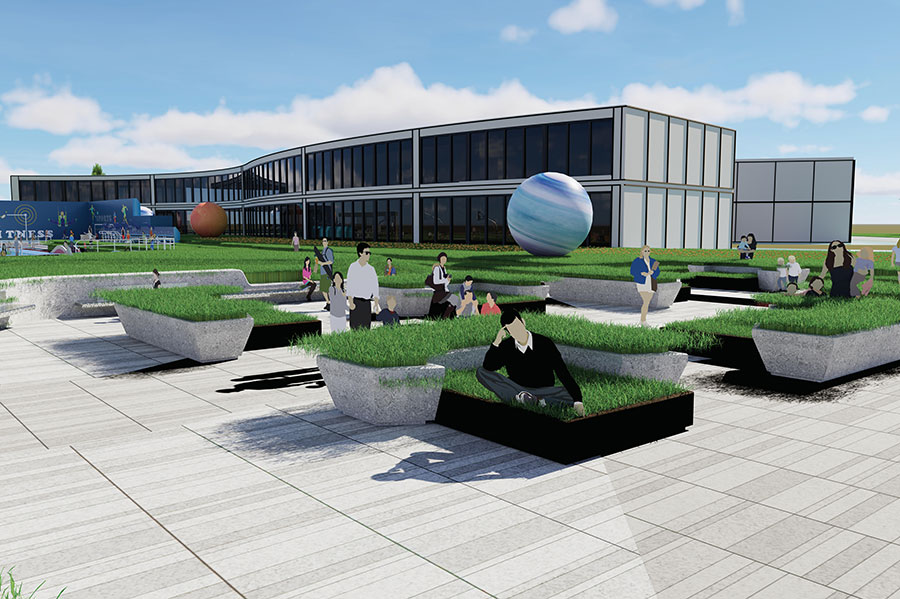
The core concept of this project is "healing in harmony with nature." It emphasizes the connection between natural elements and the built environment to reduce stress and enhance recovery.
The design is guided by three principles:
- Wellness: Supporting physical and psychological healing
- Sustainability: Using eco-friendly materials and systems
- Comfort: Creating safe, calming, and inclusive spaces
This approach ensures that patients feel cared for and emotionally supported throughout their journey.
Spatial Planning: Function Meets Comfort
The rehabilitation center is divided into functional zones: Reception and waiting areas, Therapy spaces (physiotherapy & occupational therapy), Patient rooms, Counseling rooms, Recreational and social zones.
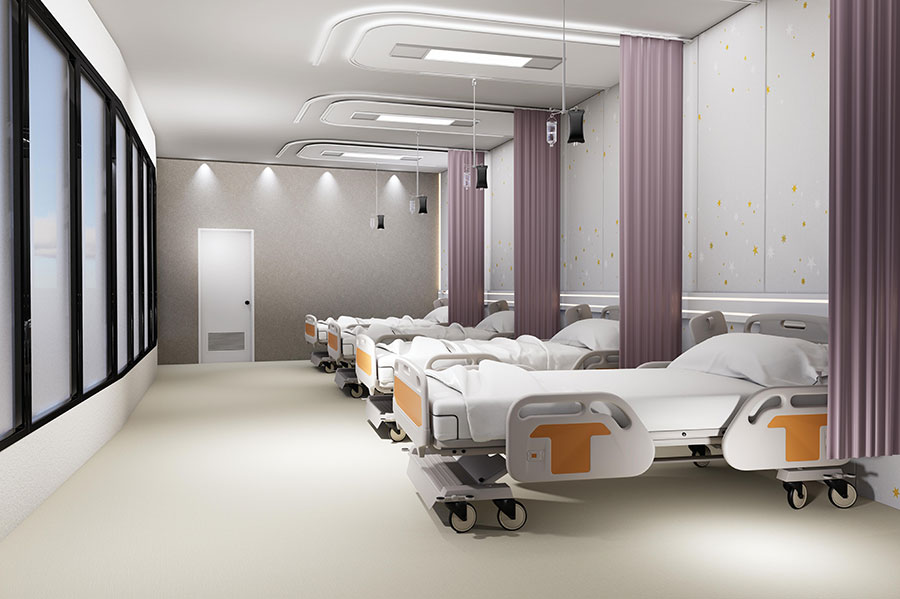
The reception area serves as a welcoming entry point, designed to reduce anxiety and create a positive first impression. Soft lighting, natural materials, and calming colors set the tone for the entire space. Therapy zones are designed to be flexible and well-equipped, supporting a variety of rehabilitation activities. Patient rooms are designed for comfort and privacy, incorporating natural light, ergonomic furniture, and soothing interiors. Counseling rooms provide quiet, confidential spaces for mental health support. Recreational and social areas encourage interaction and relaxation, helping patients build a sense of community and emotional support.
Similar innovative layouts can be explored in Student Design Projects, where students bring real-world concepts to life.
Material Palette & Aesthetic Language
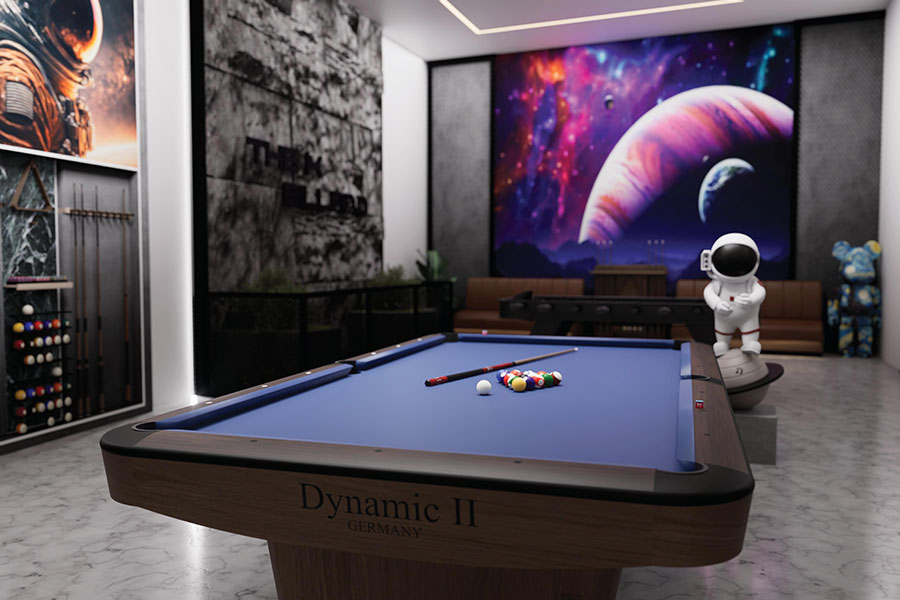
Materials play a key role in shaping the healing experience. This project uses:
- Bamboo and reclaimed wood
- Cork and low-VOC finishes
- Soft, natural fabrics
The color palette is inspired by nature, featuring soft greens, warm neutrals, and earthy tones to create a calming and stress-free environment.
Lighting Design: Enhancing Mood and Recovery
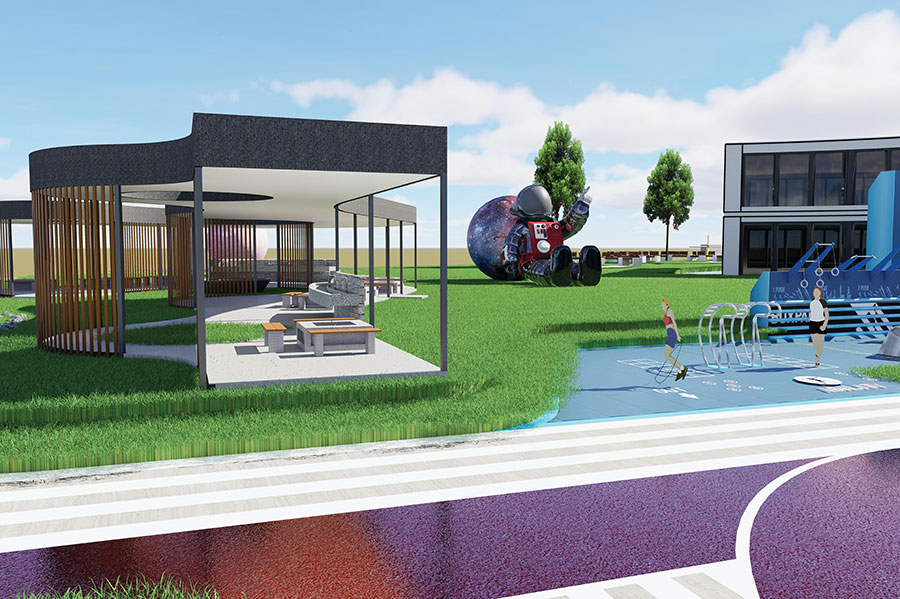
Lighting is designed to support both functionality and emotional comfort:
- Natural light through windows and courtyards improves mood
- Warm artificial lighting creates a cozy atmosphere
- Layered lighting systems adapt to therapy and relaxation needs
Biophilic Design: Connecting with Nature
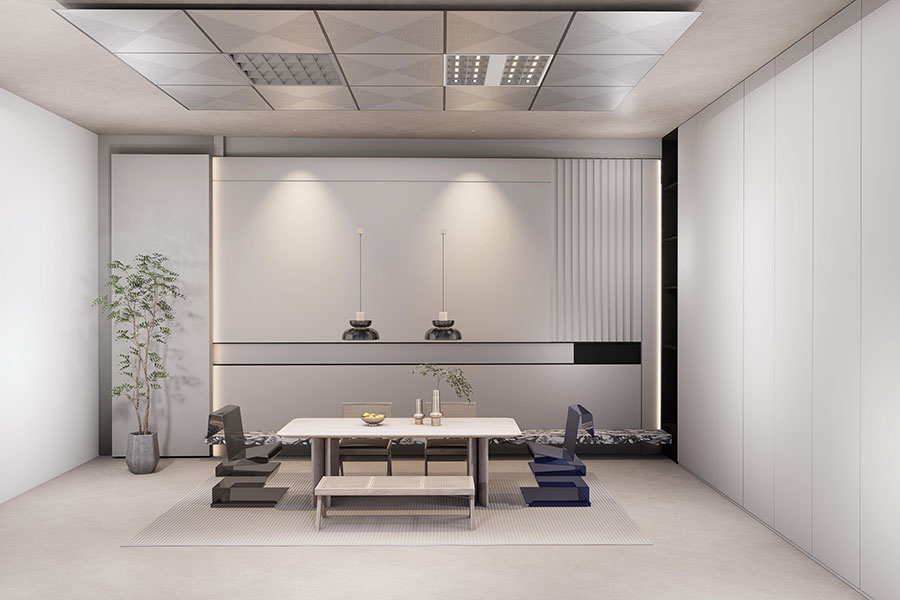
Biophilic design is central to the project, integrating:
- Indoor plants and green walls
- Water features
- Outdoor therapy gardens
These elements reduce stress, improve mental clarity, and enhance the healing process.
Furniture & Ergonomics:
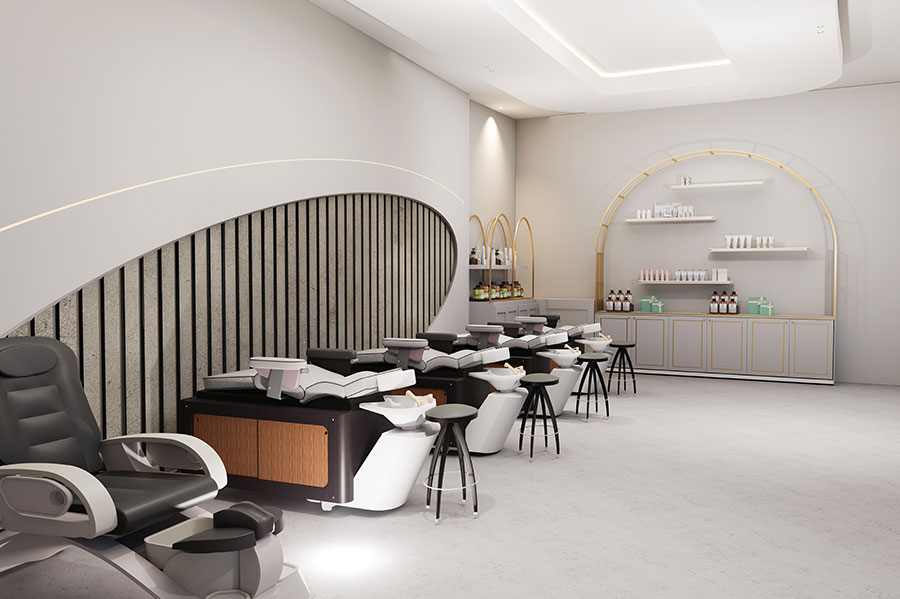
Furniture is designed for accessibility and safety:
- Ergonomic seating and adjustable beds
- Rounded edges and non-slip materials
- Flexible layouts for different therapy sessions
This ensures comfort for patients with varying physical conditions.
User Experience & Accessibility
The center is designed to be inclusive and easy to navigate:
- Barrier-free access (ramps, wide corridors)
- Clear wayfinding systems
- Quiet, acoustically controlled spaces
These features create a seamless and stress-free user experience.
Sustainability Strategies: Designing for the Future
Sustainability is deeply embedded in the design through:
- Renewable and recycled materials
- Natural ventilation and passive cooling
- Solar panels and rainwater harvesting
- Energy-efficient lighting systems
This project demonstrates how healthcare design can be both environmentally responsible and user-centered.
Challenges & Learnings
Designing a rehabilitation center required balancing clinical functionality with emotional comfort.
Key learnings include:
- Creating spaces that feel welcoming, not institutional
- Integrating sustainability without compromising hygiene
- Designing with empathy for vulnerable users
- Conclusion: Designing for Healing and Hope
The Sustainable Rehabilitation Center project highlights how interior design can actively support healing and recovery by combining wellness-focused planning with sustainable strategies. It goes beyond treatment to create a space that inspires hope, promotes resilience, and enhances quality of life.
This project reflects a vision of healthcare design that is compassionate, innovative, and environmentally conscious, demonstrating that thoughtful design can become a powerful tool for positive change.
Presenting this project at the ICAT College Graduation Showcase at Mantri Square Mall was a valuable milestone. The feedback from faculty, industry professionals, and visitors not only validated my efforts but also strengthened my confidence as a designer.
You can read more inspiring journeys in student project blogs to see how students are shaping real-world solutions through design.