
Explore The Healing Hive, a music therapy centre design that combines interior design, acoustics, and biophilic elements to create a calming space for mental wellness and emotional healing.
Introduction: Designing for Mental Wellness
In today's fast-paced world, stress, anxiety, and mental fatigue have become part of everyday life. As people search for ways to reconnect with themselves, alternative healing methods like music therapy are gaining importance.
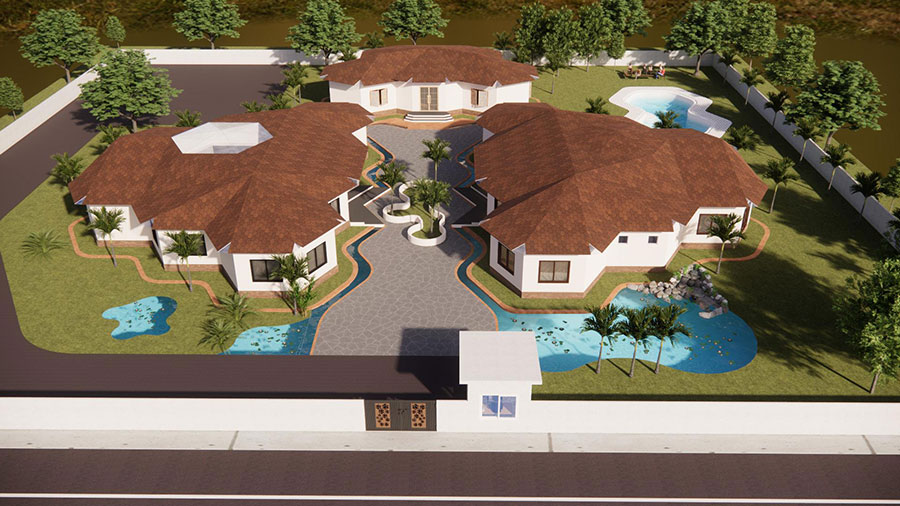
The Healing Hive is envisioned as a holistic space that blends music, nature, and interior design to create a calming and immersive healing environment. Inspired by the harmony of a hive, the project offers a safe, nurturing space where individuals can pause, reflect, and reconnect with their inner selves.
What is Music Therapy?
Music is often called a universal language, it transcends boundaries and connects deeply with human emotions. Music therapy goes beyond passive listening; it involves active engagement through sound, rhythm, instruments, and voice.
Benefits of music therapy include reduced stress and anxiety, improved mood and emotional balance, enhanced relaxation and mental clarity. This makes it a powerful and holistic approach to well-being.
The Role of Interior Design in Healing Spaces
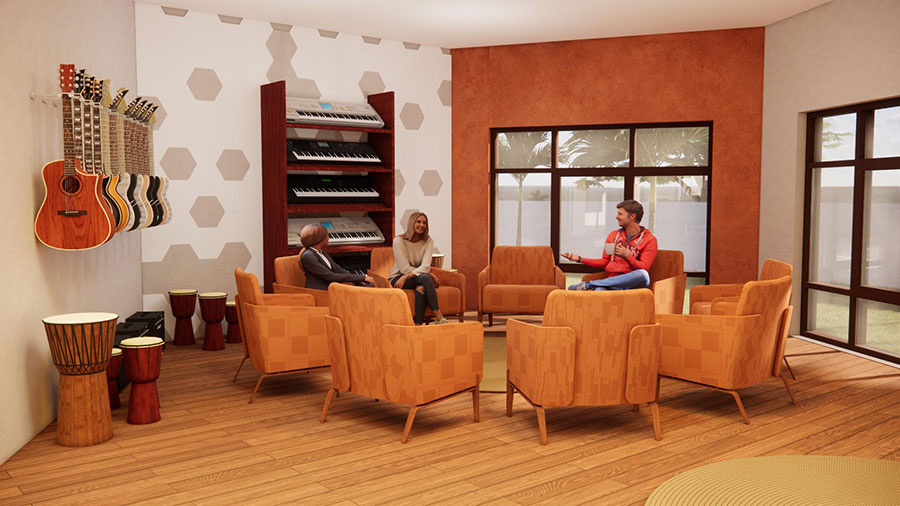
The effectiveness of music therapy is not just about sound; it is deeply influenced by the environment in which it is experienced. A well-designed interior can enhance relaxation, reduce distractions, and improve emotional comfort. This is where professional training from the Interior Design Programme plays a crucial role in shaping impactful spaces.
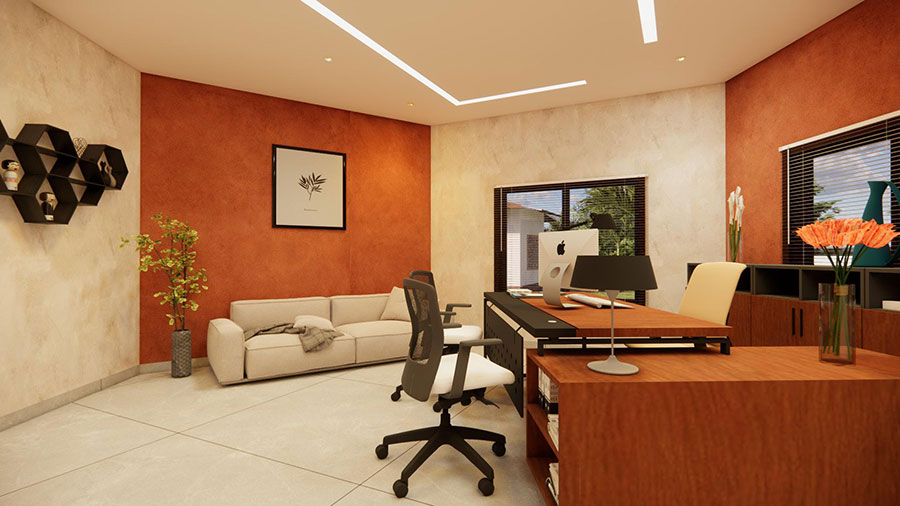
Biophilic Design: Bringing Nature Indoors
The Healing Hive incorporates biophilic design by integrating natural materials like wood and stone, indoor plants, and ample natural light, water features for calming effects. These elements create a grounded and calming atmosphere that supports emotional healing.
You can explore similar creative works through Student Design Projects, where innovative ideas come to life.
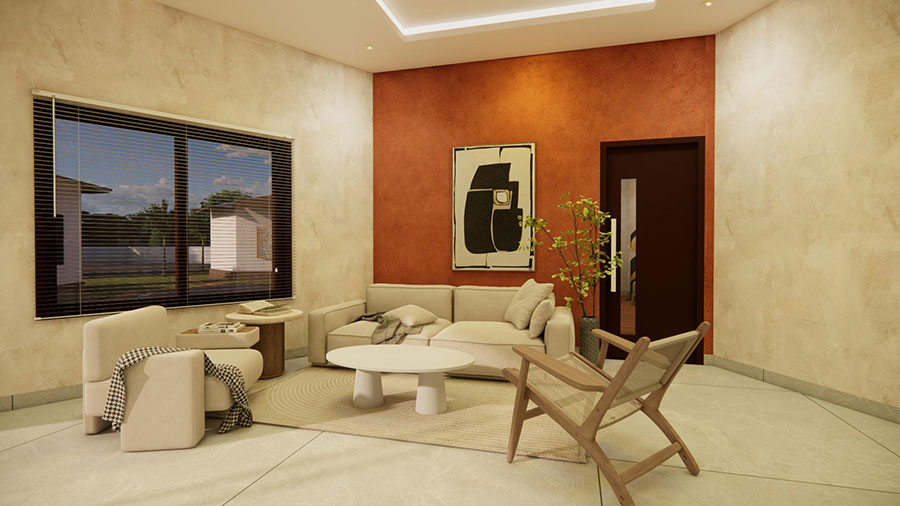
Lighting Design: Setting the Mood
Lighting in The Healing Hive is soft, warm, and adaptable. It enhances relaxation while supporting different therapy activities, ensuring a comfortable and immersive experience.
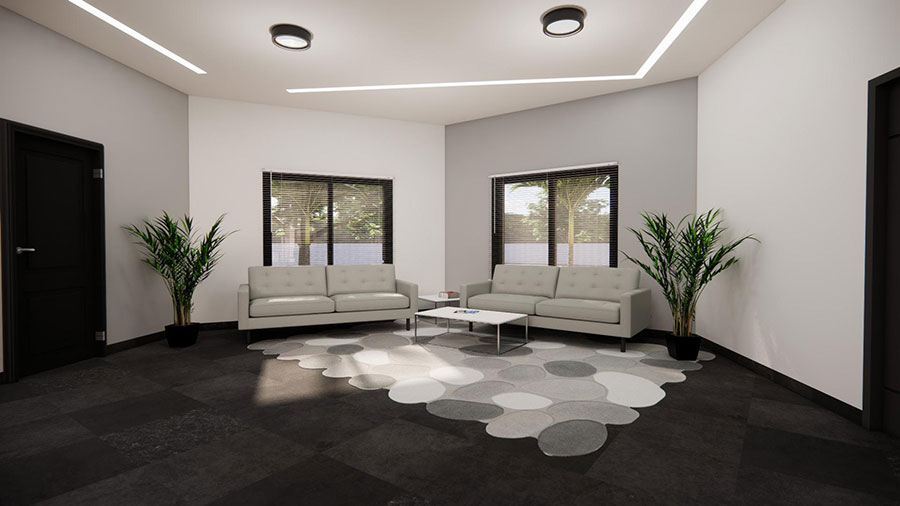
Acoustic Design: The Core of Music Therapy Spaces
Acoustics are at the heart of any music therapy centre. The use of soft materials, acoustic panels to absorb noise, and customized acoustic zones ensures a balanced and immersive auditory environment.
Spatial Planning: Designing for Flow and Function
The centre is divided into zones such as individual therapy rooms, group spaces, sound healing zones, and relaxation lounges. Smooth transitions between these zones create a seamless user experience.
Comfort, Privacy & User Experience
Comfort and privacy are key to therapeutic spaces. Ergonomic furniture, soft furnishings like cushions and rugs, and Private, distraction-free environments ensure users feel safe and relaxed throughout their experience.
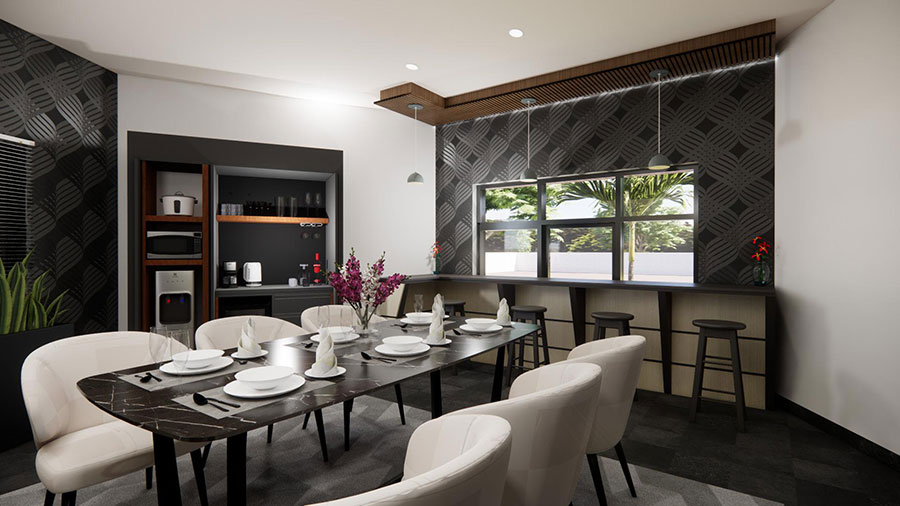
Technology Integration: Enhancing Without Overpowering
Modern tools like digital sound systems, recording tools and interactive installations are integrated subtly, maintaining a balance between functionality and a calming atmosphere. In The Healing Hive, technology is integrated subtly to support functionality without disturbing the calming ambience.
A Multi-Sensory Healing Experience
The Healing Hive engages multiple senses like sight (lighting, colors, textures), sound (music and acoustics), touch (materials and comfort), and spatial perception (layout and flow) to create a deeply immersive and restorative environment.
Why This Project Matters
With increasing awareness of mental health, there is a growing demand for wellness-focused environments. The Healing Hive highlights how interior design can support emotional well-being, enhance therapeutic practices and improve quality of life. It redefines design as not just aesthetic, but deeply functional and empathetic.
Conclusion: Designing Spaces That Heal
The Healing Hive represents a thoughtful integration of music, nature, and interior design, demonstrating how spaces can actively support emotional well-being. By focusing on acoustics, lighting, materials, and spatial planning, the project highlights the power of design in creating calming and meaningful environments.
Ultimately, it shows that interior design goes beyond aesthetics; it is about crafting experiences that heal, inspire, and connect people to themselves. This journey also reinforced that while technical skills are essential, passion and creativity are what truly bring design to life.
Presenting this project at the ICAT College Graduation Showcase at Mantri Square Mall was a valuable milestone, where feedback from faculty, industry professionals, and visitors validated my efforts and strengthened my confidence as a designer.
You can read more inspiring journeys in student project blogs to see how students are shaping real-world solutions through design.