
An Interior Design Thesis on Storytelling and Experience
Interior design is more than just arranging spaces; it is about creating experiences, emotions, and meaningful narratives. As a final-year interior design student at ICAT College of Design and Media, my thesis project, the Vintage Bike Museum, became an opportunity to blend history, aesthetics, and spatial storytelling into one immersive environment.
This Vintage Bike Museum was not just about displaying motorcycles. It was about preserving legacy, evoking nostalgia, and taking visitors on a journey through time. This project reflects the hands-on learning approach followed in the Interior Design Course at ICAT, where students are trained to think beyond visuals and focus on experiential design.
Concept and Design Philosophy
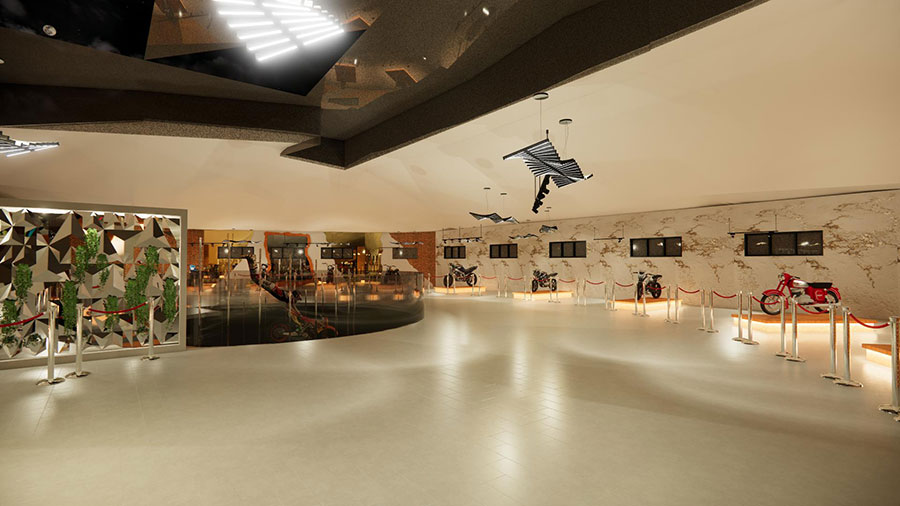
The core concept behind the museum was "motion frozen in time." Vintage bikes are not just machines; they represent cultural evolution, engineering milestones, and personal stories.
The design was built on three key principles:
- Preservation: Highlighting bikes as heritage artifacts
- Storytelling: Creating a chronological spatial journey
- Interaction: Engaging visitors beyond passive viewing
These principles are strongly emphasized in the Interior Design Course at ICAT, where students learn to design meaningful and user-centric spaces.
Spatial Planning and Zoning
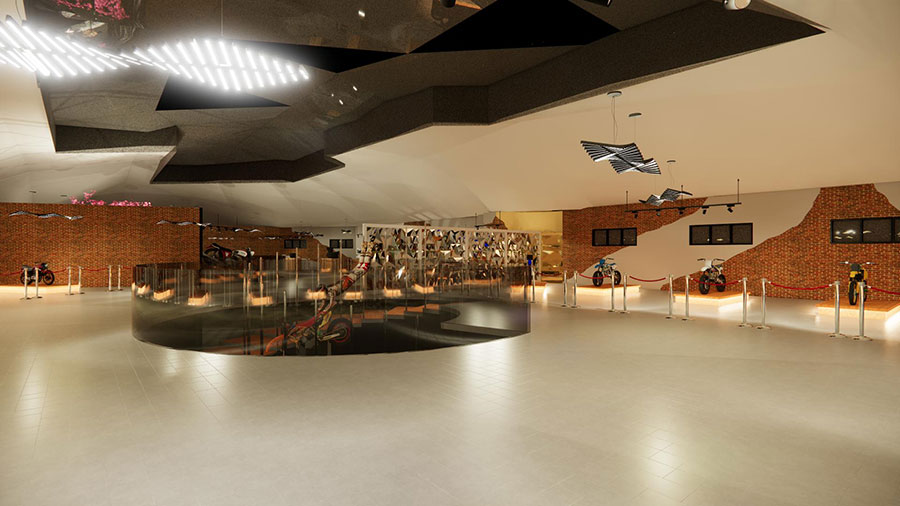
The museum layout was carefully designed to guide visitors through different eras:
- Early Mechanical Era
- Post-War Evolution
- Modern Classics
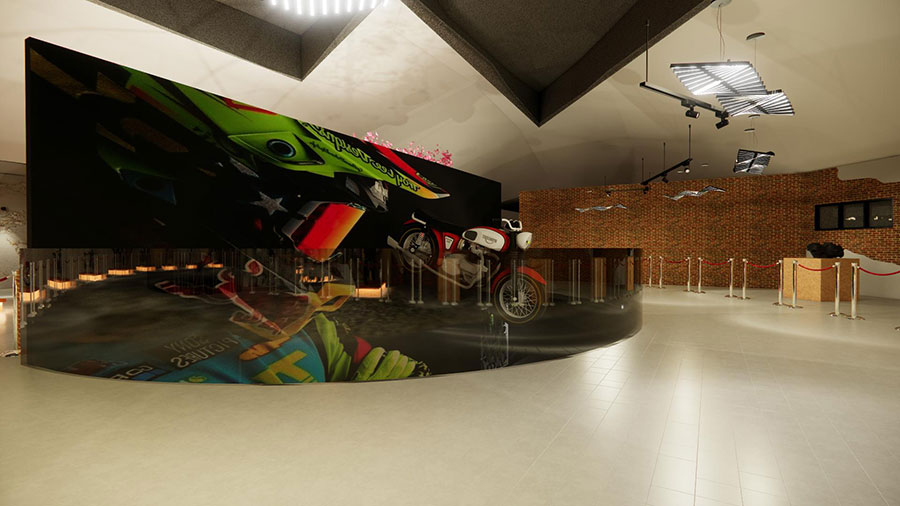
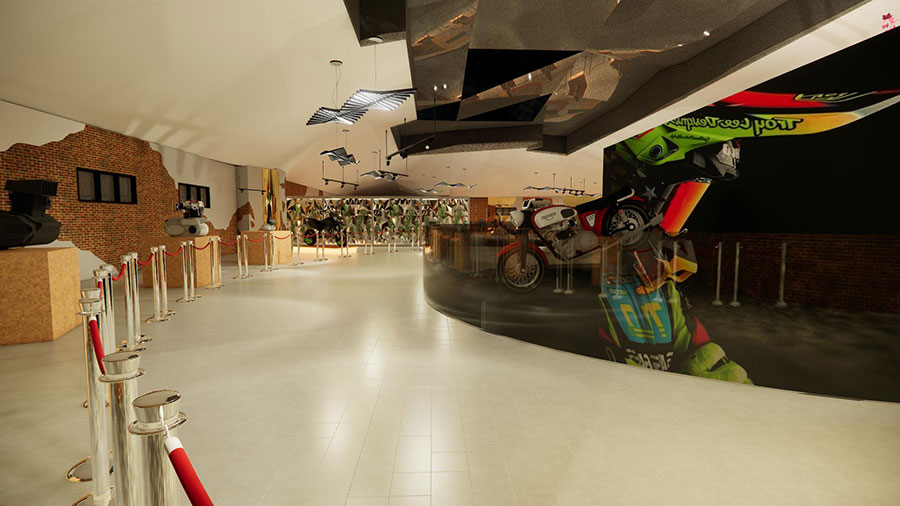
The entrance lobby acts as a transition space with industrial materials and ambient lighting. A linear circulation path ensures smooth movement and a clear narrative flow.
To enhance spatial experience:
- Double-height spaces highlight iconic bikes
- Intimate zones showcase rare models
- Open layouts avoid visual clutter
Material Palette and Aesthetic Language
Materials played a major role in reinforcing the vintage theme. The design used:
- Exposed brick
- Weathered wood
- Corten steel
- Concrete
Each zone subtly changes in tone and texture to reflect its time period. Flooring patterns help define spaces while maintaining visual continuity.
Lighting Design
Lighting was one of the most critical aspects of the project.
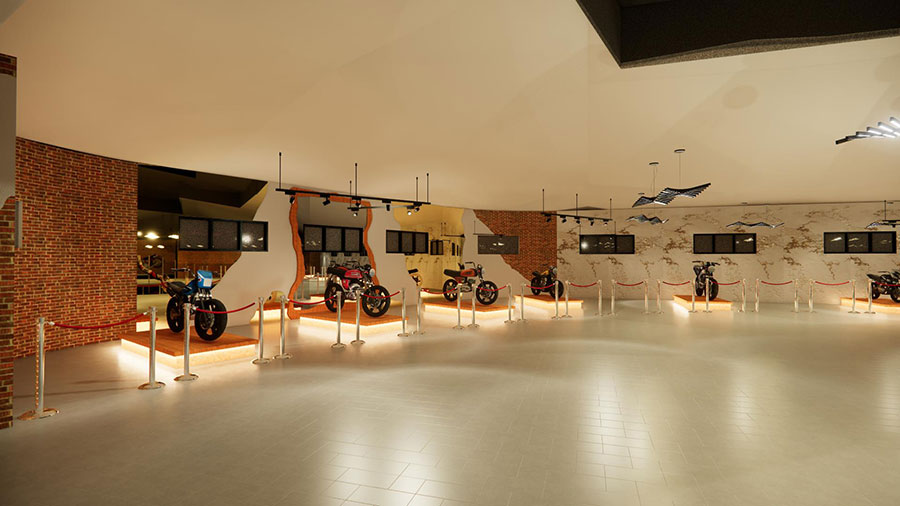
A layered approach was used:
- Ambient lighting for overall visibility
- Accent lighting to highlight bikes
- Interactive lighting for engagement
Warm tones enhanced the nostalgic feel, while motion-sensor lighting added a sense of discovery.
Display and Exhibition Design
The display strategy balanced protection and visibility:
- Raised platforms for multi-angle viewing
- Transparent barriers for safety
- Integrated information panels using metal and glass
Interactive elements like digital screens and augmented reality features added depth to the visitor experience.
User Experience and Circulation
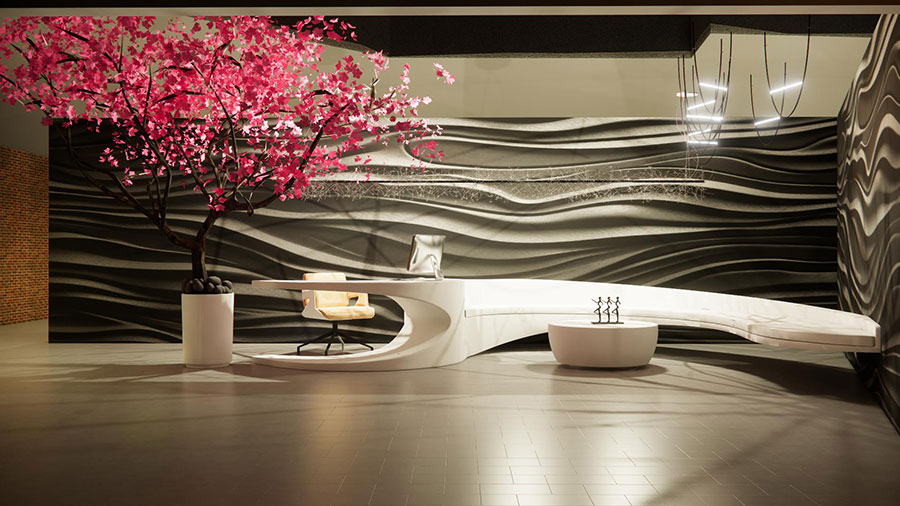
The museum was designed to be intuitive and comfortable:
- Clear pathways for easy navigation
- Seating areas for rest and interaction
- Inclusive design with ramps and wide walkways
Every element was planned to ensure a seamless and engaging visitor journey.
You can explore similar creative works through Student Design Projects, where innovative ideas come to life.
Sustainability Considerations
Sustainability was integrated through:
- Reclaimed wood and recycled materials
- Energy-efficient LED lighting
- Natural lighting via skylights
These strategies reduced environmental impact while enhancing spatial quality.
Challenges and Learnings
One of the biggest challenges was balancing creativity with preservation. The design needed to enhance the experience without overshadowing the exhibits. Lighting reflective surfaces was another challenge that required extensive experimentation.
This project taught me that interior design is not just about aesthetics; it is about storytelling, emotion, and creating meaningful connections.
Conclusion
The Vintage Bike Museum project represents the culmination of my learning as an interior design student. It explores how design can transform history into an immersive experience. More than a display space, this museum is a narrative environment, where every material, light, and detail contributes to telling a story.
Showcasing my work at the ICAT College Graduation Showcase at Mantri Square Mall was a rewarding experience, and the positive feedback from faculty, professionals, and visitors was truly encouraging. It validated my design approach and boosted my confidence as an emerging interior designer.
You can read more inspiring journeys in student project blogs to see how students are shaping real-world solutions through design.