
Interior design has evolved far beyond fancy decoration for the wealthy; today it is a cultural necessity shaping how people live, work, and feel. In India especially, where rapid urbanisation, technological growth, and changing lifestyles intersect, interior design is no longer a luxury service but an essential discipline that improves daily life. From compact city flats to modern corporate campuses, the field now blends creativity with science, psychology, and sustainability to create spaces that cater to human needs.
Form follows function
Modern design thinking emphasises that beauty must serve purpose. As buildings become smarter and lifestyles more dynamic, designers craft interiors that are visually appealing yet highly functional.
In Indian metros such as Bengaluru, Hyderabad, and Pune, tech professionals often live in compact homes while working hybrid schedules. Designers respond by integrating foldable desks, modular seating, and concealed storage so that one room can serve as living room, office, and relaxation zone. This approach reflects broader social and economic shifts: as aspirations rise and living costs increase, people expect their interiors to work harder and smarter. Design is, therefore, seen not as decoration but as problem-solving.
Urban growth creates demand
India's growing cities illustrate how spatial constraints drive innovation. In Mumbai, where space is among the most expensive in the world, micro-flats require inventive layouts. Designers use sliding partitions, loft beds, mirrored walls, and multipurpose furniture to make 400 square feet feel spacious.
Even middle-class housing complexes now invest in thoughtfully designed lobbies, children's play corners, and shared terraces because residents recognise that well-planned common areas improve quality of life. Similarly, co-living spaces in cities like Chennai and Delhi rely on efficient design to balance privacy with community interaction. As urban density increases, the ability to transform tight spaces into comfortable environments will remain a defining skill for future designers.
Sustainability takes centre stage
Environmental awareness is reshaping the profession worldwide. Green building certifications and eco-friendly materials are becoming standard expectations rather than rare features. Clients increasingly request low-VOC paints, bamboo flooring, recycled metal fixtures, and locally sourced stone.
In Kerala and parts of Tamil Nadu in India, designers revive traditional cooling techniques such as inner courtyards, terracotta tiles, and cross-ventilation to reduce dependence on air-conditioning. Sustainable design also means minimising construction waste, choosing durable materials, and planning for long lifecycles. As climate challenges intensify, designers who understand environmental science and responsible sourcing will lead the industry.
Design for everyone
Future-ready interiors must be inclusive. India's population is gradually aging, and accessible design is gaining importance in homes, hospitals, and public buildings. Features such as step-free entrances, wider doorways for wheelchairs, grab bars in bathrooms, anti-skid flooring, and lever-style handles benefit not only seniors but also children and people recovering from injuries. In healthcare facilities, adjustable lighting and clearly marked pathways help patients navigate safely. Inclusive design ensures dignity and independence, proving that thoughtful interiors can directly enhance quality of life.
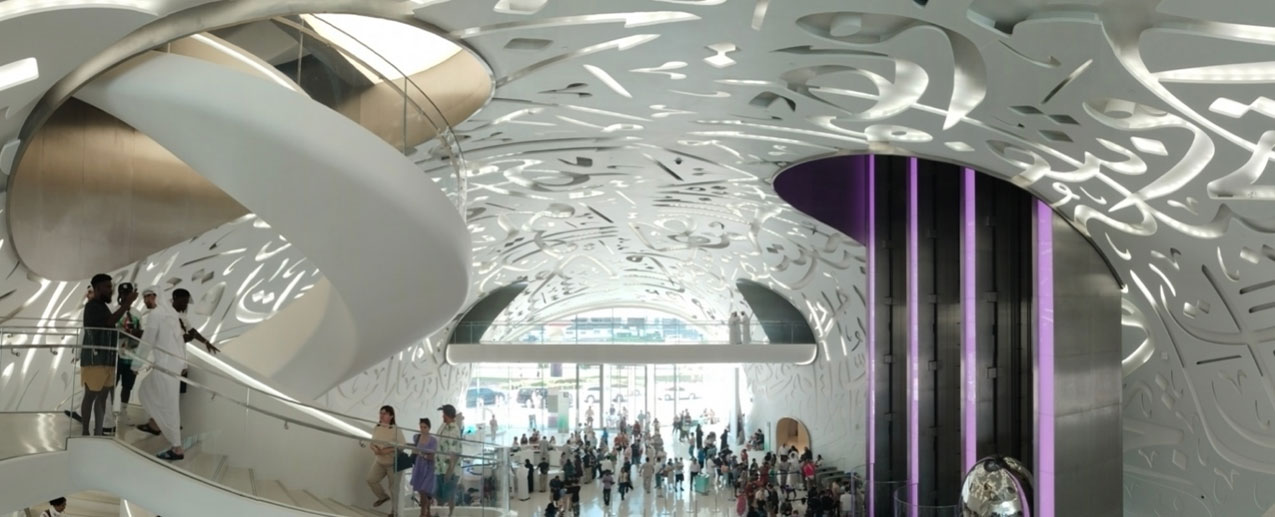
Figure 1. Museum of the Future in Dubai.
Boosting wellness
Research increasingly shows that surroundings influence mood, productivity, and emotional wellbeing. Designers now incorporate elements that support mental health: natural light, indoor plants, soothing colours, and uncluttered layouts. In India's fast-paced urban culture, such features can counter stress and fatigue. Offices are introducing quiet pods, greenery walls, and relaxation lounges to support employee wellness. Homes, too, are shifting toward calm palettes, meditation corners, and balconies filled with plants. This biophilic approach reconnects occupants with nature even within dense cities, creating spaces that feel restorative rather than overwhelming.
Remote and hybrid work have permanently changed spatial needs. Across India, professionals are converting spare rooms, alcoves, or even wardrobe niches into efficient workstations. Designers address lighting glare during video calls, ergonomic seating for long hours, soundproofing against street noise, and cable management for multiple devices. A well-designed home office can improve focus, posture, and productivity while maintaining harmony with the rest of the home's style. As flexible work becomes a lasting trend, demand for such tailored solutions will continue to grow.
AI as a design ally
Technology is accelerating the design process. Digital tools can generate layouts, produce realistic 3D visualisations, and analyse data on materials or costs within minutes. This allows designers to test multiple concepts quickly and present clients with immersive previews. However, technology complements rather than replaces human expertise. It cannot replicate empathy, cultural sensitivity, or on-site problem-solving – qualities especially vital in India's diverse contexts, where weather, traditions, and spatial habits vary widely. Successful designers will be those who combine technological efficiency with strong interpersonal and practical skills.
The way forward
The future of interior design belongs to adaptable professionals who embrace innovation while deepening their understanding of people. As India continues to urbanise and modernise, interiors will play a central role in shaping healthier, more sustainable, and more inclusive environments. Designers who stay curious, learn new tools, and listen closely to clients will not only keep pace with change but also will define it.